
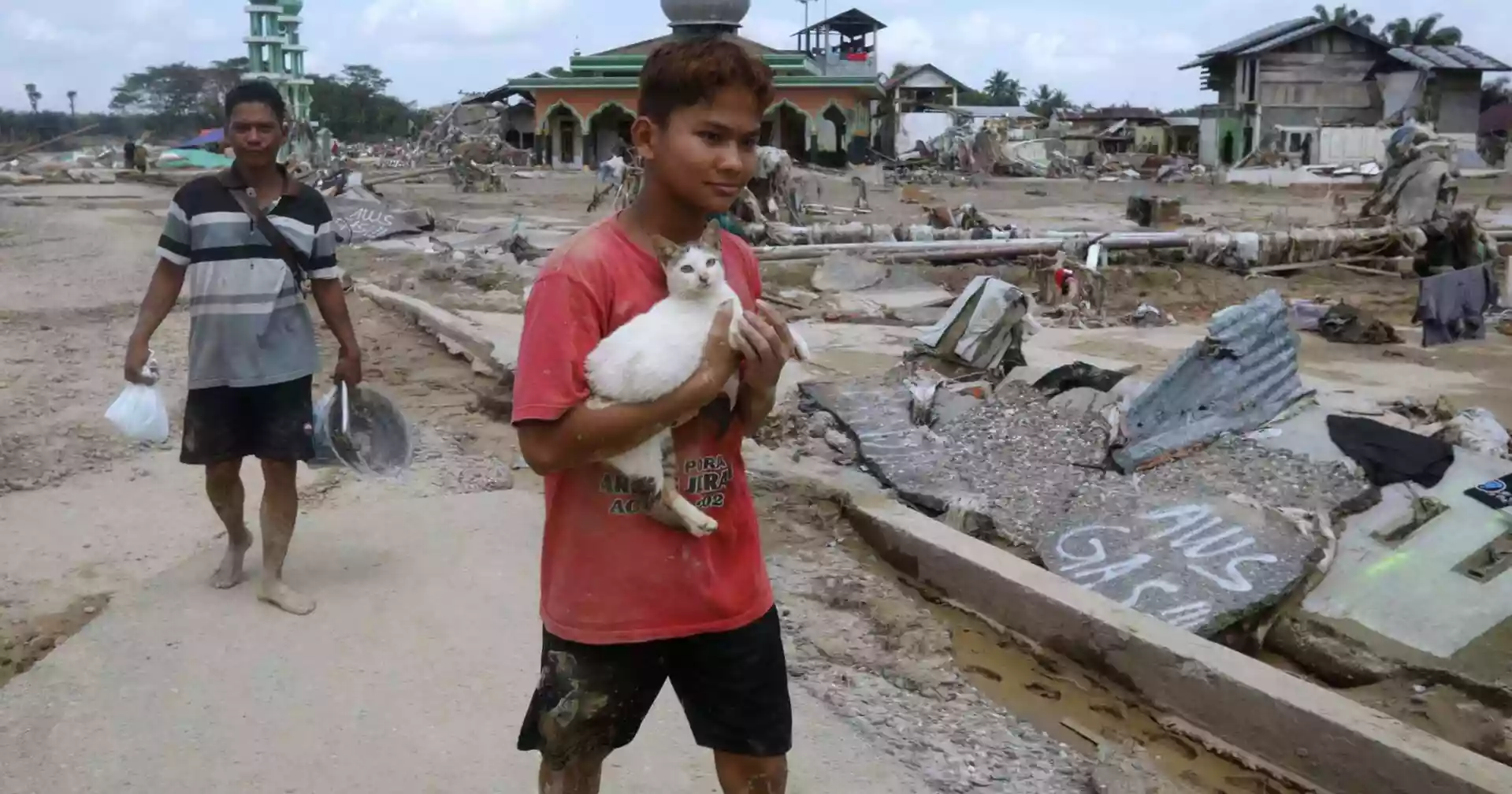
Emergency teams scrambled to reach survivors on Friday after devastating floods and landslides swept through parts of Asia last week, claiming more than 1,500 lives. Relief efforts are ongoing, but the sheer scale of the disaster has overwhelmed rescue operations.
Authorities reported 883 fatalities in Indonesia, 486 in Sri Lanka, 185 in Thailand, and three in Malaysia. Many villages in Indonesia and Sri Lanka remain buried under mud and debris, with nearly 900 people still missing across both countries. Thailand and Malaysia have seen more progress in recovery efforts.
As floodwaters recede, survivors face a crippling reality: roads that once connected communities have been destroyed, leaving some areas accessible only by helicopter. Landslides toppled transmission towers, plunging towns into darkness and cutting off internet service.
In Aceh Tamiang, the worst-hit area in Aceh province, entire villages lie buried beneath mud. More than 260,000 residents fled from farmland now devastated. For many, immediate access to clean water, sanitation, and shelter is critical for survival.
Relief trucks traveling from Medan in North Sumatra to Aceh Tamiang have struggled due to debris-blocked roads, according to Abdul Muhari, spokesperson for the National Disaster Management Agency. An AP photojournalist documented overturned cars, destroyed homes, and animal carcasses scattered amid the wreckage. Residents are reminded of the 2004 tsunami, which killed around 230,000 people globally, including 160,000 in Aceh.
Indonesians scramble for food and water after deadly floods; Sri Lanka reports 193 deaths
On a damaged bridge over the Tamiang River, families have taken shelter under makeshift tents. Survivor Ibrahim bin Usman described clinging to a warehouse roof with his family of 21 as floodwaters carrying logs swept away six family homes. “This wasn’t a flood—it was a tsunami from the hills. Many bodies are still buried under mud,” he said.
With wells contaminated and water supplies ruined, survivors like Mariana have resorted to drinking muddy floodwater. She and others sought refuge in a school building with no food or safe drinking water. Joko Sofyan, a local trader, said children were falling ill from drinking the same floodwater that destroyed their homes.
Amid scarce supplies, frustration is rising. Hadi Akher, a survivor, accused local authorities of corruption and blamed deforestation for intensifying the disaster, highlighting the desperate need for basic aid such as food, water, and household equipment.
Source: AP