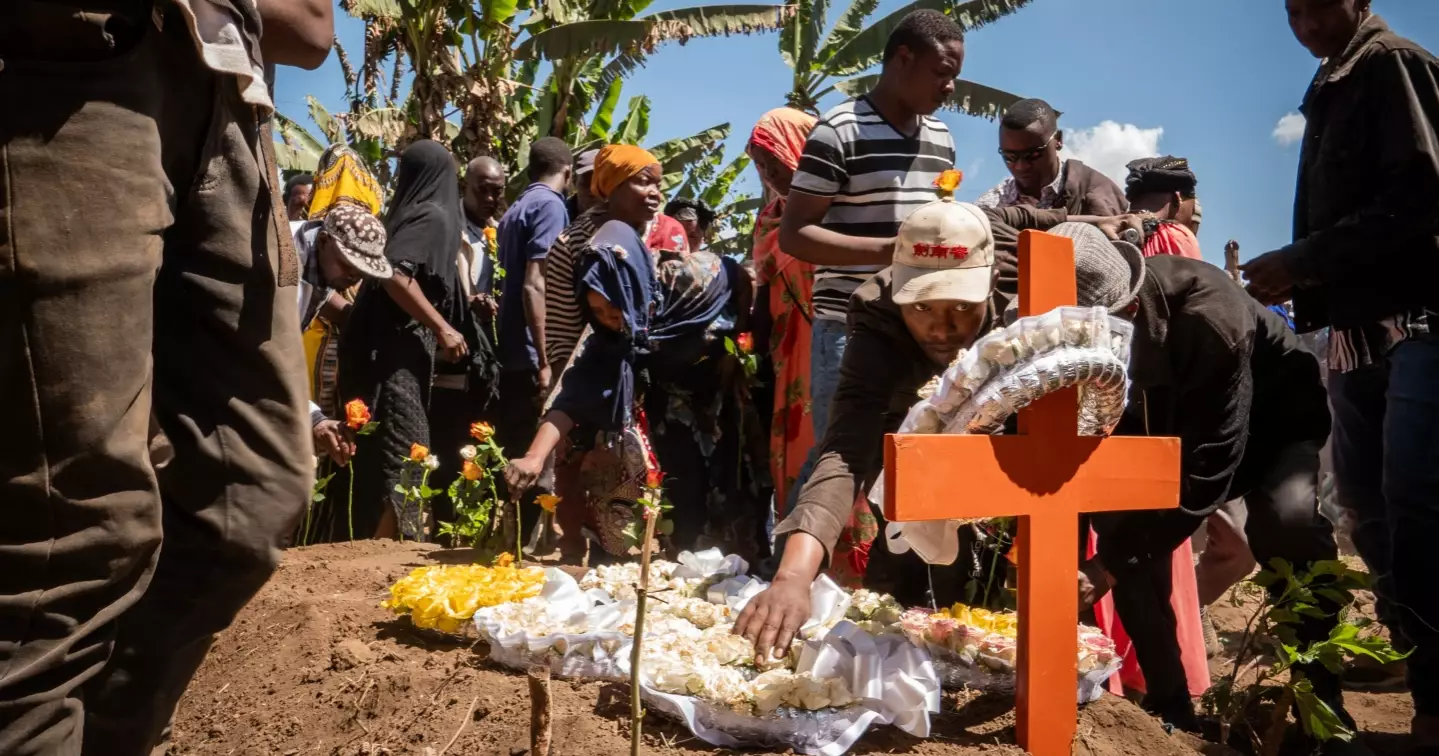
Tanzanian authorities have charged hundreds of people with treason over protests linked to last month’s disputed elections, marking a sharp escalation of political tensions in the East African nation, where violence has claimed an unknown number of lives.
According to court documents released Saturday, dozens of additional suspects were charged with treason across several regions, a day after similar charges were filed against scores of demonstrators in the commercial capital, Dar es Salaam.
Police have also issued arrest warrants for several senior opposition figures who remain at large, including Brenda Rupia, communications director for the main opposition Chadema party, and its secretary-general, John Mnyika.
Chadema leader Tundu Lissu, who has been in detention for several months, also faces treason charges after calling for electoral reforms ahead of the October 29 polls.
Questions over death toll in post-election violence
Authorities have come under growing scrutiny over the death toll from the government’s crackdown on protests and riots surrounding the vote. Chadema claims that more than 1,000 people were killed and accused security forces of secretly disposing of bodies to conceal the true scale of the bloodshed. The Catholic Church in Tanzania has also reported that hundreds were likely killed.
President Samia Suluhu Hassan, who assumed office in 2021 following the death of her predecessor, was declared the winner with over 97 percent of the vote, according to official results. Sixteen candidates from smaller parties were allowed to contest after key opposition figures, including Lissu and Luhaga Mpina of the ACT-Wazalendo party, were barred from running.
Rights groups allege widespread abuses
Rights organizations, including Amnesty International, have accused Tanzanian authorities of creating a repressive climate before the polls, citing enforced disappearances, arbitrary arrests, and extrajudicial killings. The government has dismissed the allegations.
Meanwhile, the African Union said in a statement this week that its observer mission found the election failed to meet AU standards and international obligations for democratic polls. Observers reported ballot stuffing, multiple ballot issuance, and a generally hostile environment that was “not conducive to peaceful conduct and acceptance of electoral outcomes.”
Concerns over growing authoritarianism
Since the introduction of multi-party politics in 1992, Tanzania has largely been governed by the ruling Chama Cha Mapinduzi (CCM) party, which traces its roots to the country’s independence movement and maintains close ties with China’s Communist Party.
Critics say that while past leaders tolerated limited opposition within the one-party-dominant framework, President Hassan has adopted an increasingly authoritarian approach that runs counter to the youth-led democracy movements emerging across Africa.
Hassan’s overwhelming victory in the disputed polls extended the CCM’s six-decade rule, deepening concerns over Tanzania’s democratic backsliding and political freedoms.
Source: AP