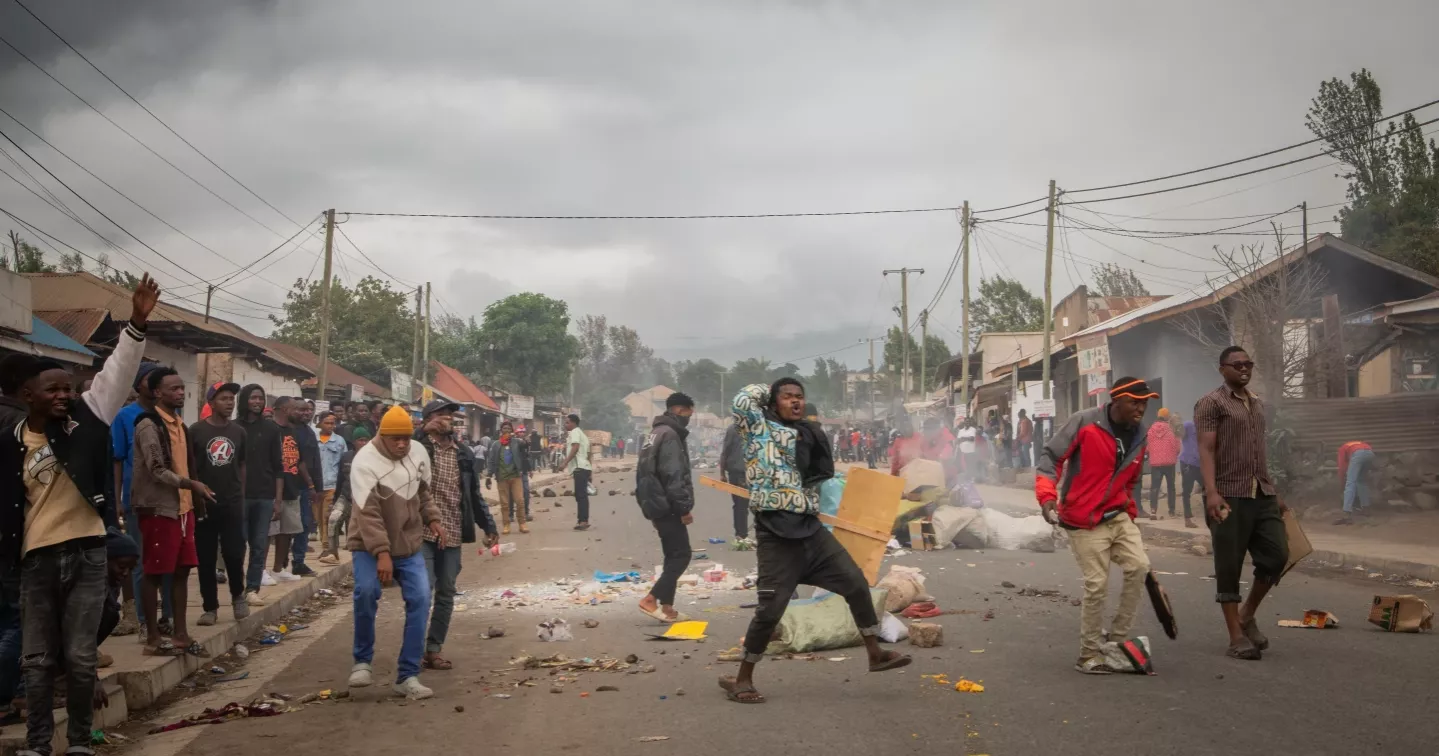
Authorities in Tanzania are facing mounting scrutiny over deadly crackdowns on post-election protests, with the country’s largest opposition party claiming that security forces have been secretly disposing of the bodies of hundreds killed during the unrest.
Protests erupted across Tanzania following the Oct. 29 elections, with mostly young demonstrators challenging a vote that foreign observers said failed to meet democratic standards due to the barring of key opposition candidates. Security forces responded with live ammunition and tear gas, and a nationwide curfew was imposed.
The main opposition party, Chadema, alleged that over 1,000 people were killed and claimed that authorities were attempting to conceal the scale of the deaths by secretly dumping bodies. The government has not responded to these allegations.
“Tanzanians’ hearts are bleeding right now. This is unprecedented for our country,” said Brenda Rupia, Chadema’s communications director, speaking from Dar es Salaam. She added that at least 400 deaths have been reported in the Tunduma area alone, with hundreds more in other regions.
President Samia Suluhu Hassan, Tanzania’s first female leader, was declared the winner with over 97% of the vote in a rare landslide, but the election has faced criticism for low turnout and the disqualification of main rivals, including Chadema’s Tundu Lissu and ACT-Wazalendo’s Luhaga Mpina. Lissu remains jailed on treason-related charges.
Human Rights Watch condemned the violent crackdown, calling on authorities to “end the use of excessive and lethal force” and ensure accountability. Reports from the UK, Norway, Canada, and the Catholic Church indicate that deaths may be in the hundreds, though exact figures remain unverified.
Tanganyika Law Society President Boniface Mwabukusi said more than 1,000 people may have died, adding that killings appeared targeted at politically active regions. Independent lawyer Tito Magoti reported sightings of army trucks transporting bodies from hospital mortuaries, suggesting a possible cover-up.
Hassan, inaugurated on Monday, acknowledged the loss of life and urged security agencies to restore normalcy. Authorities have warned citizens against sharing images and videos that could incite panic, following a six-day internet blackout. Public life is slowly resuming in Dar es Salaam and Dodoma, with businesses reopening and transport services returning to operation.
Source: AP