
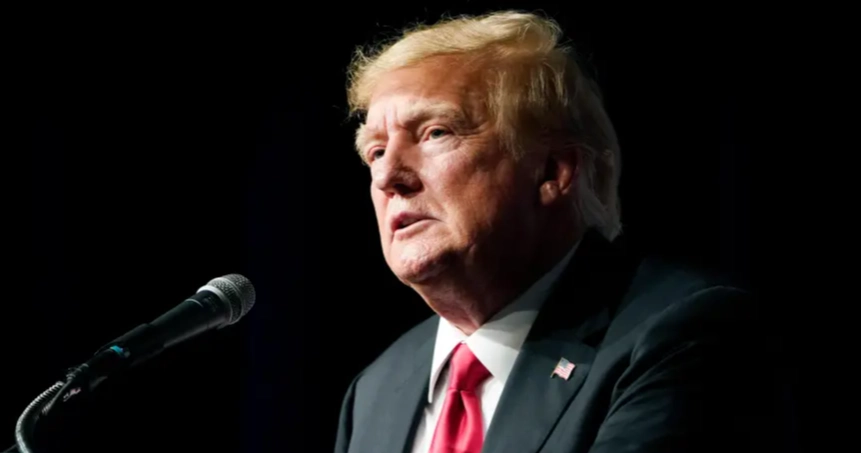
President Donald Trump on Wednesday signed a bill directing his administration to release all federal files related to convicted sex offender Jeffrey Epstein, ending months of pushback despite mounting pressure from within his own party.
Trump had long resisted calls to make the files public, even though he could have ordered their release earlier. Announcing his decision on social media, he accused Democrats of using the Epstein issue “to distract” from Republican achievements.
Under the new law, the Justice Department must disclose all documents and communications tied to Epstein — including details surrounding his 2019 death in federal custody — within 30 days. Redactions will only be allowed to protect victims or avoid compromising ongoing federal investigations. The department cannot withhold information over concerns of “embarrassment” or “political sensitivity.”
The legislation’s passage marks a dramatic shift. What began as a fringe push by an unusual coalition of Democrats, a Trump critic and a small group of former Trump allies steadily gained traction. As recently as last week, the administration tried to dissuade one supporter of the bill, Republican Rep. Lauren Boebert, by calling her to the Situation Room. She held firm.
Facing overwhelming bipartisan support in Congress, Trump reversed course over the weekend, saying the controversy had become a distraction from the GOP agenda.
“I just don’t want Republicans to take their eyes off all of the victories that we’ve had,” he posted on Tuesday.
The House overwhelmingly approved the bill 427-1, with only Rep. Clay Higgins of Louisiana voting against it. He argued the measure risked exposing information about individuals not accused of wrongdoing. The Senate later passed the measure unanimously by skipping a formal vote.
Trump had been socially acquainted with Epstein years earlier, but has long insisted he knew nothing of Epstein’s criminal activities and cut ties with him before his arrest.
During Trump’s first term, several of his allies promoted conspiracy theories claiming federal authorities were hiding key information about Epstein’s death and potential connections to powerful individuals.