Ukrainian drones struck one of Russia’s largest oil refineries overnight, sparking a fire at the facility in the Leningrad region, officials from both countries confirmed Sunday.
The attack targeted the Kirishi refinery, operated by energy giant Surgutneftegas, which processes nearly 17.7 million metric tons of crude annually (about 355,000 barrels per day), making it one of Russia’s top three refineries by output. The strike follows weeks of Ukrainian drone assaults on Russian energy infrastructure that Kyiv says fuels Moscow’s war effort.
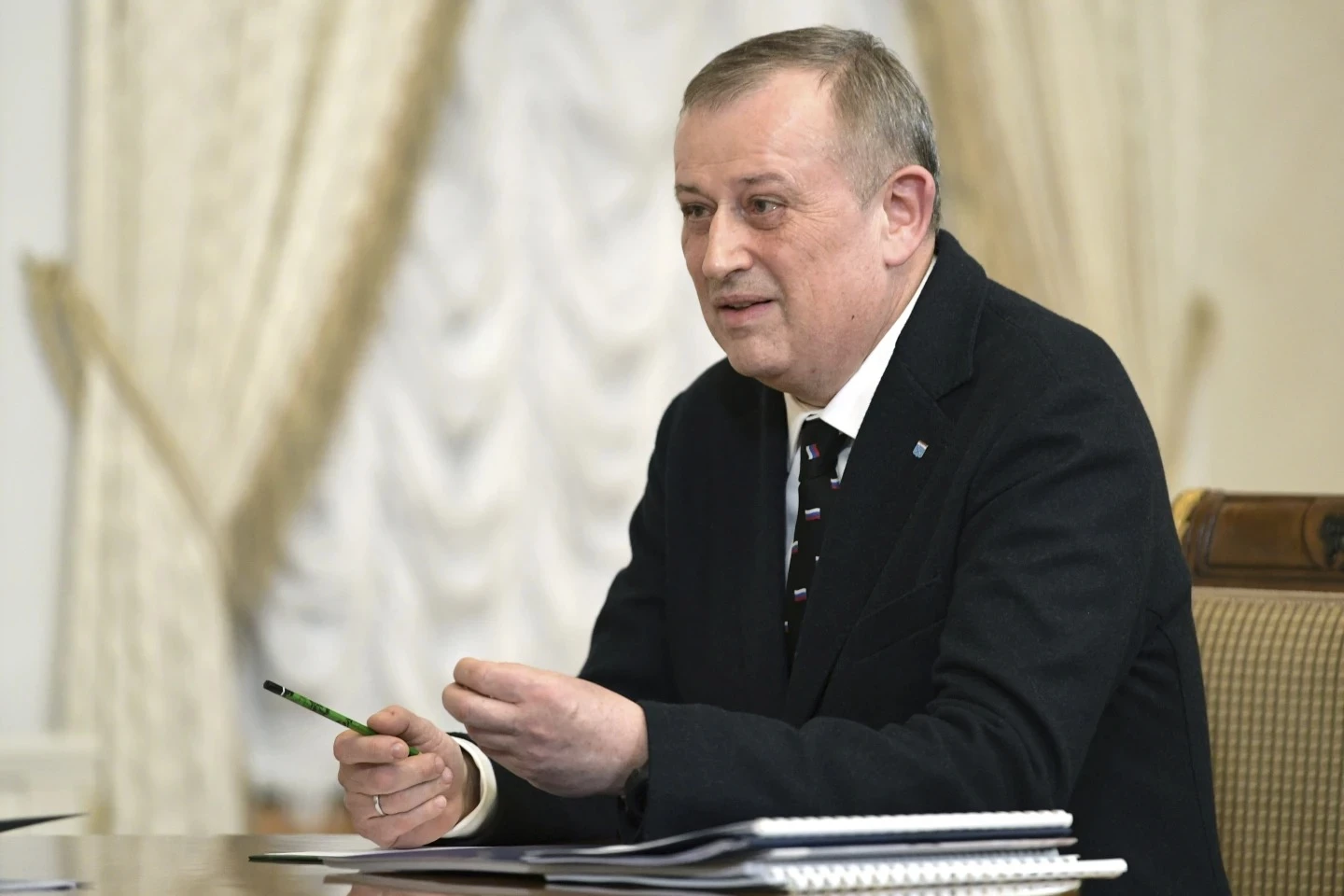
Ukraine’s General Staff reported explosions and a fire at the site, posting an image showing flames and smoke against the night sky. Regional Governor Alexander Drozdenko said three drones were shot down in the Kirishi area, with falling debris igniting the blaze. He confirmed no casualties and said the fire had been extinguished.
Russia’s Defense Ministry said its forces intercepted at least 80 Ukrainian drones overnight across Russia, Crimea and the Sea of Azov. The same refinery was previously targeted in March, sustaining minor damage.
The strikes come amid growing gasoline shortages in Russia, worsened by sustained Ukrainian attacks and a seasonal rise in demand. Fuel stations in several regions have run dry, forcing rationing and sales restrictions. To curb the crisis, Moscow has temporarily banned gasoline exports, with a full suspension until Sept. 30 and partial restrictions through Oct. 31.
Meanwhile, in the Leningrad region, a diesel locomotive derailed near Gatchina, south of St. Petersburg, killing its driver, who later succumbed to his injuries in hospital. Authorities are investigating possible sabotage.
In a separate incident, three people were killed by a bomb planted along railway tracks in the Oryol region, around 200 kilometers from the Ukrainian border. Governor Andrey Klychkov said one victim was a member of Russia’s National Guard.
As Russians voted in local elections Sunday, the Central Election Commission reported facing a massive wave of cyberattacks, calling it “unprecedented.” Although its website was offline for much of the day, officials assured that voting across 21 regions to elect governors and assembly members was not affected. Almost 100 denial-of-service attacks were recorded on election-related platforms, Russia’s media watchdog Roskomnadzor said.
Despite the disruption, President Vladimir Putin’s United Russia party was widely expected to maintain its dominance, with political opposition largely suppressed since Moscow’s full-scale invasion of Ukraine began in February 2022.