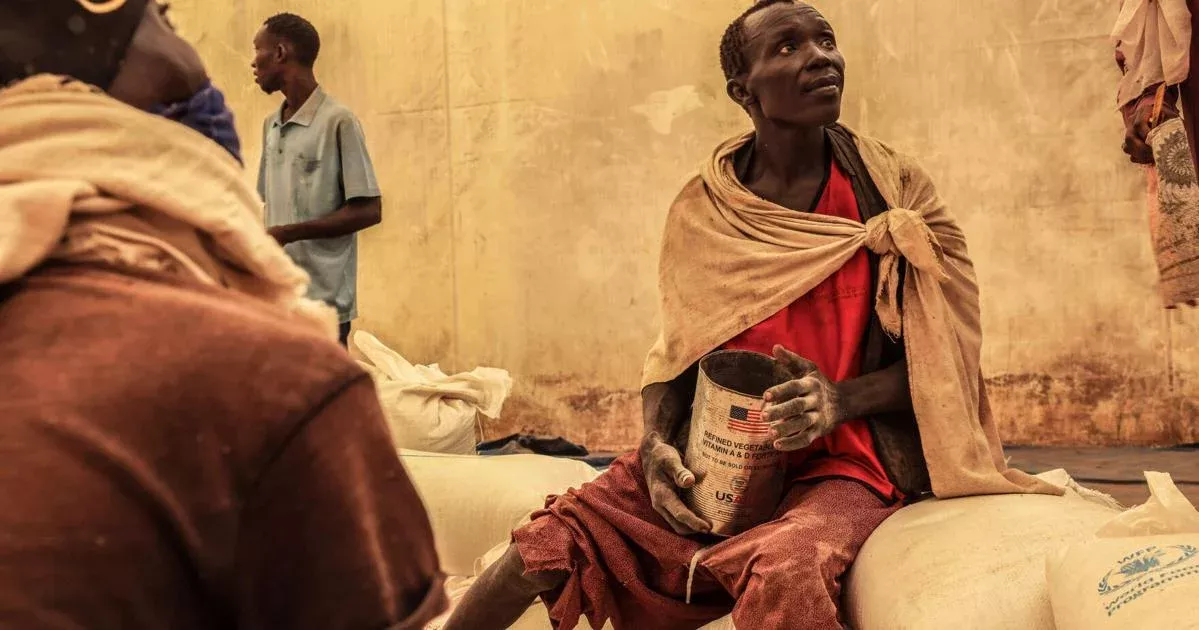
The United Nations’ food aid agency has warned that severe funding cuts from its major donors are disrupting operations in six countries and could push nearly 14 million people into emergency hunger.
The World Food Program (WFP), usually the U.N.’s most-funded agency, said in a new report that its funding this year “has never been more challenged,” mainly due to reduced contributions from the U.S. under the Trump administration and other leading Western donors.
The agency said 13.7 million of its food aid recipients could face emergency-level hunger as funding drops. The countries most affected are Afghanistan, Congo, Haiti, Somalia, South Sudan, and Sudan. “We are watching the lifeline for millions of people disintegrate before our eyes,” WFP Executive Director Cindy McCain said.
WFP expects 40% less funding this year, cutting its projected budget to $6.4 billion from about $10 billion last year. “This is not just a funding gap – it’s a reality gap between what we need to do and what we can afford,” McCain added, warning that decades of progress in fighting hunger are at risk.
Global hunger is already at record levels, with 319 million people facing acute food insecurity, including 44 million at emergency levels. Famine has emerged in Gaza and Sudan, and in Afghanistan, aid reaches less than 10% of those in need.
The agency received roughly $1.5 billion from the U.S. this year, down from nearly $4.5 billion last year, while other top donors have also reduced support. Many U.N. agencies, including those focused on migration, health, and refugees, have announced significant aid and staffing cuts amid reduced funding from traditional donors such as USAID.