The U.N. Security Council on Friday rejected a last-ditch attempt by Russia and China to block the reimposition of sanctions on Iran over its nuclear program, setting the stage for punitive measures to take effect this weekend.
The move came a day before the deadline for the so-called “snapback” mechanism outlined in Iran’s 2015 nuclear deal with world powers. Britain, France and Germany triggered the process last month after accusing Tehran of failing to comply with the accord.
The Russia-China resolution, which sought to give Iran more time to negotiate, fell short of the nine votes required for adoption. The final tally was 4-9, with two abstentions.
“We had hoped that European colleagues and the U.S. would opt for diplomacy instead of clumsy blackmail, which only escalates tensions,” Russian Deputy Ambassador Dmitry Polyanskiy told the council.
The sanctions, expected to be reinstated Saturday, will freeze Iranian assets abroad, halt arms sales to Tehran, and restrict development of its ballistic missile program, further straining the country’s struggling economy.
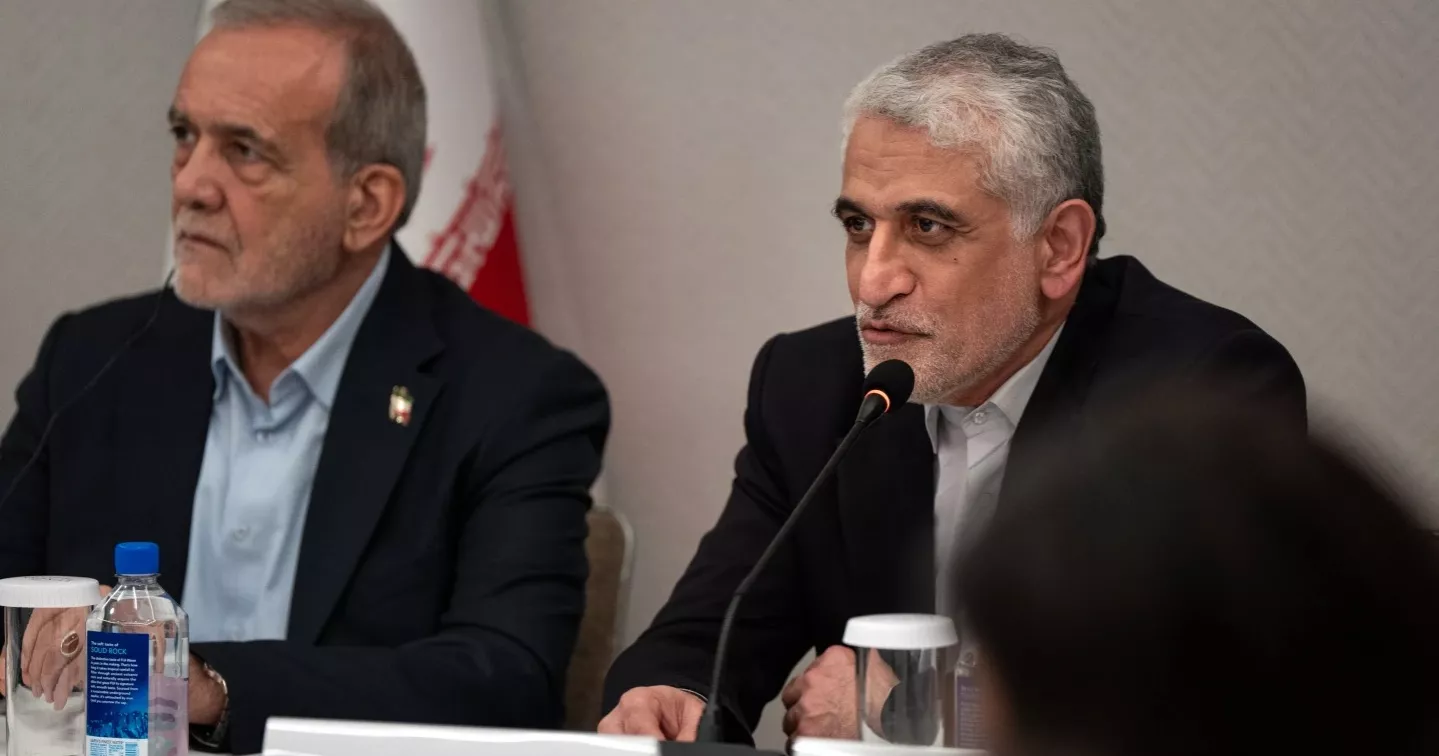
Iranian President Masoud Pezeshkian, speaking to journalists on the sidelines of the U.N. General Assembly, denounced the move as “unfair, unjust and illegal.” Still, he ruled out withdrawing from the Nuclear Nonproliferation Treaty, saying Iran would not follow the path of North Korea, which abandoned the pact in 2003 before developing nuclear weapons.
Iran’s allies China, Russia, Pakistan and Algeria voted in favor of delaying sanctions. But Western powers argued that weeks of negotiations had failed to yield any progress. “This sordid mess did not come about overnight,” Iranian Foreign Minister Abbas Araghchi said after the vote. “The U.S. betrayed diplomacy, but the E3 have buried it.”
European diplomats said Tehran ignored opportunities for compromise during six weeks of talks leading up to the General Assembly. One diplomat told AP earlier this week the discussions produced “no new developments, no new results.”
President Pezeshkian, however, accused the U.S. of undermining talks. “One night this week, the Americans were supposed to meet with us and the Europeans, but they never showed up,” he said. He added that U.S. negotiators often backtracked on previously agreed issues, further deepening distrust.
Iran’s supreme leader Ayatollah Ali Khamenei had already cast doubt on prospects for compromise, declaring earlier this month that negotiations with Washington are “a sheer dead end.”
European leaders have said they were ready to extend the deadline if Tehran met certain conditions, including direct talks with the U.S., full access for U.N. nuclear inspectors, and disclosure of more than 400 kilograms of highly enriched uranium reported by the IAEA.
Iran enriches uranium up to 60% — just a short step from weapons-grade levels — making it the only non-nuclear weapons state doing so.
The International Atomic Energy Agency confirmed on Friday that its inspectors remain in Iran, monitoring facilities and conducting inspections. Earlier this month, Iran and the IAEA signed an agreement, mediated by Egypt, to resume cooperation. But Tehran has warned it will end that arrangement if sanctions are reimposed.
Despite ongoing inspections, European diplomats said Iran’s limited cooperation falls short of the measures needed to prevent sanctions from being reinstated on Saturday.