Yemen’s Houthi rebels, backed by Iran, have detained nine more United Nations employees in what the UN described as part of an ongoing campaign against its operations in rebel-controlled areas.
The latest detentions bring the total number of UN staff held by the Houthis to 53 since 2021, UN spokesperson Stéphane Dujarric said in a statement late Monday. He provided no details on when or under what circumstances the latest arrests occurred, and Houthi officials did not respond to requests for comment.
The Houthis have previously justified their actions by claiming that detained staff were linked to an alleged espionage network.
Dujarric said the crackdown has severely hampered “the UN’s ability to operate in Yemen and deliver critical assistance” to millions in the conflict-torn country, calling for the “immediate and unconditional release” of all detained UN personnel, as well as staff from other international and diplomatic organizations.
“They must be respected and protected in accordance with international law,” he said.
In Geneva, Alessandra Vellucci, chief spokesperson for the UN, confirmed that all the detained staff are Yemeni nationals. She said the arrests have disrupted humanitarian work in Houthi-held areas, including those managed by UNICEF and the World Food Programme.
“The majority of our Yemen staff are Yemenis — this is their home,” Vellucci said. “Their mission is to support their fellow citizens and save lives. They should never face punishment or fear for doing that.”
The UN said the Houthis previously raided its offices in Sanaa in August, detaining 19 employees, including UNICEF’s deputy country director Lana Shukri Kataw, who was later released.
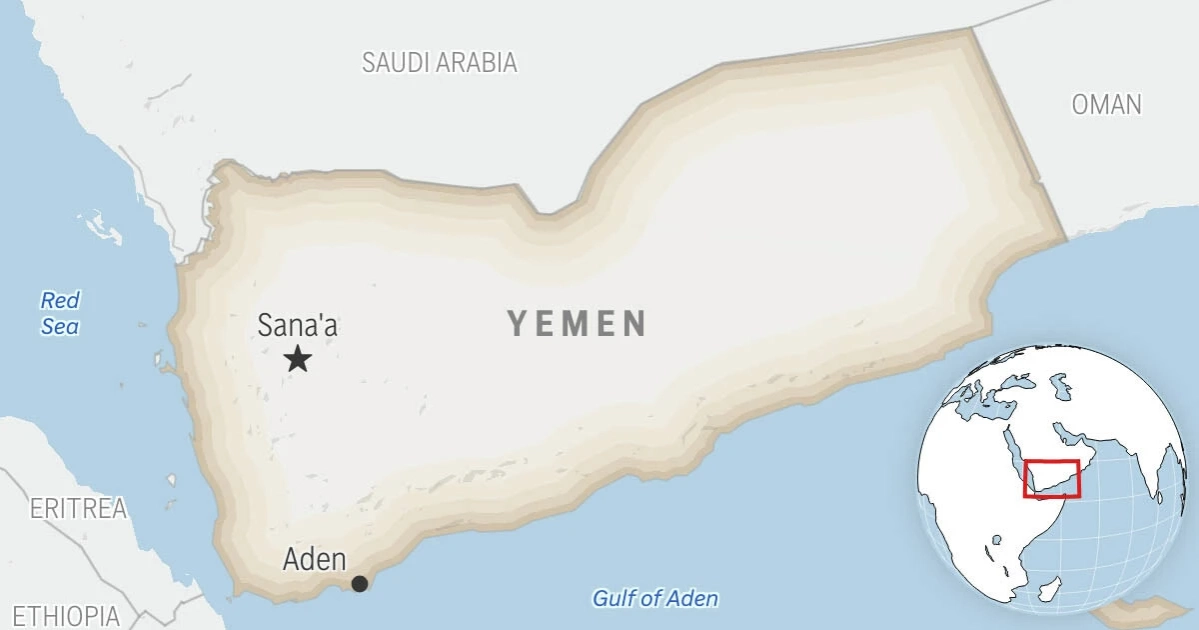
The crackdown has prompted the UN to suspend its operations in Saada, a key Houthi stronghold in northern Yemen, following the detention of eight staff members there in January. The UN has also relocated its top humanitarian coordinator from Sanaa to Aden, the temporary seat of the internationally recognized government.
Yemen’s conflict began in 2014 when the Houthis seized Sanaa and much of northern Yemen, forcing the internationally recognized government into exile. A Saudi-led coalition intervened in 2015 to restore the government, but the war has since settled into a stalemate.
In recent years, the Houthis have reached an understanding with Saudi Arabia to halt cross-border attacks in exchange for a pause in Saudi-led airstrikes. However, the group remains militarily active, exchanging attacks with Israel over the Gaza conflict and targeting ships in the Red Sea allegedly linked to Israel — prompting Israeli retaliatory airstrikes.