UNESCO has designated 26 new biosphere reserves across 21 countries, expanding the global network to 785 sites in 142 countries at a time of mounting threats from climate change and biodiversity loss.
The new reserves, announced Saturday in Hangzhou, China, include some of the planet’s most diverse and fragile ecosystems. Unlike strictly protected nature parks, biosphere reserves also encompass inhabited areas where scientists, residents, and governments work together to balance conservation, research and economic activity.
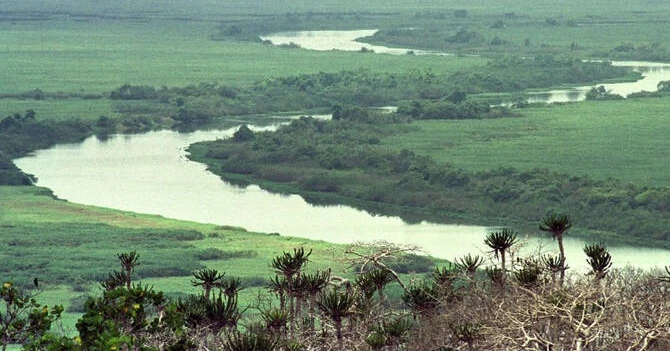
Among the latest designations is Indonesia’s Raja Ampat archipelago, home to three-fourths of the world’s coral species along with rainforests and endangered sea turtles. Iceland’s Snæfellsnes Biosphere Reserve includes volcanic peaks, lava fields, wetlands, and more than 70% of the nation’s plant species, while Angola’s Quiçama reserve stretches 206 kilometers along the Atlantic coast, providing habitat for elephants, manatees, sea turtles and over 200 bird species.
António Abreu, head of UNESCO’s biosphere program, said biodiversity protection must go hand-in-hand with community needs, noting that local residents have even helped identify new species. In the Philippines, for example, damaged coral reefs were restored through aquaculture initiatives, while in São Tomé and Príncipe, mangrove restoration has protected coastlines and boosted ecotourism.
UNESCO says more than 60% of reserves worldwide are already affected by extreme weather linked to climate change, including heatwaves, drought and rising seas. The agency is using satellite monitoring and digitizing historical data to guide management.
However, many sites also face human pressures. In Nigeria’s Omo Forest Reserve, habitat loss threatens critically endangered African forest elephants as cocoa farming expands.
The U.S., which has 47 biosphere reserves, has announced it will withdraw from UNESCO again in December 2026, following a decision by President Donald Trump’s administration.