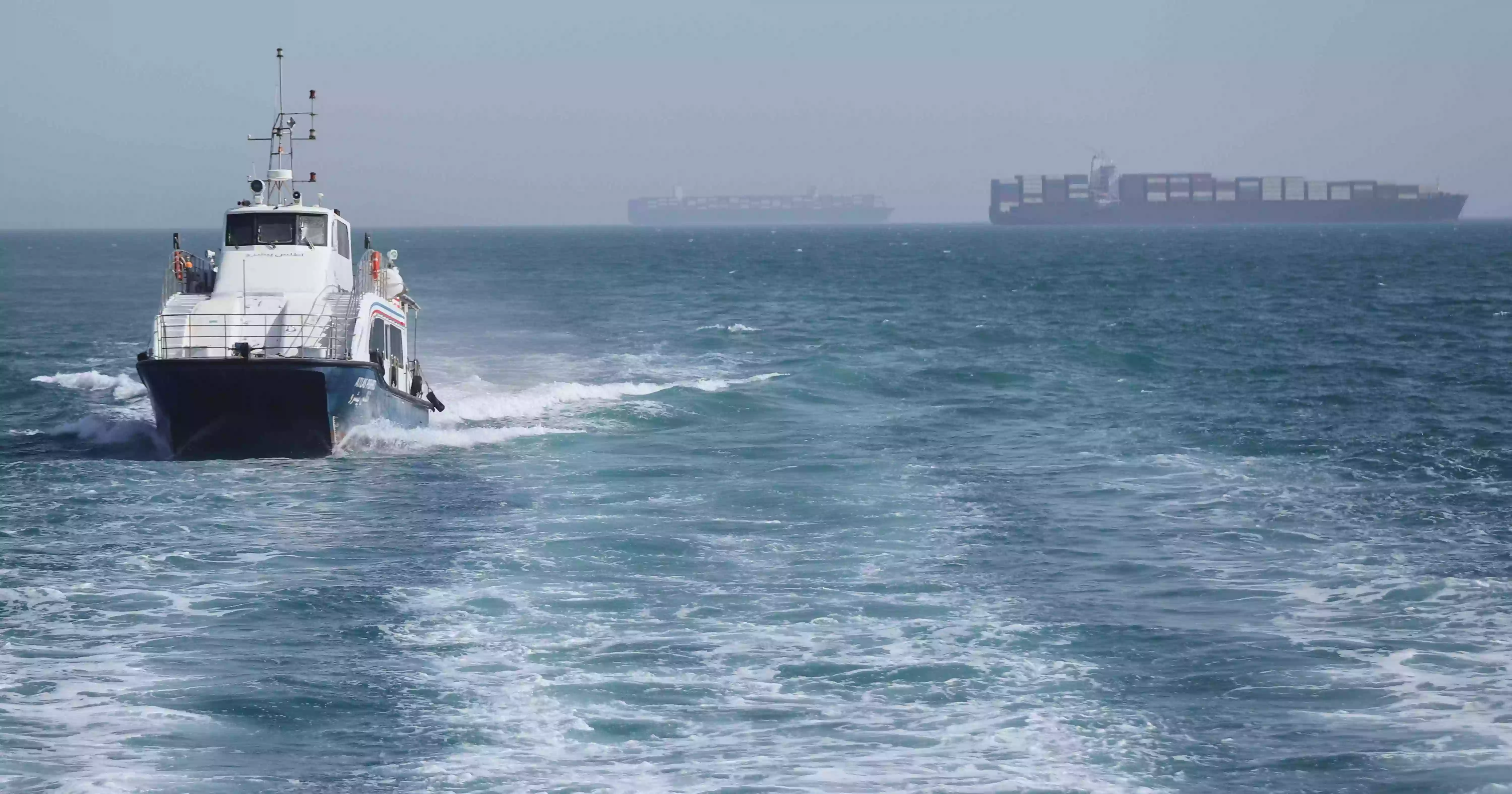
The United States said its forces engaged Iranian units and sank six small boats targeting civilian shipping as it sought to reopen the Strait of Hormuz on Monday, while the United Arab Emirates reported coming under attack for the first time since a ceasefire took effect in early April.
The US military said two American-flagged merchant vessels successfully transited the strait under a new initiative to restore safe passage through the key waterway.
The UAE Defence Ministry said its air defences intercepted 15 missiles and four drones launched from Iran. Authorities in Fujairah reported that one drone ignited a fire at a major oil facility, injuring three Indian nationals. The British military also reported two cargo ships ablaze off the UAE coast.
Iran did not clearly confirm or deny the attacks. Early Tuesday, Iranian Foreign Minister Abbas Araghchi warned on social media that both the US and the UAE should avoid being drawn back into a wider conflict. Earlier, Iranian state television quoted an unnamed official as saying Tehran had “no plan” to target the UAE or its oil facilities, blaming the incident on what it described as US military actions aimed at forcing an “illegal passage” through the strait.
The Strait of Hormuz, a vital route for global energy supplies, has been effectively restricted by Iran since late February, pushing up global fuel prices and heightening economic concerns. The US-led Joint Maritime Information Center said ships were being advised to use routes through Omani waters under enhanced security arrangements.
US Central Command chief Adm. Brad Cooper said American forces had cleared a safe corridor free of Iranian mines and repelled multiple threats, including cruise missiles, drones and small boat attacks on vessels under US protection.
President Donald Trump said efforts to block the strait would be met with force if necessary, describing the US initiative, dubbed “Project Freedom,” as aimed at assisting stranded commercial vessels in the Gulf.
The UAE condemned what it termed “renewed treacherous Iranian aggression” and called for an immediate halt to attacks. Residents received multiple missile alerts on Monday — the first since the ceasefire began — while several inbound commercial flights to the UAE were diverted midair.
In neighbouring Oman, authorities reported that a residential building near the strait was struck, injuring two foreign workers and damaging vehicles.
Iran has warned that all vessels transiting the strait must coordinate with its forces, cautioning that any foreign military presence, particularly that of the US, could be targeted.
Meanwhile, South Korea said a fire aboard a South Korean-operated vessel in the strait had been extinguished with no casualties among the 24 crew members. Earlier reports said the Panama-flagged ship experienced an explosion and engine fire while anchored near the UAE.
The UAE also accused Iran of targeting an oil tanker linked to its national energy company with drones, though no injuries were reported.
The ongoing disruption has strained energy-dependent economies in Europe and Asia, driving up oil and gas prices. The US has warned shipping companies against paying transit fees to Iran and has enforced a naval blockade on Iranian ports since mid-April, turning back dozens of commercial vessels.
US officials hope the pressure will push Tehran to make concessions in negotiations over its nuclear programme and other disputes. However, little progress has been reported.
Iran’s latest proposal calls for lifting US sanctions, ending the naval blockade, withdrawing foreign forces from the region and halting all hostilities, including Israeli operations in Lebanon. Iranian officials say the proposal does not address nuclear issues and aims to resolve other disputes within 30 days, rather than extend the current ceasefire.
Trump has expressed doubts that the proposal will lead to a breakthrough.