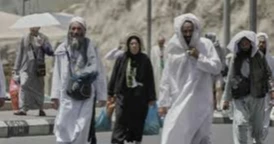
Muslims from across the globe are gathering in Mecca for Hajj, one of Islam’s Five Pillars. Over the coming days, pilgrims will take part in centuries-old religious rites. But this year, they also face modern-day challenges, including sweltering heat, age restrictions, and tighter regulations on entry.
Coping with Intense Heat
Last year, extreme temperatures reaching 47°C (117°F) led to over 1,300 deaths. In 2025, temperatures in Mecca are already around 41°C (106°F). Saudi officials are urging pilgrims to limit sun exposure, wear light-colored clothes, and use umbrellas. Pilgrims are also being educated on recognizing dehydration and heat exhaustion. Despite billions spent on safety and cooling measures, the desert heat and massive crowds remain a significant risk.
Children Under 12 Not Allowed
In a major shift, children under 12 are now banned from attending the Hajj. Saudi authorities introduced the policy to protect children from potential harm amid large crowds and extreme heat. While Islamic teachings do not require children to perform Hajj or other obligations until puberty, some parents still wish to bring them for the experience. Many, like Talha Ayub from Pakistan, are choosing to leave their children at home for a safer and more manageable pilgrimage.
18 teams assigned to serve Bangladeshi hajj pilgrims in Mina
Making Hajj More Affordable
The cost of Hajj varies widely—from $4,000 to $20,000—depending on the level of service and travel origin. Rising costs have made it harder for many Muslims to attend, particularly from developing countries. Some governments, like Pakistan’s, have introduced flexible payment plans to help more people afford the journey. Saudi Arabia has also implemented staggered payment options for local pilgrims, requiring installments over several months.
Managing Demand and Preventing Unauthorized Entry
Due to capacity limits and high demand, waitlists in countries like Indonesia stretch over decades. Some nations have banned repeat pilgrims to give others a chance, including India, which blocks those who have already gone through official channels—except in specific cases such as assisting elderly relatives.
To combat unauthorized pilgrimages, Saudi Arabia recently stopped issuing short-term visas for 14 countries and warned of heavy fines—up to 20,000 riyals (about $5,330)—for anyone caught entering Mecca without the proper Hajj visa. Many of the deaths during last year’s pilgrimage were among unregistered pilgrims who lacked access to official services, including cooling and medical care.