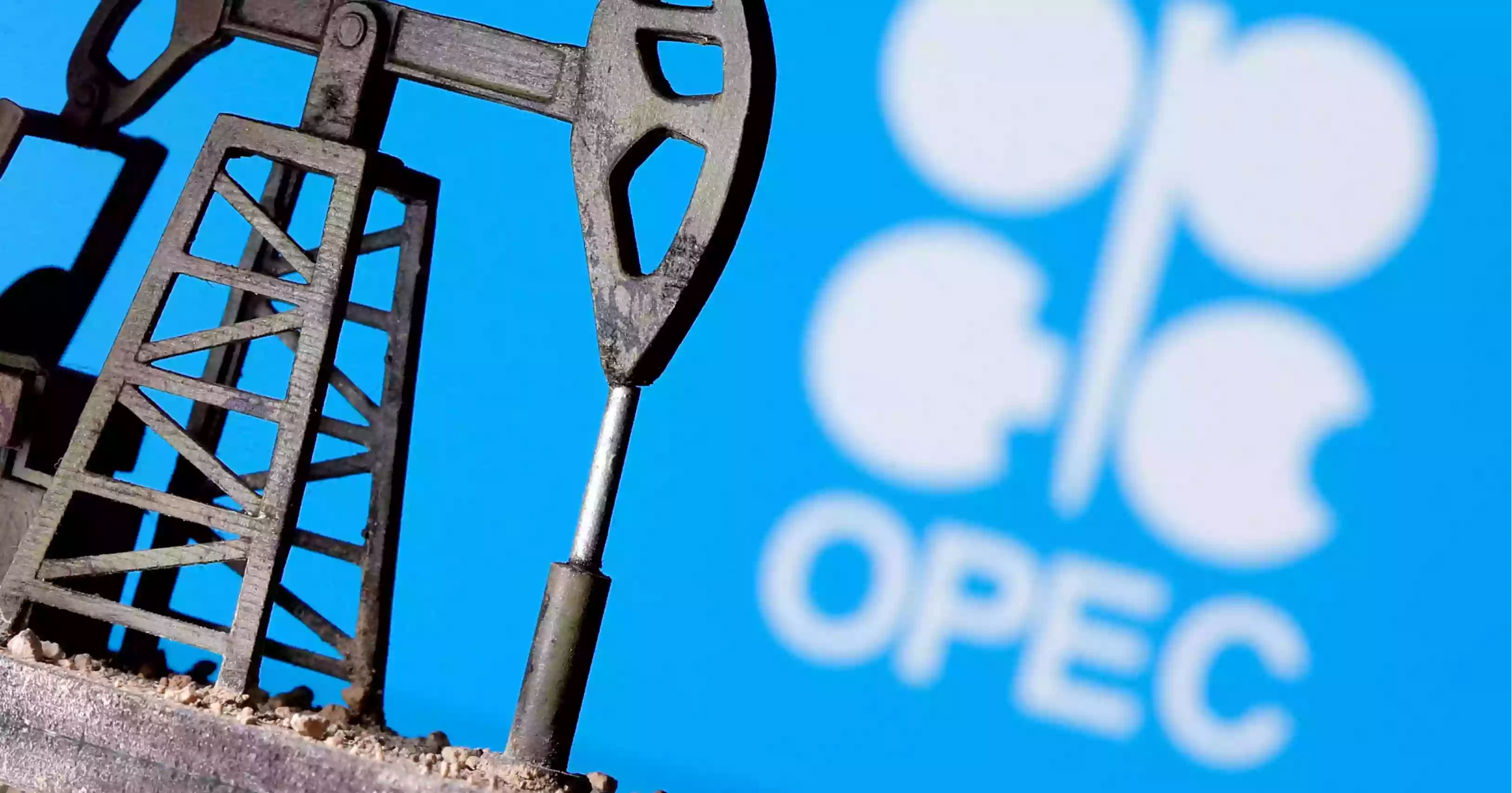
The United Arab Emirates’ decision to quit OPEC and the broader OPEC+ alliance, effective May 1, marks a significant shift in global energy politics. Here’s what’s behind the move and why it matters:
Why is the UAE leaving?
The UAE said its decision followed a review of its energy strategy, focusing on national interests and future production capacity.
Analysts say the real driver is flexibility. OPEC quotas had capped the UAE’s oil output at about 3.2 million barrels per day, despite its capacity nearing 5 million. By leaving, Abu Dhabi can boost production and better respond to market demand.
The move also comes amid disruptions in the Strait of Hormuz, pushing the UAE to rely more on export routes like Fujairah that are less exposed to regional tensions.
Long-standing disagreements
The exit reflects deeper tensions within OPEC, particularly with Saudi Arabia over production quotas.
Energy experts say these disagreements have evolved from routine disputes into structural conflicts. The UAE has long sought greater autonomy over its oil policy, especially as it aims to expand output and maximize revenue.
At the same time, the country is trying to accelerate economic diversification before global demand for fossil fuels declines.
What impact could it have?
The UAE’s departure could weaken OPEC’s influence over global oil supply, reducing its share from about 30% to roughly 26%.
It may also increase market volatility. With one of the group’s key producers stepping away, coordination on output levels could become more difficult.
The move comes amid ongoing geopolitical tensions involving Iran and broader regional instability, further complicating supply dynamics.
Experts say the decision signals a broader shift: the era of tightly coordinated Gulf oil policy may be fading, with countries prioritising national strategies over collective action.
Bottom line
The UAE’s exit is less about a sudden break and more about long-building pressure—balancing production ambitions, regional tensions, and long-term economic transformation. Its ripple effects could reshape how global oil markets are managed in the years ahead.