retaliation
Iran warns of swift retaliation as tensions rise with US
Iran has warned it would respond immediately and forcefully to any attack by the United States, as tensions escalated following fresh warnings from US President Donald Trump over Tehran’s nuclear programme and the European Union’s decision to designate Iran’s Islamic Revolutionary Guard Corps as a terrorist organisation.
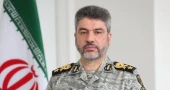
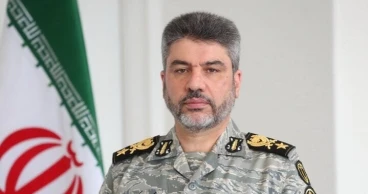
Iranian military spokesman Brigadier General Mohammad Akraminia said US military assets in the region, including aircraft carriers in the Gulf, are within the range of Iran’s medium-range missiles and have what he described as serious vulnerabilities. He said any hostile action would prompt an instant response.
The warning came after President Trump said time was running out for Iran to reach a nuclear agreement with Washington. The EU’s move to blacklist the IRGC further added to pressure on Tehran, drawing strong criticism from Iranian officials.
Ali Shamkhani, a senior security official and representative of Supreme Leader Ayatollah Ali Khamenei, said Iran would take immediate countermeasures in response to the EU decision. In a social media post, he accused Western countries of applying double standards by supporting Israel’s war in Gaza while labelling the IRGC’s actions against extremist groups as terrorism.
Meanwhile, regional diplomacy intensified amid fears of a wider conflict. Turkish President Recep Tayyip Erdogan said Turkiye was ready to help de-escalate tensions between Iran and the US, holding a phone call with Iranian President Masoud Pezeshkian and offering to play a facilitating role.
Iran’s Foreign Minister Abbas Araghchi arrived in Istanbul on Friday for talks with Turkish leaders, focusing on bilateral relations and growing regional and international challenges. He criticised the EU’s decision on the IRGC, calling it a strategic mistake.
Oil markets reacted to the rising tensions, with prices easing after recent gains as investors reassessed the likelihood of imminent military action. Analysts said any potential conflict was likely to be limited, reducing fears of major supply disruptions.
Iran has also reported arrests linked to recent antigovernment protests in southern Tehran, as authorities continue a crackdown that began late last year.
Despite diplomatic contacts, analysts say Washington and Tehran remain far apart on key issues, including Iran’s nuclear activities and missile programme, raising concerns that the standoff could further intensify.
With inputs from ALJAZEERA
5 months ago

People should be free in every country to promote HR without fear of retaliation: US Embassy
Reiterating that no democracy is perfect, the United States has said the rule of law, free and fair elections, freedom of expression, and freedom of the press are cornerstones of a healthy democracy and the right of all.
People should be free in every country to promote human rights without fear of retaliation, said the US Embassy in Dhaka on Saturday in a media note.
Whether heading to the polls to vote, exposing corruption, documenting human rights abuses, or peacefully rallying around a common cause, people and non-governmental organizations everywhere bring to life and defend the basic tenets of democracy every day, reads the media note.
It is this conviction about the critical role of citizens and a pluralistic civil society that is the impetus behind the UN Declaration on Human Rights Defenders, said the Embassy.
READ: US Embassy announces resumption of Fulbright Program
Adopted by consensus of the General Assembly in 1998, the Declaration states that “everyone has the right, individually and in association with others, to promote and strive for the protection and realization of human rights and fundamental freedoms at the national and international levels.”
As US President Joe Biden has stated, “No democracy is perfect, and no democracy is ever final. Every gain made, every barrier broken, is the result of determined, unceasing work.”
4 years ago