Energy cooperation
Bangladesh, Türkiye explore enhanced energy cooperation
Bangladesh and Türkiye have discussed ways to expand bilateral cooperation in the energy sector, with a focus on solar energy, exploration and development of mineral resources, LNG transportation and related infrastructure, and pipeline connectivity between Bangladesh’s offshore and island facilities and the mainland.
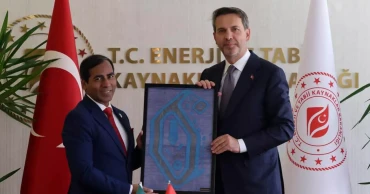
The issues were discussed at a recent meeting between Türkiye’s Energy and Natural Resources Minister Alparslan Bayraktar and Bangladesh Ambassador to Türkiye M. Amanul Haq at the Ministry of Energy and Natural Resources in Ankara, according to the Bangladesh Embassy.
The two sides explored potential areas of practical cooperation in the energy and mineral resources sectors and discussed opportunities to further strengthen bilateral collaboration.
During the meeting, Ambassador Haq handed over an invitation letter from Bangladesh Foreign Minister Khalilur Rahman, inviting Minister Bayraktar to visit Bangladesh at a mutually convenient early date.
24 days ago
Indonesia, China move to deepen defense and energy cooperation
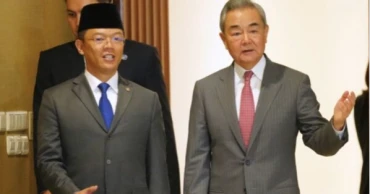
Indonesia and China on Friday discussed expanding defense cooperation and strengthening food and energy security as senior officials from the two countries held talks in Jakarta.
Indonesian Foreign Minister Sugiono said the two sides wanted their new bilateral dialogue to produce progress in key areas, including politics, the economy, security, maritime affairs and people-to-people ties.
Chinese Foreign Minister Wang Yi said Indonesia and China also agreed to improve coordination on development and security issues to support the modernization of both countries.
"We will jointly oppose unilateral bullying and power politics," Wang said in a joint statement. He also called for vigilance against efforts to challenge the outcome of World War II and urged both countries to defend international fairness and the legitimate interests of developing nations.
Sugiono said the talks covered ways to improve food, energy and mineral security by developing industries that can strengthen national resilience.
Future cooperation could include artificial intelligence, joint development of communications satellites and other advanced technologies, he said.
The two countries also agreed to promote trade by exploring new markets and expanding access for Indonesia's key export products, Sugiono said.
Wang said the new bilateral dialogue would "send a clear signal to the world of solidarity and cooperation between our two major emerging-market countries."
The defense ministers of the two countries also held separate talks on expanding military cooperation, including defense equipment, personnel exchanges and cooperation between their defense industries.
Indonesia's Defense Minister Sjafrie Sjamsoeddin said Jakarta had invited Chinese armed forces to take part in joint exercises, including the Heping Garuda exercise.
Indonesia's economic ties with China have grown rapidly in recent years, with bilateral trade reaching about $167 billion in 2025.
China is Indonesia's largest trading partner and has invested billions of dollars in major infrastructure projects, including the Jakarta-Bandung high-speed railway and the Cirata floating solar power project in West Java, Southeast Asia's largest floating solar facility.
The projects have faced disagreements over costs and timelines, but China has remained committed to them as part of President Xi Jinping's Belt and Road Initiative to develop infrastructure across the region.
1 month ago

Hasina, Modi inaugurate ‘Indo-Bangla Friendship Pipeline’ to boost energy cooperation
A 131.57-kilometre cross-border 'Indo-Bangla Friendship Pipeline' was inaugurated on Saturday as part of cooperation in energy sector between the two neighbouring countries through which Bangladesh will import petroleum products, especially diesel from India.
Prime Minister Sheikh Hasina and her Indian counterpart Prime Minister Narendra Modi formally inaugurated the newly built pipeline.
Hasina was connected from her official residence Ganabhaban while Modi was connected from his office in New Delhi.
Of the pipeline, 126.57 kilometres are in Bangladesh while the remaining 5 kilometres have been installed in India.
The BPC, the state agency under the Energy and Mineral Resources Division, has been implementing the project under a 15-year deal with India to annually import 250,000 tonnes to 400,000 tonnes of diesel from the neighbouring country through the cross-border pipeline.
The deal was signed in 2017 following the approval of the Cabinet Economic Affairs Committee on August 23.
Bangladesh annually needs to import 6.6 million tonnes to 7.7 million tonnes of diesel to meet its demand.
According to official documents, the whole consignment of petroleum will come through the cross-border pipeline from India's Numaligarh refinery, located in Golaghat in north-eastern Indian state of Assam, while Bangladesh will receive it at Parbatipur petroleum fuel depot in the north-western district of Dinajpur.
Read more: Bangladesh-India Friendship Pipeline to vastly improve transport of diesel: New Delhi
Official sources said though most part of the proposed pipeline is to be laid in the Bangladesh part, the Indian government has provided about Rs 303 crore as a loan under Indian line of credit (LOC) to build the Bangladesh portion.
Bangladesh will operate the pipeline in its part while India will operate the pipeline in its portion.
The documents also reveal that Bangladesh will annually import 250,000 tonnes in the first three years, 300,000 tonnes annually in the 4th to 6th years, 350,000 tonnes annually in the 7th to 10th years and 400,000 tonnes annually from the 11th to 15th year.
Currently, Bangladesh has been importing 22,000 tonnes of diesel per month using railway wagons.
The deal could be extended for a further period of time.
Such petroleum imports from India through cross-border pipelines will help create a stock of petroleum in the northern region to meet the growing demands in that part of the country.
Indian Ministry of External Affairs on Friday said that the operation of the Bangladesh-India Friendship Pipeline will put in place a sustainable, reliable, cost-effective and environment-friendly mode of transporting fuels from India to Bangladesh.
It will further enhance cooperation in energy security between the two countries.
This is the first cross-border energy pipeline between India and Bangladesh, built at an estimated cost of Rs 377 crore, of which the Bangladesh portion of the pipeline built at a cost of approximately Rs 285 crore, has been borne by the government of India under grant assistance.
The Pipeline has a capacity to transport 1 million tonnes per annum of High-Speed Diesel (HSD).
It will supply HSD initially to seven districts in northern Bangladesh.
3 years ago

Saudi delegation to visit Bangladesh soon to discuss energy cooperation: Envoy
A high-profile delegation from oil-rich Saudi Arabia will soon visit Bangladesh to discuss cooperation in the energy sector, said the country’s ambassador Essa Yussef Essa Al on Thursday.
Talking to reporters at the Saudi Embassy here, the envoy said his country is one of the key players in balancing the oil market and Riyadh and Dhaka are helping each other on many fronts.
The Kingdom of Saudi Arabia (KSA) finds Bangladesh as a “top priority country” and is interested in a long-term strategic plan to contribute to the economic growth of the country.
The Saudi ambassador said the soon-to-visit delegation led by the Saudi Investment Minister will also discuss with Bangladesh the investment issues.
He said the Saudi Investment Minister will visit Bangladesh within a couple of months and the two sides will get an opportunity to discuss cooperation in the energy sector.
Responding to a question, the Saudi ambassador said the Saudi companies plan to invest more than US$ 10 billion in Bangladesh in coming years.
Also read: Rohingya Crisis: KSA to keep supporting Bangladesh, The Gambia
Prominent Saudi companies including Aramco, Aqua Power and Red Sea Gate are going to invest in several projects in different sectors, he added.
The Saudi envoy said they are taking preparations to sign several MoUs on defence cooperation to strengthen the existing ties.
Referring to cooperation in the manpower sector, he said his country accommodates over 2.6 million Bangladeshi workers who provide over US$ 3.5 billion annually.
“Every day we issue 5 to 8 thousand visas to Bangladeshis from our embassy,” he said.
In response to the letter of the Custodian of Two Holy Mosques, King Salman bin Abdulaziz Al-Saud, Bangladesh President Abdul Hamid on Wednesday conveyed his support to Saudi Arabia for hosting the World Expo 2030 in Riyadh.
“We have excellent relations. We always receive full solidarity,” he said, thanking Bangladesh for the support.
The KSA is hosting Expo 2030 in Riyadh and Bangladesh’s support to Saudi Arabia reflects the absolute growing relationship between the two brotherly Muslim countries, said the Saudi ambassador.
Also read: Govt to help expats get hotel accommodation in KSA for quarantine: FM
Bangladesh Ambassador to Saudi Arabia Mohammad Javed Patwary handed over the original copy of the president's letter addressed to the Saudi king to Saudi Foreign Minister Faisal bin Farhan during a meeting at the latter's office.
The Saudi foreign minister expressed his satisfaction with the relationship between Bangladesh and his country and was looking forward to deepening the ties.
The two sides also discussed the ongoing cooperation between them and issues of mutual interest.
KSrelief Activities
The ambassador said the Custodian of the two Holy Mosques, King Salman bin Abdulaziz Al Saud established the King Salman Humanitarian Aid and Relief Center (KSrelief) on May 13, 2015 to serve as the Kingdom's humanitarian representative to the rest of the world.
The center's purpose is to provide humanitarian and relief aid outside of the kingdom. Saudi Arabia is the third largest donor country worldwide, said the envoy.
“The King Salman humanitarian aid and relief center team is here to monitor the ongoing projects in Bangladesh. The team is collaborating in Cox's Bazar with UNICEF and the Islamic Development Bank, who examined the project's progress to provide primary health care for Rohingyas’ health and nutrition needs,” he added.
Additionally, the ambassador said, the voluntary medical initiative to fight blindness and its causes in Bangladesh was integrated on Monday by the King Salman Humanitarian Aid and Relief Center.
The King Salman Center’s plans for this year include 100 projects under the Noor Saudi Volunteer Program to fight to fight blindness in more than 30 nations.
“I am happy to announce that Bangladesh received a significant amount of funding after seven projects, of which three have already been carried out and the rest will be done in the near future,” he said.
4 years ago