BSTI
BSTI says will verify toothpaste microplastics findings before taking action
The Bangladesh Standards and Testing Institution (BSTI) has said it will take action only after scientifically verifying the findings of a recent study that detected microplastics in most types of toothpaste available in the market.
In a statement on Tuesday, it said a study by the Environment and Social Development Organization (ESDO), a private research organisation, found microplastics in 26 out of 34 toothpaste types it tested, raising public concern.
As the issue involves public health and the environment, BSTI said it is treating the matter with the utmost importance.
Microplastics are plastic particles measuring 5 millimetres or less and are usually invisible to the naked eye. According to the World Health Organization (WHO), they are an emerging environmental and public health concern. However, research into their health effects is still ongoing, and the WHO has said more studies are needed to better understand the risks.
BSTI said the United States was the first country to ban the intentional use of plastic microbeads in toothpaste and rinse-off cosmetic products under the Microbead-Free Waters Act of 2015. Under European Union Regulation (EU) 2023/2055, manufacturers have until 17 October 2027 to stop using intentionally added microplastics in toothpaste and rinse-off cosmetics.
Many countries have already banned the intentional use of plastic microbeads in toothpaste. However, BSTI noted that the standards of countries such as India, Pakistan and Sri Lanka, as well as those of international organisations, including ISO and ASTM, do not specify limits or bans on unintentional microplastics in toothpaste.
There is also no internationally accepted limit or standard testing method for such contamination.
Bangladesh has its own toothpaste standard, BDS 1216:2012 Specification for Toothpaste. Under SRO Nos. 50 and 51 of 2019, toothpaste manufacturers must obtain a BSTI licence after their products are tested for chemical, microbiological and safety requirements under the standard before they can be sold.
Although the Bangladesh standard does not specifically ban microplastics, it includes a list of 81 approved ingredients for toothpaste, and microplastics are not among them.
BSTI said manufacturers' quality control systems are also checked before licences are issued, leaving no scope for the intentional use of microplastics in toothpaste production.
The national standards body said it will not be scientifically correct to conclude that a manufacturer deliberately used microplastics simply because plastic particles were found in a test, or to assume the product poses a health risk without further evidence.
It said detailed testing is needed to identify the type, source and quantity of the particles and to assess any possible health risks.
To verify the findings, BSTI has requested the full research report, testing methods, raw data and other relevant information from the research organisation. It is also collecting information on raw materials, product ingredients and synthetic polymers from manufacturers and importers.
The agency has also begun collecting toothpaste samples from the market and factories for independent confirmatory testing at accredited laboratories in Bangladesh or abroad.
If the tests confirm that any product fails to meet Bangladesh standards or contains unapproved ingredients, BSTI said it will take legal action against those responsible under existing laws.
At the same time, the agency said it will not be appropriate to declare any toothpaste brand unsafe or of poor quality before completing proper scientific and legal verification.
BSTI also said it has started reviewing the national toothpaste standard in consultation with experts, research institutions, the Department of Environment, the Directorate General of Drug Administration, dentists, manufacturers and consumer representatives.
Once sufficient scientific evidence is available, the standard will be updated to include restrictions on the intentional use of plastic microbeads in toothpaste, mandatory disclosure of ingredients and appropriate testing methods.
BSTI urged the public not to be influenced by rumours or panic. It advised people to maintain good oral hygiene, avoid swallowing toothpaste and rely on verified information.
The agency reaffirmed its commitment to protecting public health, maintaining scientific integrity and safeguarding consumer interests.
2 months ago
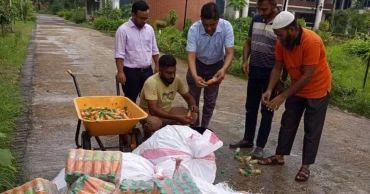
Counterfeit goods flood Bangladesh; is BSTI asleep?
Consumers across Bangladesh have been facing a growing risk due to substandard and counterfeit products in markets, raising questions whether BSTI and other regulatory bodies are working effectively to safeguard the public against low-quality and harmful products.
Everyday items from edible oils and spices to bottled water and cosmetics -- often fail to meet required standards.
Jamshed Mia, a resident of Mirpur, recounted buying branded soybean oil that smelled and felt unusual once opened at home. “You can’t check the quality in the shop. Only at home do you realise its poor quality,” he said.
When he returned to the retailer, his complaint was refused.
Visiting New Market, Karwanbazar, Chankharpul and major supermarket chains, the UNB correspondent found shelves stocked with low-quality, expired, or counterfeit goods including rice, lentils, spices, cooking oil and bakery items.
Despite occasional mobile court drives, long-term monitoring and consistent enforcement remain weak.
The Directorate of National Consumer Rights Protection and the Bangladesh Standards and Testing Institution (BSTI) occasionally conduct mobile court drives.
Informal workers battle soaring inflation in Bangladesh
While media coverage of such raids is widespread their impact rarely lasts.
On September 17, a BSTI-led operation in Moghbazar fined Rowza Shop Tk 15,000 for selling mustard oil, honey, turmeric powder, chili powder and ghee without proper certification or packaging. The shop was also instructed to obtain the required license immediately.
“If the drive is taken seriously, sellers dare not display the products. But the situation highlights poor surveillance in the market,” said Hasim Mollah, a private sector employee.
A shop owner, speaking anonymously, said, “Whenever raids are conducted, traders stay cautious for a few days. After that, they continue business as usual with fake or low-quality goods.”
Recent BSTI actions include shutting down a company producing bottled water in unhygienic conditions without proper testing.
Officials said the plan failed to maintain health and safety protocols and lacked basic laboratory testing and certification.
Medical specialists and consumer rights activists have also raised concerns over cosmetics, particularly skin-whitening creams.
Many of these products contain mercury, steroids, and other harmful chemicals, causing permanent skin damage, kidney problems and hormonal imbalances.
Bangladesh’s leather sector stuck at $1bn; $5bn could be tapped: Experts
Traders and importers said BSTI primarily tests products during licensing or upon complaints, leaving street-level vendors and small factories largely unmonitored.
Hasuar Ali, a trader of Karwan Bazar said, “Thousands of companies operate without BSTI licenses and their products reach rural shops. Many people consume these items which can seriously harm their health. Authorities must be more vigilant to prevent illegal operations.”
1 year ago
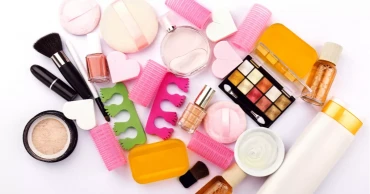
Dhaka emerges as a hub for counterfeit products
Counterfeit products falsely claiming Bangladesh Standards and Testing Institution's (BSTI's) certification are flooding the market, posing severe public health risks.
From food to cosmetics and electrical appliances, unscrupulous traders are deceiving consumers with fake BSTI seals, exploiting regulatory loopholes.
Despite frequent raids by BSTI and law enforcement agencies, the illegal trade continues, especially during peak shopping seasons, raising urgent concerns over consumer safety.
Dhaka has become a hotspot for fake products, causing major economic losses. Cosmetics trader Rafiqul Islam warns that counterfeit goods hurt legitimate businesses and put consumers at risk.
"As Ramadan has begun, ensuring consumer safety is crucial. Counterfeit cosmetics are a persistent challenge," he said.
According to a study by the Anti-Counterfeiting Group, fake products cost the government Tk 3,170 crore in lost tax revenues annually, while legitimate businesses lose Tk 13,680 crore in sales.
Rampant Sale of Fake BSTI-Sealed Products
Investigations reveal widespread sale of counterfeit edible oil, powdered milk, bottled water, soft drinks, cosmetics and electrical goods with fake BSTI labels. Many of these are produced in unauthorised factories in Dhaka, Chattogram and other cities.
Traders attract consumers with low prices and misleading packaging. Some even print counterfeit BSTI stickers and holograms, making it difficult to identify fake products.
Serious Health Risks
Fake BSTI-certified products are not just fraud—they pose real dangers:
Food Contamination: Counterfeit food and beverages may contain harmful chemicals, excessive preservatives, and poor-quality ingredients, causing food poisoning, stomach issues, and long-term health risks.
Fire Hazards: Fake electrical goods, including bulbs, fans, and wires, often fail safety standards. The fire service reports that 38% of last year’s fire incidents were caused by electrical short circuits due to low-quality wiring.
Fake cosmetics seized at Old Dhaka
Toxic Cosmetics: Counterfeit beauty products often contain harmful substances like mercury, steroids, and lead, which can cause severe skin reactions, allergies, and long-term health complications.
Futile Crackdown
BSTI and law enforcement agencies “frequently raid” counterfeit factories and markets. Between October and January, 471 mobile court operations led to 428 cases, Tk 2.47 crore in fines and the sealing of 23 factories.
On February 19, a BSTI-led mobile court raided a Dhaka factory producing fake cosmetics branded as Johnson’s, Sunsilk, Dove, Head & Shoulders and Pantene. A large quantity of counterfeit goods was destroyed, but no arrests were made as factory representatives were absent.
BSTI officials urge consumers to stay vigilant. “We are working with law enforcement agencies to shut down illegal businesses. Consumers should verify BSTI numbers and report suspicious products,” a BSTI spokesperson said.
Tougher Laws Needed
Experts stress the need for stricter penalties and public awareness campaigns. Suggested measures include QR codes for easy product verification and stricter legal action against counterfeiters.
“The BSTI certification should guarantee product safety. Unfortunately, many certified products turn out unreliable,” said Moumita Khan, a shopper in Mouchak’s Fortune Market.
Fake license numbers and BSTI seals on products make it hard for consumers to differentiate between genuine and counterfeit items, increasing public health risks.
69,000 packets adulterated Orsaline seized in Chattogram
Nationwide Drive
To curb food adulteration, BSTI has launched a nationwide crackdown on iftar items, fruits, baby food and cosmetics.
Industries Adviser Adilur Rahman Khan said that BSTI’s surveillance is being intensified. In Dhaka, three mobile courts will operate daily in collaboration with law enforcement agencies such as the Dhaka Metropolitan Police (DMP) and the Rapid Action Battalion (RAB).
Similar operations will take place across the country with district and upazila administration support, he said.
Despite so-called drives by BSTI, traders continue to produce and distribute counterfeit goods, often using fake BSTI seals to deceive consumers. The Anti-Corruption Commission (ACC) has also been investigating BSTI for internal collusion and unauthorised certification.
Consumers express frustration over BSTI’s inability to prevent counterfeit sales, citing corruption and weak enforcement. Some knowingly buy fake goods due to lower prices, while others are misled by deceptive packaging.
Legitimate Importers Suffer Huge Losses
Counterfeit products harm genuine importers and businesses, who struggle to compete against low-cost fake goods.
According to the Bangladesh Importers Association, counterfeit-related losses amount to billions of takas annually.
“We are losing a massive market share to counterfeiters. Consumers buy fake products unknowingly and blame original brands for poor quality,” said Rahman Hossain, a Dhaka-based electronics importer.
HC seeks report on adulterated milk, curd-producing companies
BSTI Director General SM Ferdous Alam reassured that their drive would prioritise the quality of iftar items, baby food, fruits and cosmetics to protect consumers from health risks.
1 year ago

BSTI certification now mandatory for petroleum jelly, water heater, 8 more products
The Bangladesh Standards and Testing Institution (BSTI) has included 10 more products under its mandatory quality certificate, considering their growing demand.
The products are disposable diapers, face wash, petroleum jelly, flatbread/tortilla, shaving foam or gel, eye care, liquid hair dye, aerosol, shoe polish, and geyser or water heater.
The decision was taken at the 37th BSTI council (highest authority of policy making for the entity) on Sunday with Industries Minister Nurul Majid Mahmud Humayun in the chair.
Currently, the number of products covered by BSTI’s mandatory quality certificate is 229.
Read: Govt working to strengthen BSTI global standard: Minister
The council discussed the ongoing trend of industrialization, an increase in institutional manpower, and skill development training.
The industries minister highlighted the huge potential for the export of halal products in the world market, adding that BSTI should take initiative to determine the quality of halal products and issue quality certificates.
Though Bangladesh is a Muslim-majority country, the contribution of halal products is nominal so far.
According to sources of the commerce ministry, most of the top 10 halal products exporting countries are non-Muslim.
Read: BSTI adds 43 new products under mandatory quality certificate
The top five countries exporting halal meat to the Organization of Islamic Cooperation (OIC) countries are Brazil at $16.2 billion; India at $14.4 billion; the USA at $13.8 billion; Russia at $11.9 billion; and Argentina at $10.2 billion, according to the State of the Global Islamic Economy Report 2020-2021.
The study was produced by the US-based research organization Dinar Standard and supported by Dubai Islamic Economy Development Centre.
State Minister for Industries Kamal Ahmed Mojumder, Industries Secretary Zakia Sultana, and Director General of BSTI Md Abdus Sattar were also members of the BSTI council and attended the meeting.
Read More: ACC to submit report after drive at BSTI
3 years ago
.jpg)
BSTI for allowing import of downgraded Petrol
Bangladesh Standards and Testing Institution (BSTI) has proposed allowing the import of downgraded Petrol ignoring its own standard set nine years ago.
5 years ago
.jpg)
2 filling stations fined for fraudulence in city
Bangladesh Standards and Testing Institution (BSTI) on Monday filed cases against two refuelling stations in the city for fraudulence in fuel measurement.
5 years ago
.jpg)
BSTI adds 43 new products under mandatory quality certificate
Bangladesh Standards and Testing Institution (BSTI) has decided to include 43 new essential products under the mandatory quality certificate considering their growing demand among the people.
5 years ago

Two refuelling stations fined for weight manipulation in city
Bangladesh Standards and Testing Institution (BSTI) on Monday fined two filling stations Tk 100,000 for weight and measurement manipulation in the capital.
6 years ago
.jpg)
Trans fat: The fat that can kill you
A by-product of a process called hydrogenation that is used to turn healthy oils into solids, Trans Fatty Acid (TFA), commonly known as trans fat, has now emerged as a deadly threat to life on Earth and Bangladesh as well.
6 years ago

BSTI revokes licenses against 8 products
Bangladesh Standards and Testing Institution (BSTI) has revoked the licenses provided against 8 products of six companies.
6 years ago