Hair Loss
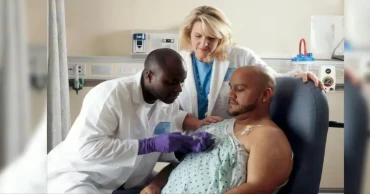
New technique combats chemotherapy hair loss
A new study from the UK offers fresh hope to cancer patients undergoing chemotherapy, with researchers unveiling a technique that could significantly reduce one of the most distressing side effects — hair loss.
Scientists at Sheffield Hallam University have found that combining scalp cooling to an optimal temperature of 18 degrees Celsius with the application of antioxidant-rich lotions can protect hair follicles from chemotherapy-induced damage.
Scalp cooling, already used in some hospitals through "cold caps", works by narrowing blood vessels in the scalp, limiting the amount of chemotherapy drugs that reach the hair follicles. The new research demonstrates that cooling the scalp to precisely 18°C, along with antioxidants — including ingredients found in red grapes — enhances the protective effect.
Earth's rotation speeding up, leading to slightly shorter days: Report
“This dual approach could be a game-changer,” said Dr Nik Georgopoulos, associate professor of cell biology at Sheffield Hallam University. “Our findings suggest that the combination of cooling and antioxidants could be a game-changer in preventing chemotherapy-induced hair loss and could make a real difference to the lives of cancer patients worldwide.”
He added, “It highlights the potential for a more effective and accessible solution to a common and highly distressing side effect of cancer treatment. By improving the quality of life for these patients, this method represents a significant advancement in supportive cancer care.”
The study, published in Frontiers in Pharmacology, involved isolating hair follicles from the scalp and growing them in a laboratory setting. Researchers then exposed the follicles to chemotherapy and found that cooling provided substantial protection against drug-induced damage.
According to Sheffield Hallam University, approximately 65% of chemotherapy patients experience hair loss, with 47% of female patients describing it as the most traumatic aspect of their treatment.
Source: NDTV
1 year ago

Hair Fall after Pregnancy: Causes and Solutions
After the remarkable journey of pregnancy and childbirth, many new mothers encounter postpartum health issues. One common concern is hair fall, which can be distressing for these mothers. Understanding the reasons behind postpartum hair fall and discovering effective solutions is crucial to helping women regain their confidence and maintain their hair health.
Reasons behind Hair Loss after Pregnancy
Hormonal Changes
During pregnancy, a woman's body experiences significant hormonal changes to support the growth of the baby. After childbirth, hormone levels, particularly oestrogen, drop abruptly. This hormonal shift can trigger hair shedding, often noticed a few months after giving birth.
Stress and Fatigue
The demands of caring for a newborn often result in overwhelming fatigue and stress. It affects a mother's mental and physical health. Elevated stress levels and constant exhaustion play a role in hair fall, disrupting the natural hair growth cycle and adding to the concerns of postpartum women.
Read more: 10 Ways to Ensure Emotional Well-being during Pregnancy
Thyroid Problems
Thyroid issues post-pregnancy can exacerbate hair fall. Fluctuating thyroid hormones, common after childbirth, can disrupt the hair growth cycle. An underactive or overactive thyroid adversely affects hair quality and contributes to increased hair shedding. It compounds the challenges of postpartum hair loss for new mothers.
Iron Deficiency
Iron deficiency, prevalent after pregnancy, can be a significant factor in postpartum hair fall. Inadequate iron levels impede the transportation of oxygen to hair follicles. This affects hair health and leads to increased hair loss. It is a concern frequently experienced by new mothers.
Medications
Certain postpartum medications may trigger an unintended hair fall. Some medications, such as blood thinners and antidepressants, can cause hair loss as a side effect. New mothers need to consult healthcare professionals about potential side effects on hair and explore alternative treatments if needed.
Read more: Best foods for expecting mothers
3 years ago