debt management
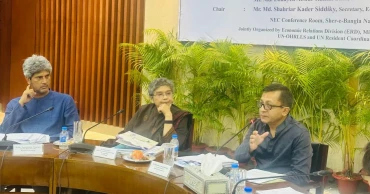
Widening tax net, better debt management top priorities: Commerce Minister
Commerce Minister Khandakar Abdul Muktadir on Sunday underscored the urgency of strengthening debt management and expanding the tax net describing them as the top priorities in the country's current economic landscape.
“The government is committed to meeting public expectations and is taking effective measures to steer the country out of the ongoing challenges,” the minister said while addressing the closing session of a seminar titled ‘National Multistakeholder Consultation on Bangladesh Graduation Readiness Assessment’ held at the NEC Conference Room of the Planning Commission.
Acknowledging the difficult economic situation Bangladesh is navigating, Muktadir stressed that well-planned initiatives are indispensable to restoring discipline and stability to the economy.
He said several large projects undertaken in the past without adequate planning had added significantly to the country's debt burden. “Questions surrounding project costs and implementation processes in a number of cases have further compounded economic pressure.”
“Proper management of existing loans and greater caution in undertaking new projects are essential,” he said adding that realistic and productive project selection is key to sustaining development momentum.
On taxation, the minister said Bangladesh's tax-to-GDP ratio remains unsatisfactory and must be improved but through base expansion rather than rate hikes. “A significant portion of the economy still remains outside the tax net. Instead of raising tax rates, we must broaden the tax base to enhance revenue collection.”
Muktadir also stressed the importance of mobilising greater domestic resources to bolster debt repayment capacity while ensuring sustainable development progress.
6 months ago

Low revenue collection hampers debt management, Finance Ministry doc says
The Finance Ministry has highlighted low revenue collection as a major obstacle to effective debt management, restricting the government's ability to invest in infrastructure and development projects.
According to a document from the ministry, the lower revenue-to-GDP ratio adversely impacts debt sustainability. "This issue is further exacerbated by the LDC graduation deadline in 2026, which will affect the country's access to concessional financing from international sources," the document states.
The finance ministry's document, titled ‘Medium Term Macroeconomic Policy Statement (2023-24 to 2025-26)’, also identifies the high-interest rate environment both domestically and internationally as another significant challenge. This situation is increasing borrowing costs and straining public finances.
Despite zero investment, govt earning Tk14 crore revenue from Nagad: Palak
The rising need for government funding to support critical infrastructure, social safety nets, and other development initiatives compounds the problem. Additionally, the presence of segmented debt offices within various agencies has created coordination challenges in debt management, potentially affecting the country's fiscal sustainability.
Recommendations for Improvement
To address these challenges, the Finance Ministry recommends a comprehensive and integrated approach to debt management, improved revenue collection, and exploring alternative financing mechanisms to reduce reliance on debt.
It is crucial to address these issues promptly to ensure that the country's public debt remains sustainable, the document asserts.
Steps Toward Financial Efficiency
The Finance Division has already undertaken measures to enhance the efficiency and transparency of the financial system. One key initiative is the introduction of secondary market transactions of government securities, facilitated by a memorandum of understanding (MoU) signed among Bangladesh Bank, the Bangladesh Securities and Exchange Commission (BSEC), the Dhaka Stock Exchange (DSE), the Central Depository Bangladesh Limited (CDBL), and the Central Counterparty Bangladesh Limited (CCBL).
Despite zero investment, govt earning Tk14 crore revenue from Nagad: Palak
This move aims to increase the scope and depth of the secondary bond market, allowing both institutional and household investors to participate in government securities transactions. It is expected to help finance the government’s deficit more efficiently and contribute to capital market development and overall economic growth.
Additional Reforms
The automation of the National Savings Certificate (NSC) issuance process represents another critical reform aimed at increasing efficiency and reducing paperwork. This measure supports the implementation of policy measures such as slab-based interest rates and individual investment ceilings, aligning with the government’s financing strategy and reducing investment in NSC.
Furthermore, the publication of the Debt Bulletin ensures transparency in debt data, benefiting various stakeholders including other ministries, research organizations, the business community, the international community, and the general public.
34% of Bangladesh's revenue spent on debt repayment: CPD
Moderate Debt Levels, Significant Challenges
Despite Bangladesh maintaining a moderate level of public debt and a low risk of external debt distress due to strong growth and prudent macroeconomic management, the document stresses that significant challenges remain. Addressing these challenges is essential to maintaining sustainable public debt and supporting the country's development objectives.
2 years ago