polythene
PM orders stricter action against unchecked use of polythene, plastic
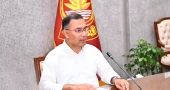
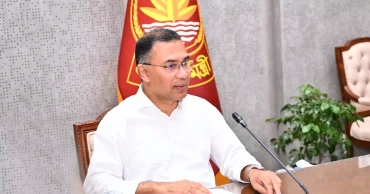
Prime Minister Tarique Rahman on Wednesday ordered the law enforcement agencies to take stricter action to stop the unchecked use of polythene and plastic in a bid to control environmental pollution.
He also asked the ministries, departments and agencies concerned to properly discharge their responsibilities in enforcing measures against the use of polythene and plastic.
Tarique gave the directives at a review meeting on controlling environmental pollution at Secretariat in the morning, said a release issued by the PM’s Press Wing.
1 month ago
Weak enforcement keeps polythene thriving in Bangladesh markets: Insiders
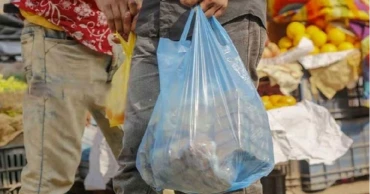
More than 15 months after the government imposed a ban on polythene in retail markets, the banned plastic continues to be widely used across city streets and rural bazars in Bangladesh, reflecting weak enforcement and easy availability, according to market observers and industry insiders.
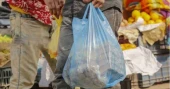
“Across Dhaka and other major towns, shoppers leave markets with bags full of banned polythene, with neither sellers nor buyers appearing to exercise caution or awareness,” said Hasan Shahriar, businessman.
Despite laws existing for over two decades, he said, polythene remains a persistent feature of daily commerce.
Analysts, including environmentalists and journalists, insist that without robust enforcement, assured alternative supplies, and a crackdown on entrenched syndicates, the country’s attempts to curb plastic usage are doomed to repeatedly falter.
Read more: Lack of coordination dooms govt drive against polythene, single-use plastics
Fighting for environmental protection requires more than legislation; it needs pragmatic planning and political will, they said.
On the Ground: Polythene in Every Stall
Field visits to Dhaka’s markets reveal that fish, meat, vegetables, fruits, and groceries are all still sold in polythene. Vendors cite its low cost, availability, and convenience as key reasons for continuing its use, while buyers face no additional cost.
In contrast, alternatives such as paper, cloth, or jute bags remain largely absent. Some supermarkets in the capital have reportedly reduced polythene usage, but the change has yet to spread widely.
Before the interim government’s enforcement drive, several rounds of consultations took place with environmental advisers and stakeholders. Traders were given deadlines to comply with the ban, yet polythene reappears in large markets, bazaars, and alleyways shortly after enforcement actions.
Vendors argue that without viable alternatives, they are compelled to continue using polythene. Environmental authorities maintain that all efforts are being made to eliminate its use.
Law Exists, Enforcement Lags
Bangladesh first banned polythene production, marketing, and distribution in 2002 under the Environmental Conservation Act, which criminalised general polythene bag use. In 2024, the interim government renewed the ban, effective from 1 October, prohibiting polythene bags in supermarkets nationwide.
From 1 November, nationwide enforcement extended to all bazaars and retail outlets, outlawing production, sale, storage, transport and use of polythene and polypropylene shopping bags.
Read more: Rizwana for developing habit of using cloth, jute bags instead of polythene
In practice, however, the ban has been largely symbolic. While initial enforcement was stringent, compliance waned within days, and polythene quickly returned to the market.
Numbers Are Stark
Research indicates that nearly 3,000 factories in Bangladesh produce millions of polythene bags daily. In Dhaka alone, approximately 20 million bags are generated each day.
Around 80% of the population relies on polythene or plastic products in some form, placing Bangladesh among the world’s most plastic-polluted countries.
Open Factories in Old Dhaka
Despite the ban, hundreds of polythene factories operate openly in areas such as Debidashghat Lane, Gani Miar Hat, and Larkipotti in Old Dhaka.
Locals claim that these syndicates maintain operations with tacit administrative approval.
A 2025 raid on an illicit factory in Chawkbazar, during which environmental officers were attacked, underscored the syndicates’ reach. Monitoring and Enforcement Director Shawkat Ali suffered serious injuries in the incident.
A Lack of Alternatives
Markets, including Karwanbazar, Kitchen Market, and Muslim Bazar show near-universal polythene use. A vegetable vendor told UNB, “If I don’t give polythene, customers will go elsewhere. Paper or jute bags simply aren’t available in the market.”
Read more: Jute: The Greenest Alternative to Plastic Bags
Buyers echo this, noting that bans alone cannot suffice without affordable, practical alternatives. Many alternative bags in supermarkets remain beyond the reach of ordinary consumers.
Environmental and Health Risks
Prof Ahmad Kamruzzaman Majumdar of Stamford University, and Director of CAPS, told UNB that polythene harms the environment in three key ways: soil pollution, blocked drains causing waterlogging, and ineffective waste management. When burned, it releases toxic gases; in water, it degrades quality. When it enters the food chain, it increases risks of cancer and other diseases.
He stressed that effective reduction requires alternatives that are cheap, portable, and suitable for wet goods. “Without such options, bans are ineffective,” he said.
Preparedness Gaps Lead to Failure
Former Additional Director of the Department of Environment, Engineer Md. Abdus Sobhan, told UNB that the sudden announcement of the ban without preparation was the primary cause of failure. “Markets lacked alternatives, administrative capacity was limited, and coordination among law enforcement was weak,” he said.
Read more: Govt to distribute jute bags at subsidised rates: Adviser Rizwana
Alamgir Kabir, General Secretary of the Bangladesh Environmental Movement, added that polythene can only be eliminated permanently if low-cost, easily accessible alternatives are provided. “If jute bags cost twice as much, people will never adopt them,” he warned.
Government Response
Syeda Rizwana Hasan, Environmental Adviser, told UNB that the government is striving to enforce the law. “Supermarkets in Dhaka no longer provide polythene. Implementing the ban across the country is challenging, but we have started. The next elected government can continue implementation.”
She stressed that public awareness is vital, and a ‘polythene-free daily’ mindset must be cultivated.
Md Ziaul Haque, Additional Director of the Department of Environment, said enforcement continues through awareness campaigns and mobile courts, alongside attempts to disrupt the supply chain.
“Trucks carrying polythene from Dhaka to other regions have been intercepted, and factories temporarily shut down. We will resume these operations swiftly,” he added.
9 months ago
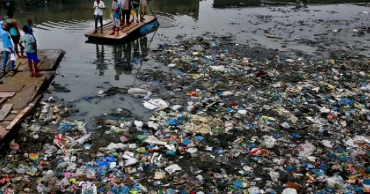
Lack of coordination dooms govt drive against polythene, single-use plastics
The government’s much-hyped move to curb the use of polythene bags and single-use plastics has floundered, with experts blaming the failure on the lack of a coordinated and comprehensive approach.
They said such efforts will never succeed unless the government simultaneously regulates the import, marketing, storage and processing of plastic particles and ensures the availability of proper alternatives in sufficient quantities.
Though the interim government began enforcing a no-more-polythene-bag policy in super shops from October 1, 2024, and extended it to all kitchen markets from November 1, 2024, the move made no impact beyond super shops.
Environment pollution and public health expert Prof Dr Liaquat Ali stressed the importance of forming a multi-sectoral or inter-ministerial body comprising the ministries of environment, health, commerce, education, information, textiles and jute and home to combat the use of single-use plastics effectively.
“I think the initiative to stop the use of polythene bag and single-use plastics has failed due to lack of a coordinated initiative,” he told UNB.
Dr Liaquat Ali observed that the use of polythene bags or single-use plastics is on a gradual rise. “No scattered initiative will be a success here. I think this has been a failed initiative. Interventions must be simultaneous across all relevant sectors, from import, production and consumption,” he added.
Echoing the same, environmental activist architect Iqbal Habib said the campaign against polythene bags and single-use plastic products cannot succeed without coordinated restrictions on import, marketing, storage and production and intervention in recycling alongside making affordable proper substitutes available in the market and strict enforcement of laws.
“The government did not impose a blanket restriction on import and processing of plastic particles, citing their use in RMG and other export-oriented sectors. But removing polythene is impossible without imposing simultaneous restrictions at all levels,” he said.
HC wants to know about effective measures to curb Dhaka’s air pollution
About alternatives, he said the copyright of the biodegradable ‘Sonali Bag’ (Jute Polymer) is still restricted. Besides, some entrepreneurs showed interest in producing substitutes from corn, potato and banana fibre, BSTI has not approved them yet, he added.
Noting that polythene is being used in all sorts of packages, Iqbal Habib said this government has no dare to control 40-50 business oligarchs in using polythene.
Bangladesh Poribesh Andolon (BAPA) General Secretary Alamgir Kabir blamed the failure of the anti-polythene initiative on the lack of affordable and accessible alternatives in the market. “This initiative didn’t see light beyond super shops due to lack of suitable substitutes. It has failed,” he said.
Referring to a research report, he said some 2.5 crore polythene bags are dumped daily in Dhaka alone, resulting in serious environmental, health and economic consequences.
He suggested that the government subsidise eco-friendly alternatives and consider purchasing the copyright of the Sonali Bag for mass production.
In September 2024, Environment, Forest and Climate Change Adviser Syeda Rizwana Hasan announced that super shops must stop using polythene and polypropylene shopping bags from October 1, 2024 as well as a nationwide anti-polythene drive in all kitchen markets from November 1, 2024 as part of a phased enforcement of the polythene ban.
The Adviser also said the government would strictly enforce the ban on production, storage, transportation, marketing and use of polythene to completely stop its use in the country.
But like previous attempts, this fight against polythene appears to be heading towards failure.
The polythene bags were first banned in 2002 and the people refrained from using them for some days, fearing punishment. But they started using polythene again due to the lack of suitable alternative bags.
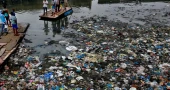
Bangladesh is now facing an alarming surge in plastic waste, fueled by the failure to recycle disposable items like bags, bottles, straws, and packaging materials, many of which end up in landfills and water bodies.
Builders in Dhaka fined for violating air pollution rules
Unregulated Plastic Production
Plastic industries also contribute considerably to the growing mismanaged plastic waste in Bangladesh. There are about 5,000 plastic manufacturers operating in Bangladesh, employing about 1.2 million individuals (BIDA, 2021).
According to another research, Bangladesh's annual per capita plastic consumption in urban areas tripled to 9.0 kg in 2020 from 3.0 kg in 2005.
Of the 977,000 tonnes of plastic consumed in 2020, only 31 percent was recycled.
1 year ago
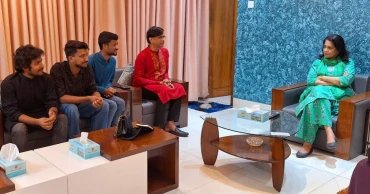
Rizwana for developing habit of using cloth, jute bags instead of polythene
Environment Adviser Syeda Rizwana Hasan on Monday underscored the need for developing the habit of using cloth and jute bags as alternatives to polythene to reduce plastic use in daily life.
“Plastic use must be reduced at every level of life, and single-use polythene bags must be completely eliminated,” she said while exchanging views with students and representatives of environmental organisations at the circuit house in Rajshahi.
Highlighting the environmental damage caused by plastic and polythene, she said the government has already taken various initiatives to encourage people to shift towards sustainable alternatives, said an official release.
She said public engagement is key to achieving success in this regard.
Expressing concern over the ongoing trend of filling ponds, canals, and other water bodies amid urban expansion she stressed the importance of preserving natural reservoirs for water conservation and maintaining the groundwater level.
Calling on the youth to embrace an eco-conscious lifestyle, the Environment Adviser said, “Every small step we take can lead to big changes.”
Rajshahi Deputy Commissioner Afia Akhtar, BAPA General Secretary Alamgir Kabir, and representatives from various environmental organisations, along with students, journalists and government officials, attended the event.
Social movement crucial to tackle noise pollution: Adviser Rizwana
The participants stressed the need for enhanced awareness-building activities at the local level to promote environmental protection.
Rizwana also instructed the Deputy Commissioner to take necessary steps to restore ponds and water bodies in the district and assured the government support in the process.
1 year ago
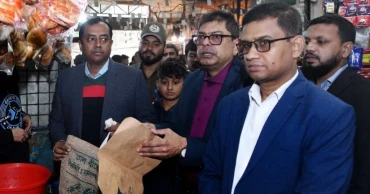
Drive against polythene: Tk 29 lakh fine realised, 60,000kg polythene seized
Mobile courts run by the Ministry of Environment, Forest and Climate Change has fined nearly Tk 29 lakh and seized around 60,000 kilograms of polythene in drives against polythene use in 31 days till Saturday across the country.
Speaking to reporters, additional secretary and chief of the monitoring committee Tapan Kumar Biswas said since November 3, 216 mobile courts were conducted across the country that imposed fine of Tk 28,73,300 on 438 establishments.
A total of 59,959 kilograms of illegal polythene were seized during the period, he added.
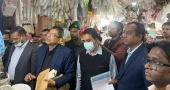
On Saturday, a raid was conducted in Palashi and Hatirpool areas’ kitchen markets led by Tapan Kumar Biswas.
5 brickfields in Feni fined Tk 58 lakh; 2 others evicted
He said, “The number of mobile courts has increased to enforce stricter measures. Legal actions will be taken against the offenders.”
Pollution caused by polythene has reached alarming levels, obstructing the flow of rivers and canals and degrading soil fertility, he said.
He urged citizens to adopt sustainable practices including carrying their own bags while shopping and using alternatives such as jute or cloth bags.
He emphasised the role of public awareness and media cooperation in enforcing the polythene ban adding, “We need everyone's cooperation to succeed in banning polythene.”
Officials from the environment ministry, department of environment, law enforcement agencies and market committee representatives participated in the drive.
The monitoring team also inspected shops and encouraged traders to switch to eco-friendly alternatives.
1 year ago
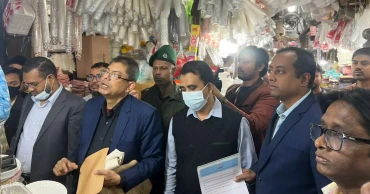
Crackdown on poly bags: Tk 2.5mn in fines collected
A total of 199 mobile court operations have been conducted across the country since 3 November last, collecting Tk 25,72,300 in fines on 414 establishments and the seizure of 50,556 kg of polythene shopping bags.
Tapan Kumar Biswas, Additional Secretary and Chairman of the Monitoring Committee under the Ministry of Environment, Forest, and Climate Change, on Friday vowed to intensify enforcement efforts alongside raising public awareness about eco-friendly alternatives to polythene bags.
He shared these updates during a press briefing held at Karwan Bazar following a monitoring operation aimed at curbing the use of polythene bags in the area.
Tapan Kumar reiterated that the ban on polythene bags is important for protecting the environment and reducing plastic pollution. The ministry has been making comprehensive efforts to ensure the success of this initiative, including intensified monitoring operations across the country, he added.
Case filed over Biswa Ijtema killings; one arrested
He called on all stakeholders to actively support the government's campaign to safeguard the environment.
During the drive, both shopkeepers and customers were encouraged to adopt alternatives such as jute bags, cloth bags, and wax-coated brown paper bags. Several shops showcased environmentally friendly bag options as part of the initiative.
Officials from the Ministry of Environment, Forest, and Climate Change, alongside representatives from the Department of Environment, were present during the operation to oversee and promote the campaign.
1 year ago
War against polythene: Drive to begin in December
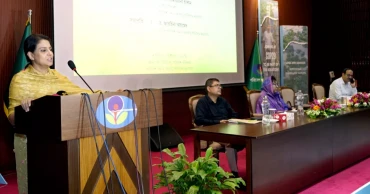
The government will launch a drive against polythene and polypropylene shopping bags in markets from December next and reward the single-use plastic-free markets, said Environment Adviser Syeda Rizwana Hasan on Sunday.
“We’ll send some student representatives to different markets (for a motivational campaign against polythene and polypropylene shopping bags) in November. We’ll conduct drives from December,” she said.
The environment adviser was addressing a meeting with business owners at the conference room of the Department of Environment.
She asked the shop owners not to provide polythene and polypropylene shopping bags and also laminated boxes from their shops.
Rizwana Hasan announced that the government would reward the markets which would be completely freed from single-used plastic by December 31 next.
Civil society’s role crucial for building equitable state: Rizwana
“Inform us about the markets which would be freed from polythene shopping bags, limited and polypropylene bags by December 31, we’ll surely reward you,” she said pointing at the representatives of market associations.
The adviser said so far the feedback they receive from the field is that the buyers of the super shops do not want polythene bags as well. “We’ll conduct operations to super shopping malls from November 01 as per our earlier announcement. Most of the shopping malls are in compliance. We hope that we won’t need to go for operations there,” she said.
Alternatives
The environment adviser said the government allows jute and cloth bags as alternatives to polythene bags, not permitting bio-plastics right now without certification that these are completely safe.
“I would like to assure the innovators of bio-plastics that we will sit with you soon. If we think anyone of bio-plastics absolutely safe, we will consider whether its clearance can be given for a limited scale for some specific products. Jute, chot and cloth are right now our alternatives,” she said.
Drives against Poly Manufacturers
The environment adviser said the operation will be carried out against polythene bags producers and manufacturers from November 01.
Adviser Rizwana promotes healthy habits for stronger future
Pointing to those who create confusion saying that all plastic products would be banned, she asked them not to create confusion as the drives will be carried out against only those who produce and manufacture polythene shopping bags.
Noting that single-use polythene factories run completely illegally without any permission, she questioned what legal bindings she has to rehabilitate the factories, which have been running illegally since 2002.
The adviser also emphasized that polythene poses a serious threat to both the environment and public health.
She urged businesses to step up and help implement the ban.
Environment Secretary Dr Farhina Ahmed presided over the meeting, while the Director General of the Department of Environment and business leaders spoke on the occasion.
2 years ago
Shoppers back polythene ban, worry about alternatives
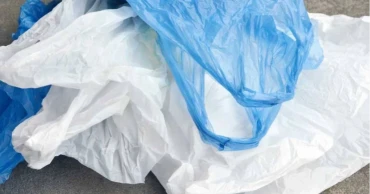
Supermarket customers have expressed support for the recent ban on polythene bags, but raised concerns about the higher cost of alternative shopping bags, which they say has increased their expenses.
They said the supermarkets should offer cheaper eco-friendly shopping bags or freebie shopping bags for small items.
Supermarket staff also said most of their clients appreciate the move to put an end to the use of polythene bags, but a small number of them show a negative attitude to paying for shopping bags.
The no-more-polythene-bag policy is being enforced in super shops from October 1 as part of the government move to stop the use of polythene bags in the country in phases.
Visiting Swapno outlet in Shewrapara on Wednesday, it was seen they were offering customers different types of eco-friendly shopping bags at various prices.
Shahina Sultana, a customer of the outlet on Wednesday said, “We are appreciating the move to ban polythene bags in supermarkets but the prices of non-polythene bags are high to some extent, which will raise our costs.”
Polythene bags banned in superstores from Oct 1: Environment Adviser
The supermarkets should also offer freebie shopping bags for small items or cheaper shopping bags, otherwise they would go to grocery shops, said Shahina, who is an employee of non-government organisation RTM International.
Another client of the outlet, Pijush Chandra Shil, who is also a private university student, said banning the polythene bags is a right decision. “We’re welcoming it for the sake of protecting the environment,” he said.
Manager of the Swapno outlet Shawon Islam said they are offering the shopping bags at various prices from Tk 6 to Tk 16. Though most of the customers purchase the eco-friendly bags with smiling faces, some others show that they are not willing to pay money for shopping bags.
“But we’re facing no major problem after implementation of the no-polythene bag policy in their outlet. Now we need to convince a small portion of clients to pay for shopping bags,” he said.
Shawon however said they offer freebie paper bags for some items including rice, fish and pulse.
Shadat Rasel, a customer of Agora outlet in Shewrapara, said the polythene bags should have been banned 20-25 years ago as it harms the environment.
Environment Advisor Syeda Rizwana urges for using alternatives to polythene shopping bags
“It’s a good initiative. We’re ready to pay for shopping bags. We need to clean non-disposable polythene and plastics to protect the environment. Besides, these items are not hygienic,” said Rasel, a private service-holder.
Manager of Agora outlet Delwar Hossain Jibon said it will take time for the customers to become accustomed to paying for shopping bags. “When the ban on the use of polythene bags is enforced everywhere, a positive mindset would be developed among the people to pay for eco-friendly shopping bags,” he said.
On September 9, Environment, Forest, and Climate Change Adviser Syeda Rizwana Hasan said the use of polythene and polypropylene shopping bags would be banned across all superstores in Bangladesh starting October 1.
With a view to stop the use of polythene bags completely in the country, the Environment Adviser on Tuesday last said the government will strictly enforce the ban on production, storage, transportation, marketing and use of polythene.
A nationwide anti-polythene drive will start in all kitchen markets on November 1 next, she said.
Microplastic in Human Blood: Health Risks and Dangers
2 years ago