Baby food
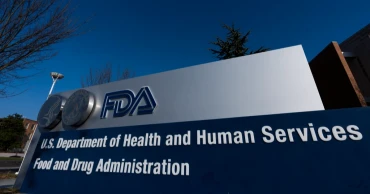
FDA limits toxic lead in some baby foods
The U.S. Food and Drug Administration (FDA) has introduced maximum lead levels for baby foods such as jarred fruits, vegetables, yogurts, and dry cereals, aiming to reduce exposure to the toxic metal linked to developmental and neurological issues in children.
Announced on Monday, the FDA’s final guidance is expected to lower lead exposure in processed baby foods by 20% to 30%. Although the limits are voluntary for manufacturers, the agency can take enforcement action if products exceed the specified levels.
Chinese researchers advance vegetable freshness preservation
The FDA described the initiative as part of its commitment to “reduce dietary exposure to contaminants, including lead, in foods to as low as possible over time, while maintaining access to nutritious foods.”
Consumer advocacy groups welcomed the move but criticized it for being delayed and insufficient. “FDA's actions today are a step forward and will help protect children,” said Thomas Galligan, a scientist at the Center for Science in the Public Interest. “However, the agency took too long to act and ignored important public input that could have strengthened these standards.”
Psychedelic therapy begins in Colorado, causing tension between conservatives and veterans
The new limits apply to children under two years old and cover packaged foods such as fruits, most vegetables, grain and meat mixtures, yogurts, custards, puddings, and single-ingredient meats, with lead limits set at 10 parts per billion. For single-ingredient root vegetables and dry infant cereals, the limit is 20 parts per billion. However, grain-based snacks like teething biscuits, which studies suggest may have higher lead levels, remain unregulated under the new guidelines.
Critics, including Brian Ronholm, director of food policy at Consumer Reports, argued the limits fall short. “The standards are virtually meaningless because they’re based more on industry feasibility and not on what would best protect public health,” Ronholm said.
A Gerber spokesperson confirmed the company’s products meet the FDA’s lead limits.
The U.S. Centers for Disease Control and Prevention (CDC) emphasizes that no level of lead exposure is safe for children, as the metal can harm brain development and slow growth. While some lead naturally occurs in food due to environmental factors like air, water, and soil, the FDA acknowledges it cannot be entirely eliminated.
Jimmy Carter made eradicating Guinea worm disease a top mission
The new guidance follows a public health scare in 2023–2024, when lead-tainted apple cinnamon puree sickened over 560 children across the U.S., with lead levels detected more than 2,000 times higher than the FDA's recommended maximum. The agency clarified that enforcement against such violations does not require prior guidance.
1 year ago
