bleaching
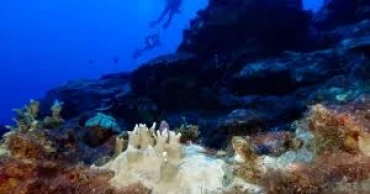
84% of the world’s coral reefs hit by worst bleaching event on record
A record-breaking global coral bleaching event has now affected a staggering 84% of the world’s reefs, according to an update released Wednesday by the International Coral Reef Initiative (ICRI). This marks the worst bleaching event ever recorded and the fourth global incident since 1998—now surpassing the previous peak between 2014 and 2017, which impacted around two-thirds of reefs.
The ongoing crisis, which began in 2023, is being driven by rapidly warming oceans. “This is a turning point,” said Mark Eakin, a retired NOAA scientist and coral expert. “We may never see ocean temperatures drop below the threshold that causes widespread bleaching again.”
UAE offers free-of-charge portable desalination plants to cover arid Cyprus' summer water needs
Last year was the hottest year ever recorded on Earth, with ocean temperatures—particularly in non-polar regions—reaching an average 20.87°C (69.57°F). This is catastrophic for coral, which rely on algae living inside them for nutrients and vibrant color. Prolonged heat stress causes the algae to become toxic, forcing the coral to expel them. What remains is a pale, fragile skeleton, leaving the coral at extreme risk of dying.
Coral reefs are critical ecosystems, often called the “rainforests of the sea” for the diversity of marine life they support—up to 25% of all marine species rely on them. They also play a vital role in food security, coastal protection, and global economies through tourism and fisheries.
The scale of the current bleaching has been so severe that NOAA’s Coral Reef Watch program has had to expand its alert system to accommodate the growing risk of coral death.
While restoration efforts are underway—from coral nurseries in Florida to propagation projects in Dutch labs using fragments from reefs off the Seychelles—scientists emphasize that these efforts are only temporary fixes.
“The only real solution is cutting greenhouse gas emissions,” said Eakin. “Anything short of that is just a Band-Aid.”
Melanie McField, co-chair of the Caribbean Steering Committee for the Global Coral Reef Monitoring Network, stressed the urgency of action. “People need to understand the consequences of doing nothing. Inaction is a death sentence for coral reefs.”
The warnings come amid increased fossil fuel expansion under President Donald Trump’s administration, which has prioritized deregulation and energy development over climate initiatives. Experts caution that dismantling environmental protections will further accelerate reef loss and threaten global marine ecosystems.
“If we don’t act decisively,” Eakin warned, “we risk losing these ecosystems forever.”
1 year ago
