trash into treasure for thousands
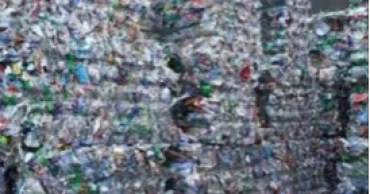
Bangladesh’s recycling economy: Turning trash into treasure for thousands
Recycling in Bangladesh is no longer just about managing waste — it’s about creating livelihoods, reducing poverty, and driving sustainable economic growth.
With the right investments and policy support, the sector could provide secure employment for millions more, while helping the country move toward a greener and more inclusive future, experts defined.
Bangladesh's recycling industry is fast becoming a crucial engine for employment and income generation, particularly for low-income and marginalised communities. As the country grapples with rising urban waste and environmental challenges, recycling has emerged as both an ecological necessity and an economic opportunity.
Two individuals fined a lakh for operating illegal battery recycling factory in Kushtia
In Bangladesh, the burgeoning recycling sector is not only addressing environmental concerns but also emerging as a significant source of employment. From informal waste collection to advanced recycling facilities, the industry is creating diverse job opportunities across the nation.
The sector currently employs over 700,000 people, many of whom are part of the informal waste collection network including waste pickers, sorters, and aggregators. In cities like Dhaka, Chattogram, and Khulna, waste pickers earn a daily income by collecting plastic, paper, metal, and electronic waste, selling it to recycling centers or middlemen. For many, this has become their sole source of livelihood.
A study by the Bangladesh Waste Management Foundation reveals that an individual waste collector can earn between TK 300 to 800 per day, depending on the type and amount of waste collected. Though modest, this income helps support families who would otherwise be unemployed.
Small and medium enterprises (SMEs) in the recycling sector are thriving. In areas like Narayanganj and Gazipur, plastic shredding units, paper mills, and textile recycling units are employing thousands of workers. These jobs include machine operators, sorters, supervisors, and transporters — roles that require minimal formal education but offer regular wages.
"Before joining a recycling unit, I worked as a day labourer with no job security. Now I earn TK 12,000 per month and get paid on time," said Anwara Begum, a worker at a textile recycling plant in Gazipur.
Bangladesh, being the world’s second-largest garment exporter, produces a significant volume of textile waste. The rise of circular fashion and green textile recycling plants is creating new jobs in areas such as sorting, fabric regeneration, and chemical recycling. Local startups and foreign investors are collaborating on projects to upcycle garment waste, with promising job creation potential.
One such initiative, the Circular Apparel Innovation Hub, aims to create over 50,000 new jobs by 2030 , primarily for women, by scaling textile waste recycling technologies.
Fatema Bibi, a plastic sorter, Dhaka told UNB “The work is hard and the smell is bad, but it feeds my family. If we had gloves and proper shelters, life would be better.”
The informal recycling sector plays a pivotal role in waste management. Thousands of workers, predominantly women, are engaged in collecting, sorting, and processing waste materials. In areas like Narayanganj, these workers often endure long hours under challenging conditions for minimal wages. Despite the hardships, this sector provides livelihoods for many who might otherwise lack employment opportunities.
While the informal sector remains the backbone of recycling in Bangladesh, workers often lack safety equipment, job security, and health benefits. Advocates argue that better regulation, training programs, and access to micro-finance can significantly improve earnings and working conditions.
Dr. Salma Akter, a waste management expert at BRAC University, says, "Formalizing informal waste work through cooperatives and municipal partnerships can increase incomes by 25% or more, while also improving environmental outcomes."
Anwara Begum, worker at Textile Recycling Plant, Gazipur, “Before this job, I worked as a maid with irregular pay. Now, I earn TK 12,000 per month and my children go to school. It changed my life.”
Despite the positive trends, challenges persist, including inadequate infrastructure, lack of formal recognition for informal workers, and limited access to advanced recycling technologies.
Addressing these issues through policy support, investment in technology, and worker training programs is essential to fully realize the employment potential of the recycling sector.
Sajid Rahman, a machine operator at Paper Recycling Unit said “I got trained on the job. Now I handle machines and supervise others. It’s honest work, and I’m proud to be part of a growing industry.”
As Bangladesh continues to urbanise and industrialise, the recycling industry stands as a beacon of sustainable development, offering both environmental benefits and vital employment opportunities for its growing population.
In Dhaka, the rise of localised recycling collection centers— known as kachra collection points or bsorting hubs — has become a vital source of employment for thousands. These centers act as intermediaries between informal waste collectors and larger recycling facilities.
“Before this job, I worked irregularly in homes. Now I come to the center every morning and get paid weekly. It's tough work, but better than nothing," Waste Sorter at Mirpur Rina Akter said.
They provide jobs for sorters, balers, transporters, loaders, and basic accounting staff. In areas like Mirpur, Jatrabari, Mohammadpur, and Uttara, these centers not only help streamline the recycling process but also offer steady income opportunities to low-skilled workers, many of whom are from disadvantaged backgrounds.
One of collection centre Manager of Jatrabari Hasibur Rahman “We employ 15 people daily, including women who sort plastic and paper. Most of them are the sole earners for their families.”*
Primary collection service provider (PCSP) manage waste in eveey wards under Dhaka South City Corporation (DSCC) and Dhaka North Ciry Corporation.
Waste Transporter in Mohammadpur Mizanur Rahman said he collected sacks of recyclables from households and deliver them to the center. It’s physical work, but it pays the rent and school fees of children.
In a bid to ensure ecological sustainability, Rajdhani Unnayan Kartripakkha (Rajuk) has implemented its Purbachal, Uttara, and Jhilmil projects without relying on waste dumping. Instead, modern sewerage systems with pipelines have been installed, while transfer stations have been set up for effective waste collection and transportation — ensuring minimal waste is lost or mismanaged.
Rajuk has undertaken several initiatives to promote sustainable waste management. Officials say viewing waste management from a business perspective could make the process not only easier to implement but also economically viable.
An example of such innovation can be seen in Sakhipur, Tangail, where a BUET student has established a small-scale plant on just three kathas of land. The plant processes both human waste and kitchen garbage from nearly 50,000 people, using a proprietary method to produce organic compost. The output is now being used in agriculture and rooftop gardening.
Experts believe that if the government establishes similar transfer stations between urban and rural areas, a large volume of waste could be converted into useful resources.
In Jamalpur, local innovator Toufiqul Rahman is producing petrol, diesel, and kerosene by melting single-use plastics through high-heat local technology. The initiative, known as "polyfuel," has received official approval and is set to be rolled out in all 64 districts, following a Cabinet decision.
Many industrial processes in Bangladesh remain linear — raw materials are used to produce goods, and waste is discarded. If this waste can be recycled, industries could turn it into a source of profit.
To tackle liquid waste, Effluent Treatment Plants (ETPs) have been made mandatory for certain industries, with government-appointed representatives overseeing compliance. Though production costs may slightly increase, officials stress that environmental protection must take priority.
1 year ago