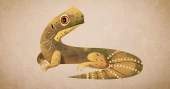
Sanda Lizard
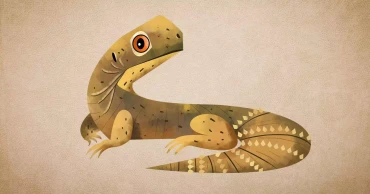
Sanda Lizard: A fascinating reptile of the desert
The Sanda Lizard has been trending recently with a slew of memes on social media talking about eating sanda. But what’s the story behind the lizard?
Also known as Hardwicke’s spiny-tailed lizard (Saara hardwickii), it is a master of survival in one of Earth’s harshest landscapes. Known for its herbivorous diet and burrowing habits, this reptile is not just a desert dweller but a cultural and ecological cornerstone.
A Desert Survivor: Habitat and Distribution
The Sanda Lizard thrives in the arid regions of South Asia, specifically the Thar Desert and Kutch in India, and parts of Pakistan, including Sindh’s Kohistan region near Karachi. Unlike its cousin, the Arabian spiny-tailed lizard (Uromastyx aegyptia), common in Saudi Arabia, the Sanda Lizard prefers firm ground over sandy dunes.
In Kutch, it inhabits elevated patches called "Bets," which stay above monsoon water levels (Roundglass Sustain). These colonial lizards live in loose clusters, digging zig-zagging burrows up to 2 meters long for shelter and hibernation, making them a vital part of the desert ecosystem.
Who Eats the Sanda Lizard?
In India and Pakistan, local communities hunt the Sanda Lizard for its meat and fat. The meat, described as white and chicken-like, is a delicacy in some regions, particularly among certain Hindu castes in India . The tail is especially prized.
However, the fat is the real treasure, boiled into "sanda oil" and used as an embrocation or a supposed aphrodisiac, believed to treat ailments like joint pain and impotence . In Pakistan, vendors in Rawalpindi’s Raja Bazaar sell this oil, marketing it as a stamina booster.
In the wild, the Sanda Lizard is a key prey species for raptors like the Laggar Falcon and Tawny Eagle, which feed on it, reinforcing its ecological importance. Desert foxes and snakes also target it, drawn to its colonial burrows.
1 year ago