proportional representation system
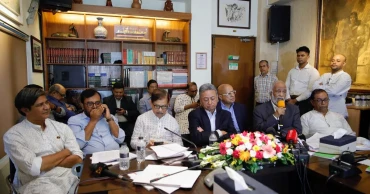
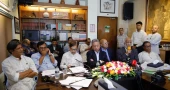
Moyeen Khan rejects proportional representation system
Strongly opposing the introduction of a proportional representation (PR) system, BNP senior leader Dr Abdul Moyeen Khan on Saturday said it would only strengthen political parties while weakening the link between people and their elected representatives, ultimately causing suffering for the public.
“PR basically weakens the position of an individual representative and strengthens the party instead,” he said while speaking at a seminar.
The seminar, titled ‘Election 2026: A Critical Look at Proportional Representation’, was arranged by Cosmos Foundation, the philanthropic arm of Cosmos Group, at the Cosmos Centre in the capital’s Moghbazar area. United News of Bangladesh (UNB) was the media partner of the event.
Under the PR system, Dr Moyeen, a BNP Standing Committee member, said people would vote for a party, not an individual, and the party would then decide who becomes a member of parliament. “This goes against our fundamental democratic spirit, where people elect their own representatives who are directly accountable to them.”
He warned that making parties stronger while weakening individuals would create a “self-contradictory system,” noting that in Bangladesh, people have always wanted to prevent political parties from becoming too powerful.
“Whenever political parties became too strong in the last 54 years, it ultimately brought suffering for the people,” the BNP leader said.
Dr Moyeen Khan also observed that Bangladeshis are not yet mentally or intellectually prepared for such a complicated electoral process. “People here want a simple system where they can clearly understand who represents them and who they are voting for.”
11 months ago
BNP opposes proportional representation in elections
While several political parties have shown support for introducing a proportional representation system in parliamentary elections, Bangladesh Nationalist Party (BNP) has voiced strong objections to the idea during the ongoing discussions with the National Consensus Commission.
Following Thursday’s second phase of talks, BNP Standing Committee member Salahuddin Ahmed said the political context of Bangladesh does not align with proportional elections.
If such a system is introduced, the government would face serious difficulties in making decisions in Parliament, he said.
“Many federal countries follow this method of election. But Bangladesh is not a federal state; it is a republic. Although some republics do have proportional representation, this system does not suit the political culture of Bangladesh at all," Salahuddin added.
Under such a system, Salahuddin said, passing legislation or amending the Constitution—both of which require a two-thirds majority in Parliament—would become highly challenging.
“Even securing 50 percent of the vote would become difficult,” he warned.
BNP forms committee to observe August-5 anniversary
During Thursday’s session, several political parties proposed that citizens should vote for parties rather than individual candidates.
Based on this system, the number of seats in Parliament would reflect the percentage of votes each party received—meaning a party receiving 10 percent of the vote would be allocated 30 out of 300 seats.
On the issue of electing the President, Salahuddin expressed support for the secret ballot system.
He said, “Since we have already agreed that, apart from four exceptions—confidence motions, money bills, constitutional amendments, and national security—MPs should have the freedom to vote independently, we have no objection to the President being elected by secret ballot.”
Regarding the tenure of the Prime Minister, Salahuddin said the discussion was only just beginning and no resolution had yet been reached.
“To resist autocracy and prevent dictatorship, we agree that no one should serve as Prime Minister for more than two consecutive terms. However, whether a person can return to the post after skipping a term is still under discussion," he said.
BNP disapproves NCC formation, says Salahuddin
The Commission is set to resume discussions with political parties on Sunday.
The next round of talks will cover topics such as the Prime Minister’s tenure, the Constitution and fundamental principles of the State, and the demarcation of electoral constituencies.
1 year ago