NIH funding
NIH funding cuts threaten patients with experimental brain implants
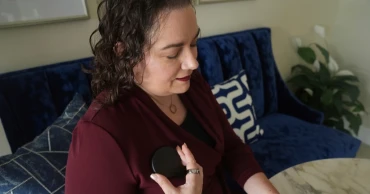
Carol Seeger escaped years of debilitating depression through an experimental brain implant — electrodes in her brain and a pacemaker-like device in her chest. But when the device’s battery died, her insurance refused to cover the replacement. She spiraled back into darkness.
Her story reflects a growing crisis facing hundreds of patients with experimental neural implants for conditions like depression and paralysis. After clinical trials end, many are left without guaranteed maintenance, support, or insurance coverage for the devices.
Harvard researcher Gabriel Lázaro-Muñoz led a project to address this gap by building partnerships among researchers, device makers, and policymakers. But that effort stalled after the Trump administration abruptly canceled hundreds of NIH grants, including his.
Science and local sleuthing uncover 250-year-old Shipwreck on Scottish Island
Unlike approved medications, implanted devices require maintenance, surgeries, and costly parts. Insurance usually doesn’t cover these for experimental devices. A single battery replacement surgery can cost over $15,000.
Patients like Seeger and Brandy Ellis, who joined trials for deep brain stimulation (DBS) as a last resort, now face uncertainty. Though Ellis’s insurance has so far covered battery replacements, she fears future denial. Seeger had to rely on hospital aid to restore her device after a four-month lapse.
Device makers aren’t obligated to continue support post-trial. The FDA mandates informed consent for clinical risks but not long-term care plans.
“This is a treatment that works — but only while the device works,” Ellis said.
Lázaro-Muñoz stressed that society has a responsibility to support those who took health risks for scientific progress.
7 months ago