mexico-scientist
Mexico uses buried pigs and high-tech tools to search for its missing
In a bold scientific effort to locate thousands of missing persons, researchers in Mexico are burying pigs dressed in human clothes and studying their decomposition using advanced technology.
The pigs, buried under varying conditions — wrapped in blankets, burned, or sealed in plastic — serve as stand-ins for human bodies. The aim is to refine satellite imagery, thermal drones, and hyperspectral cameras to detect clandestine graves, especially in cartel-dominated areas like Jalisco, which has the highest number of reported disappearances in Mexico.
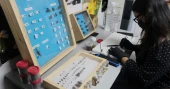
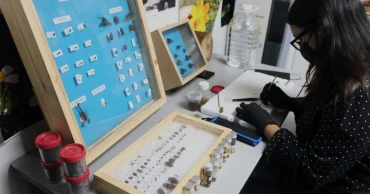
The project, launched in 2023 by Guadalajara University, Mexico’s National Autonomous University, and the University of Oxford, is supported by the Jalisco Search Commission. Scientists are studying how light, soil, flowers, and insects react to decomposing bodies.
“Flowers came up because of the phosphorous at the surface,” said project coordinator José Luis Silván, noting how families often use such signs during their own searches.
NIH funding cuts expose hidden crisis for patients with experimental brain implants
Mexico has over 130,000 missing people — more than any other country in Latin America. Since 2007, about 6,000 mass graves have been uncovered, mostly by family members searching with minimal official help.
Though the research is ongoing, the Jalisco commission is already using some of the tools in real cases. Families of the missing are also contributing their expertise, often identifying grave sites based on vegetation and soil changes alone.
Experts caution that while technology offers new possibilities, most discoveries still rely on witness accounts and physical digging. “Technology is not a panacea,” said Canadian forensic anthropologist Derek Congram. “But you always have to try, fail, and keep trying.”
6 months ago