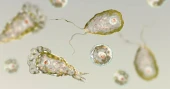
Causes of Brain-eating Amoeba Infection
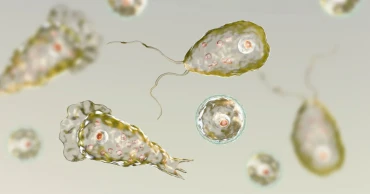
Deadly Brain-eating Amoeba: How It Spreads, Causes, Symptoms, and Treatment
The troubling surge of the free-living microbe infamously called the brain-eating amoeba is casting a shadow of deadly threat across Kerala in India. Once spotted mainly in a few districts such as Kozhikode and Malappuram, infections are now surfacing more widely. The organism heightens concern among doctors and health officials. Its characteristics, equal parts scientific fact and public dread, stem from the severe infection it can trigger once it reaches the brain. Let’s take a closer look at how this elusive brain-eating amoeba spreads and outline the key causes, symptoms, and treatments.
What is Brain-eating Amoeba: How It Spreads
A rare but devastating brain infection, Primary Amoebic Meningoencephalitis (PAM), is caused by ‘Naegleria fowleri’ – a tiny organism more chillingly nicknamed the ‘brain-eating amoeba’. Though infrequent, it strikes with alarming severity, targeting the central nervous system and rapidly destroying delicate brain tissue. Victims often experience sudden swelling of the brain, and in most cases, the illness proves fatal.
This amoeba thrives in warm, stagnant freshwater such as ponds, lakes, or poorly maintained pools. It typically invades the body through the nose, passing along the olfactory nerves and through the cribriform plate before advancing toward the brain tissue. Importantly, swallowing contaminated water does not lead to illness. Those swimming, diving, or bathing in untreated water are most at risk – yet the infection cannot spread between people.
Read more: First Aid Tips for Snake Bite: On-field Do’s and Don’ts for Emergency Response
The Alarming Prevalence
So far this year, more than 70 people have fallen ill, with 61 confirmed cases of PAM and 19 deaths recorded in Kerala – several of them in just the past few weeks. The age range of patients has been strikingly broad, from a tiny three-month-old infant to a man in his nineties.
In late August, a three-month-old baby and a 52-year-old woman in Kozhikode succumbed to the infection, only weeks after a nine-year-old girl’s death earlier that month. State hospitals continue to treat several active cases, stretching from small children to older adults.
Root Causes of the Infection
Rising global temperatures are quietly shaping the conditions in which ‘Naegleria fowleri’ thrives. As climate change warms lakes, ponds, and other freshwater bodies, the amoeba gains a wider window to multiply. The sweltering heat also drives more people to seek relief in natural water sources, unwittingly increasing the likelihood of contact.
Read more: How to Stay Safe from Devil's Breath
Moreover, PAM is far more common during hot months, particularly when people swim, dive, or bath in warm, often stagnant freshwater.
10 months ago