protests in Iran
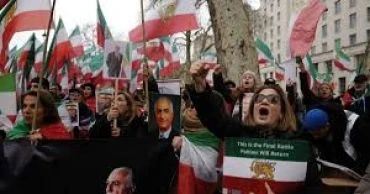
Iranian students hold first large anti-government protests since deadly crackdown
Students from several Iranian universities have staged anti-government demonstrations—the largest since last month’s deadly security crackdown.
The BBC has verified footage showing protesters marching across the campus of Sharif University of Technology in Tehran on Saturday. Clashes were later reported between demonstrators and pro-government supporters.
Other demonstrations included a sit-in at Shahid Beheshti University in the capital and a rally in the northeast city of Mashhad. Students were commemorating those killed in mass protests in January.
Meanwhile, the US has been increasing its military presence near Iran, and President Donald Trump has indicated that a limited military strike is under consideration. The US and European allies have expressed concerns over Iran’s nuclear ambitions, which Tehran continues to deny.
US and Iranian officials met in Switzerland on Tuesday, reporting progress in negotiations aimed at limiting Iran’s nuclear program. Nevertheless, Trump later warned that the world would know within about ten days whether a deal would be reached or if military action would follow. He has previously expressed support for Iranian protesters, even suggesting that “help is on its way.”
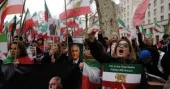
Verified footage from Sharif University shows hundreds of students, many waving Iranian flags, marching peacefully while chanting slogans such as “death to the dictator,” directed at Supreme Leader Ayatollah Ali Khamenei. Nearby, supporters of a pro-government rally were also present, and confrontations reportedly broke out between the two groups.
Similar demonstrations were verified at Amir Kabir University of Technology, and in Mashhad, students reportedly shouted “Freedom, freedom” and “Students, shout for your rights.” Additional protests were reported in other locations, with calls for further rallies on Sunday. There are no immediate reports of arrests.
The protests last month, initially sparked by economic grievances, escalated into the largest demonstrations since the 1979 Islamic Revolution. According to the US-based Human Rights Activists News Agency (Hrana), at least 6,159 people were killed during that period, including 5,804 protesters, 92 children, and 214 government-affiliated individuals, with investigations continuing into another 17,000 reported deaths. Iranian authorities have acknowledged more than 3,100 deaths, mostly security personnel or bystanders, blaming “rioters” for the fatalities.
Saturday’s protests come amid heightened tensions, with Iranian authorities preparing for potential conflict with the US. Exiled opposition groups have urged Trump to take action against the Iranian government, while other factions oppose foreign intervention. Both sides have also engaged in social media campaigns, attempting to shape international narratives about the will of the Iranian people.
Source: BBC
7 months ago
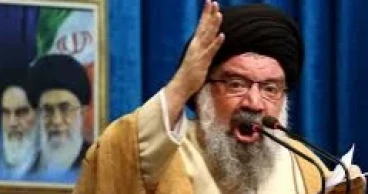
No new protests in Iran amid threats from hard-line cleric
Iran appeared to have slipped back into a tense calm following weeks of unrest that ended in a violent government crackdown. On Friday, a senior conservative cleric called for the execution of detained protesters and openly threatened U.S. President Donald Trump, underscoring the anger and anxiety gripping Iran’s leadership.
At the same time, Trump adopted a more measured tone, expressing appreciation toward Iranian officials for refraining from executing hundreds of detainees. His comments suggested a possible step back from military action. Trump has previously warned that executions and the killing of peaceful demonstrators would cross U.S. “red lines.”
The harsh suppression of protests—reportedly leaving thousands dead—appears to have halted demonstrations that began on Dec. 28 over economic grievances and later evolved into direct challenges to Iran’s ruling system.
In Tehran, daily life seemed to return to the surface-level normalcy, with shops open and streets busy, although an internet shutdown that began a week earlier remained in effect. Authorities reported no new unrest elsewhere in the country.
“Iran canceled the hanging of more than 800 people,” Trump told reporters in Washington, saying he respected the decision. He did not specify who in Iran had confirmed this information.
The U.S.-based Human Rights Activists News Agency reported a death toll of 3,090 as of Friday—higher than any previous unrest in Iran in decades and reminiscent of the turmoil surrounding the 1979 revolution. While the figure could not be independently verified by the AP, the organization has historically relied on a credible network of activists inside Iran. The Iranian government has released no official casualty numbers.
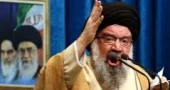
Hard-line cleric delivers incendiary sermonState radio broadcast a sermon by Ayatollah Ahmad Khatami that drew chants such as “Armed hypocrites should be executed!” from worshippers. Khatami, a member of both the Assembly of Experts and the Guardian Council, labeled protesters as agents of Israeli Prime Minister Benjamin Netanyahu and “soldiers of Trump.”
He warned that both Netanyahu and Trump should expect severe retaliation, declaring that “Americans and Zionists should not expect peace.”
His remarks came as international efforts sought to ease tensions. Russian President Vladimir Putin spoke separately with Iranian President Masoud Pezeshkian and Israeli Prime Minister Netanyahu, according to the Kremlin. Russia, previously quiet about the protests, has been strained by its prolonged war in Ukraine and recent setbacks involving key allies.
Exiled royal urges protests to continueAlthough Trump had earlier promised that “help is on its way,” both protests and the likelihood of U.S. military action appeared to fade. A diplomat told the AP that officials from Egypt, Oman, Saudi Arabia, and Qatar warned Trump that military intervention could destabilize the region and harm the global economy.
Iran’s exiled Crown Prince Reza Pahlavi urged the U.S. to follow through on its promises. Speaking in Washington, he said he still trusted Trump’s commitment and insisted that Iranians must continue their struggle regardless of foreign intervention.
“I will return to Iran,” Pahlavi said, later calling on protesters to resume demonstrations from Saturday through Monday.
Despite limited support inside Iran, Pahlavi continues to position himself as a potential transitional leader should the government collapse.
Authorities detail damage from unrestKhatami also released the first official estimates of damage caused during the protests, claiming that hundreds of mosques, prayer halls, hospitals, ambulances, and emergency vehicles were damaged, along with dozens of homes belonging to Friday prayer leaders—figures that highlight public anger toward state institutions.
While protests inside Iran appear to have subsided, large demonstrations by exiled Iranians and supporters have taken place across Europe.
Due to the internet shutdown, some Iranians crossed borders to communicate with the outside world. At Turkey’s Van province border, travelers said they were leaving Iran temporarily to bypass the blackout.
“I’ll return once the internet is restored,” said Mehdi, who withheld his last name for security reasons.
Exiled crown prince urges world support to topple Iran government
Some Turkish citizens also fled the unrest. Mehmet Önder, a Turkish textile businessman, said he heard heavy gunfire while sheltering in Tehran. Based on his military experience, he said the weapons used were machine guns, not light firearms.
Adding to regional tensions, a Kurdish separatist group based in Iraq claimed responsibility for recent attacks on Iran’s Revolutionary Guard, saying the strikes were retaliation for Tehran’s violent crackdown and were carried out by its fighters operating inside Iran.
8 months ago