World’s largest nuclear plant
TEPCO suspends restart of Japan’s largest nuclear reactor hours after resuming
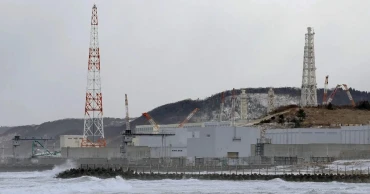
The restart of the world’s largest nuclear power plant was halted Thursday, just hours after resuming for the first time since the 2011 Fukushima disaster.
Tokyo Electric Power Company Holdings (TEPCO), operator of the Kashiwazaki-Kariwa plant in north-central Japan said, the suspension of the No. 6 reactor was caused by a technical glitch involving control rods, which are crucial for safely starting and shutting down reactors. TEPCO confirmed there was no safety risk and said it was assessing the situation, but did not provide a timeline for when operations would resume.
The restart of the Kashiwazaki-Kariwa facility is being closely watched, as TEPCO also manages the Fukushima Daiichi plant, which suffered meltdowns following the 2011 earthquake and tsunami. Japan, which has limited domestic energy resources, is accelerating its use of nuclear power to meet rising electricity demand.
All seven reactors at Kashiwazaki-Kariwa have been offline since 2012, a year after the Fukushima disaster, which left surrounding areas contaminated with radioactive fallout. TEPCO continues to manage the ongoing cleanup at Fukushima, with costs estimated at 22 trillion yen ($139 billion), while also working to restore public trust after investigations highlighted the company’s poor safety culture and collusion with regulators.
Since 2011, 14 other nuclear reactors have resumed operations across Japan. Kashiwazaki-Kariwa, located about 220 kilometers northwest of Tokyo, marks the first TEPCO-run unit to restart. The No. 6 reactor alone could produce 1.35 million kilowatts of electricity, enough for over a million households in the capital region.
Read More: Power restored to Ukraine’s Zaporizhzhia nuclear plant after monthlong outage
With a combined capacity of 8 million kilowatts, Kashiwazaki-Kariwa remains the world’s largest nuclear plant, though TEPCO plans to gradually bring only two of its seven reactors back online in the coming years.
8 months ago