utility services
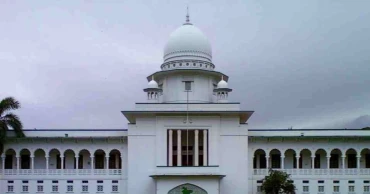
Court bars disconnection of utility services to under-construction buildings
The High Court has issued a six-month injunction restraining the authorities concerned from disconnecting electricity, gas and water connections to under-construction buildings in Dhaka.
The order came in response to a writ petition filed by the Real Estate and Housing Association of Bangladesh (REHAB), seeking protection against the disconnection of utility services at construction sites.
According to a media release issued by REHAB on Sunday afternoon, the court directed that during this period, WASA, RAJUK and the power division will not be able to disconnect any utility connections.
Crowds surge on final day of REHAB Fair 2025 as buyers seek dream homes
The bench of Justice Sikder Mahmudur Razi and Justice Raziuddin Ahmed passed the order recently.
During the hearing, REHAB placed before the court the possible adverse impacts of disconnecting utility services.
Taking these submissions into account, the court issued the interim order considering humanitarian aspects, including the daily lives of families living in partially constructed buildings and their dependence on water and electricity.
In its order, the court said the authorities must refrain from disconnecting electricity lines, water connections or any other utility services for the next six months and maintain the status quo until final disposal of the matter.
As a result of the order, owners and developers of the concerned buildings will get immediate relief from potential hardships.
The court noted that disconnection of water and electricity often creates severe crises, which it took into consideration while issuing the injunction.
REHAB said that over the past few months, more than 1,200 electricity meters were disconnected from various under-construction and partially completed buildings with the assistance of RAJUK, DESCO, DPDC and other power distribution companies.
The association claimed that the disconnection of electricity and utility services at developers’ projects had effectively stalled many construction works. As a result, construction activities were halted, workers and related employees lost their jobs, flat handovers were delayed, and developers suffered significant financial losses.
It also created complications such as difficulties in repaying bank loans, maintaining contracts with clients and stagnation of investments, which have had an overall negative impact on the housing sector, REHAB added.
Citing these realities, REHAB moved the court, which subsequently issued the interim injunction against the authorities concerned.
8 months ago