Nutritionist Leema Mahajan
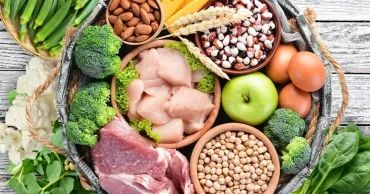
3 common high-protein diet mistakes and how to avoid them, says nutritionist
High-protein diets have become increasingly popular for weight loss and muscle building, but many people experience bloating, fatigue, constipation, or discomfort after upping their protein intake. Experts say the problem usually lies not in protein itself, but in how it is incorporated into the diet.
Nutritionist Leema Mahajan recently shared on Instagram the most frequent mistakes people make while following a high-protein diet.
Mistake 1: Not drinking enough waterHigh protein increases urea production, which the body needs water to flush out through the kidneys. Without sufficient hydration, symptoms such as headaches, fatigue, dark urine, and constipation can occur. “Protein itself does not dehydrate you. Poor hydration does,” Mahajan explained.
Mistake 2: Reducing fibre intakeSome people replace meals with protein shakes or cut carbohydrates entirely, which removes fibre from the diet. Protein powders contain almost no fibre, and reducing fruits, vegetables, whole grains, and legumes can slow digestion, causing bloating and constipation. According to Mahajan, these issues arise from low fibre and inadequate water, not protein.
Read More: Nutritionist warns: 5 protein-rich foods that may actually cause weight gain
Mistake 3: Cutting down fruits and vegetablesAnimal-heavy high-protein diets can increase the body’s acid load. Potassium, mainly found in fruits and vegetables, helps neutralise this acidity. Eliminating these foods can lead to cramps, bloating, kidney stress, and blood pressure problems. Studies show the risk comes from high protein combined with low potassium intake.
Mahajan advised gradually increasing protein while maintaining sufficient water, fibre, and potassium from plant sources. “Protein works best when it is supported, not isolated,” she said.
Source: NDTV
8 months ago