dilapidated state of hospital
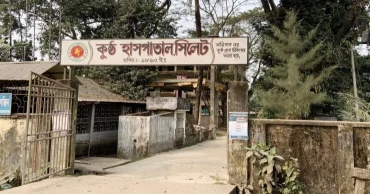
Neglect haunts Sylhet’s historic leprosy hospital
Cracks running across the walls, rainwater seeping through the roof and chunks of plaster peeling away have become part of daily life at the Sylhet Leprosy Hospital, raising growing concerns about patient safety and the quality of care.
The 135-year-old hospital, one of only three specialised government leprosy facilities in Bangladesh, is now in a visibly dilapidated state.
Visits to the hospital showed that toilets without doors, dirty bathrooms and broken medical equipment have left patients and staff worried that treatment inside the building has become increasingly risky.
Established in 1890, the hospital sits on 4.72 acres of land and has an official capacity of 80 beds, though only 48 are currently usable.
According to hospital records, 19 patients were admitted to its three wards on January 24, while an average of 15 to 20 people seek treatment daily at the outpatient department (OPD).
250-bed Khulna hospital project withdrawn from PPP list
During a recent visit, all three patient toilets were found without doors, televisions in the wards were broken, and cracks were visible in several parts of the building.
Staff told the UNB correspondent that the situation worsens during the rainy season. “Rainwater enters through the roof when it rains, creating panic among both patients and employees,” said Md Monirul Islam, the hospital’s statistical officer.
He also pointed out a rise in the number of identified leprosy patients in the Sylhet region in recent years. “There were 20 patients in 2020, 37 in 2021, 35 in 2022, 79 in 2023, 58 in 2024 and 58 so far in 2025.”
Doctors at the hospital explained that leprosy is mildly contagious and spreads through germs transmitted by sneezing and coughing. Early symptoms include light-coloured or reddish patches on the skin that do not itch, sweat or grow hair.
Other warning signs include painless lumps on the face, neck, chest or back, swelling of the earlobes, and loss of sensation in the hands, feet or eyes.
Sylhet Deputy Civil Surgeon Janmejoy Dutta said the higher number of detected cases does not necessarily indicate a wider spread of the disease. “Earlier, many cases were not identified. Now awareness has increased, and people are coming forward for treatment.”
He said the Health Department aims to eliminate leprosy by 2030, with both government and non-government organisations working together towards that goal.
Hospital officials say the building’s condition has been deteriorating for decades.
“A single floor was added to the original structure in 1963, and later a three-storey building was constructed gradually. The building is very old and in extremely poor condition. We have informed the authorities several times, but no action has been taken,” Monirul Islam alleged.
Staff fears are echoed by patients.
“It is a very dangerous building. A major accident could happen at any time,” warned Sabbir Ahmed, a head assistant at the hospital, noting that plaster often falls from the walls during the rainy season.
A 70-year-old patient, who wished to remain anonymous, said, “My hands have deteriorated. I had to do all the tests outside because there is no proper system here.”
Another patient, aged 65, who has been admitted weeks back, said, “The doctor comes only once a day. Staying in the building is frightening. Something could fall at any moment.”
Outpatient Akhter Hossain said patients waiting for treatment constantly fear debris falling from the ceiling.
The hospital is also struggling with acute staff shortages. Only 29 staff members are currently working against an approved strength of 50. A post for making special shoes for leprosy patients has remained vacant since 2021.
A cleaner said the shortage has had a visible impact. “Earlier, even six cleaners were not enough. Now only four of us are working,” he said.
Another staff member said all patient testing has stopped due to a lack of manpower, while most medical equipment remains unusable.
Junior Consultant Dr Nahid Rahman described the situation as deeply concerning. “Sylhet Leprosy Hospital is the largest of its kind in Bangladesh, but its condition is extremely poor. We have repeatedly informed higher authorities, but no steps have been taken,” he lamented.
8 months ago