Make art more accessible
Italy uses creative ways to make art more accessible for blind people
Italy is finding new and creative ways to make its rich art and history accessible to blind and visually impaired people, allowing them to experience famous landmarks and artworks through touch, sound and imagination rather than sight.
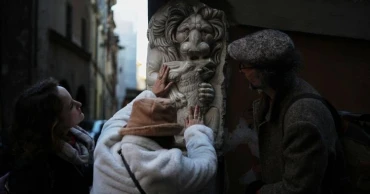
On a recent evening, after tourists had left Rome’s Colosseum, a small group gathered outside the ancient structure for a special tour designed for people with little or no vision. Instead of looking, they listened carefully and used their hands to understand the monument’s shape and history.
Among them was 54-year-old Michela Marcato, who has been blind since birth. As the guide spoke, she explored a small model of the Colosseum with her fingers. Feeling its arches and curves helped her realize something she had never known before — the building’s oval shape.
“Walking around it, I would never have understood that,” she said. “But holding the model makes it clear.”
Italy’s popular tourist sites have long posed challenges for people with disabilities, from narrow entrances to uneven paths. But since 2021, the country has stepped up efforts to improve access, using European Union recovery funds to remove physical barriers and introduce inclusive visitor experiences.
AI-powered apps reshape self-perception for blind users
At Pompeii, new braille signs, audio guides, tactile models and raised replicas of artifacts now help blind visitors explore the vast ruins. Florence has also published detailed guides explaining which routes and museums are accessible and what assistance may be needed.
Experts say inclusive tourism is not only about rights but also about economic sense. According to the World Tourism Organization, many older travelers have disabilities, and they often travel with companions.
Tour guide Giorgio Guardi, who leads accessible tours in Rome, said the goal is to create meaningful experiences for everyone. His group often holds nighttime tours to reduce noise and crowds. When touching monuments isn’t possible, guides use creative methods such as asking visitors to physically recreate the pose of a famous statue to understand its form and emotion.
Italy is also home to the Museo Omero in Ancona, the country’s only publicly funded tactile museum, where visitors are encouraged to touch the artworks. Founded by two blind art lovers, the museum features replicas of famous sculptures and modern works by blind artists.
For Marcato, art is about memory and sensation. Though she cannot see a large painting of the sea in her home, it reminds her of ocean sounds, smells and walks along the shore.
“It’s a way of feeling art,” she said, “that has nothing to do with seeing.”
8 months ago