Pakistan strikes
Pakistan strikes militant hideouts along Afghan border after deadly attacks
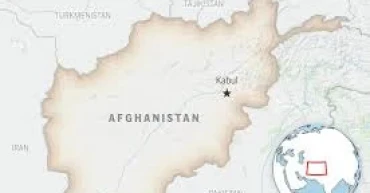
Pakistan announced early Sunday that it had conducted strikes along its border with Afghanistan, targeting hideouts of Pakistani militants it holds responsible for a recent wave of deadly attacks inside the country.
While Pakistan did not specify the exact locations of the strikes or provide further details, reports circulating on social media indicated that the operations took place within Afghan territory. Kabul has yet to comment on the strikes.
In a statement posted on X before dawn, Information Minister Attaullah Tarar described the military’s actions as “intelligence-based, selective operations,” aimed at seven camps belonging to the Pakistani Taliban, also known as Tehrik-e-Taliban Pakistan (TTP), as well as its affiliates. He also confirmed that an affiliate of the Islamic State (ISIS) group was targeted in the border region.
Earlier in October, Pakistan had conducted similar strikes inside Afghanistan, targeting militant hideouts.
Trump's Afghanistan claim sparks anger in UK
Tarar emphasized that Pakistan “has always strived to maintain peace and stability in the region,” but affirmed that the safety and security of its citizens remained a top priority.
These latest strikes follow a surge in violence, including a suicide bombing earlier in the week in Bajaur district, which borders Afghanistan. A vehicle laden with explosives was rammed into a security post, collapsing part of the compound and killing 11 soldiers and a child. Authorities later identified the attacker as an Afghan national.
Just hours before the cross-border strikes, another suicide bombing targeted a security convoy in nearby Bannu district, killing two soldiers, including a lieutenant colonel. Following the violence, Pakistan’s military issued a stern warning, stating it would not “exercise any restraint” and would continue operations against those responsible, “irrespective of their location,” signaling growing tensions between Islamabad and Kabul.
Tarar further stated that Pakistan had “conclusive evidence” linking the recent attacks — including a suicide bombing that killed 31 worshippers at a Shiite mosque in Islamabad earlier this month — to militants operating under the direction of Afghanistan-based leaders. He claimed that despite repeated requests for action, Afghanistan’s Taliban rulers had failed to take meaningful steps to prevent militant groups from using Afghan soil to stage attacks on Pakistan.
Pakistan has urged the international community to press the Taliban in Afghanistan to honor their commitments under the Doha Agreement, specifically the pledge not to allow Afghan territory to be used for attacks against other countries.
The surge in militant violence in Pakistan has largely been attributed to the TTP and banned separatist groups from Balochistan. While the TTP is not directly affiliated with Afghanistan’s Taliban, the two share close ties. Pakistan accuses the TTP of operating from safe havens inside Afghanistan, a claim that both the group and Kabul deny.
Relations between Pakistan and Afghanistan have been strained since October, when deadly border clashes resulted in numerous casualties, including soldiers, civilians, and militants. These clashes followed bombings in Kabul, which Afghan officials blamed on Pakistan.
Though a ceasefire mediated by Qatar has mostly held, talks in Istanbul failed to reach a formal agreement, and tensions between the two countries remain high.
3 months ago