Rangpur’s Khalashpir coalfield
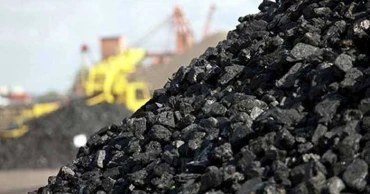
Rangpur’s Khalashpir coalfield, iron ore spark renewed policy interest
Beneath the quiet agricultural landscape of Pirganj upazila in Rangpur lies a long-standing but largely untapped story of coal reserves and iron-rich mineral deposits, now drawing renewed attention from policymakers and experts.
Recent reviews of historical data, alongside ongoing exploration, have highlighted the significant potential of the Khalashpir coalfield and surrounding areas.
However, officials said comprehensive feasibility studies are still needed before any commercial extraction can begin.
A resource identified decades ago
Interest in Khalashpir dates back to 1959–62 when the then Geological Survey of Pakistan first identified coal potential in the Gondwana Basin during exploratory work in the area.
Further exploration by Geological Survey of Bangladesh (GSB) in 1989–90 involved drilling four wells across a 25-square-kilometre area. Three of these confirmed the presence of high-quality bituminous coal at depths between 257 and 451 metres.
Initial estimates indicated around 143 million metric tonnes of coal within a 2.52-square-kilometre zone. Later studies suggested significantly larger reserves, according to official documents gleaned by UNB.
In 2006, a study by CJMDC estimated approximately 705.69 million tonnes of coal across a 7.62-square-kilometre area.
Around the same time, Hosaf International Ltd., in collaboration with a consortium including Shandong-Ludi and Xinwen Mining Group, conducted a techno-economic feasibility study after obtaining a licence from the Bureau of Mineral Development.
During 2005–06, the consortium drilled 11 additional boreholes, leading to a preliminary estimate of about 685 million metric tonnes of coal spread over 12.25 square kilometres in Khalashpir coalfield.
Need for updated feasibility assessment
Despite these promising findings, no commercial extraction has yet taken place.
In 2009, the Hydrocarbon Unit reviewed earlier studies with technical assistance from UK-based International Mining Consultants Group Consulting Limited.
The review identified limitations in previous assessments and recommended a comprehensive, full-scale feasibility study.
Officials say such a study remains essential to evaluate environmental, technical and economic viability before any final decision is made.
“Existing data are encouraging, but not sufficient for commercial development,” an official said. “A detailed and updated feasibility study is required.”
Iron-rich mineral potential
In addition to coal, Pirganj has also shown promise for iron-rich mineral deposits.
Geological exploration in Shanerhat area during 1965–66 revealed the presence of metal-rich ores.
Subsequent drilling by the GSB in 1999–2000 and again in the 2023–24 fiscal year confirmed the presence of iron and other metallic elements through preliminary analysis.
A new exploration well is currently being drilled in the Chhota Paharpur (Shanerhat) area to determine the extent of the resource and assess its suitability for commercial extraction.
Experts say further drilling and detailed laboratory analysis will be necessary to confirm the quantity and quality of these deposits.
Balancing development and sustainability
While the findings offer potential opportunities for reducing import dependence and strengthening the energy and industrial sectors, experts stress the need for careful planning.
Coal mining, particularly in densely populated and agricultural regions, poses environmental and social challenges including land use, water management and displacement risks.
Similarly, any development of iron ore resources will require strong regulatory oversight and environmental safeguards.
Officials emphasised that future decisions will be guided by scientific evidence and sustainability considerations.
“The potential is significant, but development must be responsible and well-planned,” an energy sector official said.
6 months ago