Shariah boards
BB Governor pledges 'full protection' for Shariah boards to ensure banking integrity
Bangladesh Bank (BB) Governor has assured Shariah board members of ‘full protection’ and functional independence, urging them to work without political influence to restore discipline in the country’s Islamic banking sector.
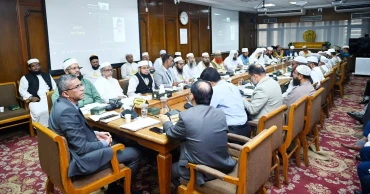
“You, the members of the Shariah boards, will work independently; full protection will be provided to you by the Central Bank,” the Governor said while presiding over a high-level view-exchange meeting titled "Current Status, Challenges, and Future Way Forward of Islamic Banking" held at the central bank headquarters recently.
This marked the first time a BB Governor sat with top Shariah experts, including members of the newly formed BB Shariah Advisory Board, chairmen of Shariah boards from almost all Islamic banks, and renowned Islamic scholars and academics.
In his opening remarks, the Governor noted that money laundering incidents had occurred in several Islamic banking institutions in the past, primarily due to a lack of "proper supervision."
He emphasized that since Islamic banking is designed to be asset-backed, such losses should not occur if the system is implemented authentically.
"The fact that losses occurred is a matter of deep concern for us," he said, adding that empowering Shariah boards is the only way to re-establish effective oversight.
During the meeting, Islamic scholars and experts presented a series of strategic recommendations to strengthen governance:
Urgent enactment of a dedicated "Islamic Banking Act" and the appointment of a separate Deputy Governor and Executive Director at Bangladesh Bank to oversee the sector.
Granting Shariah Supervisory Committees the legal right to work independently of the Board of Directors. It was proposed that the consent of at least three Shariah board members be mandatory for approving large investments.
Ensuring that Shariah supervisors (Murakibs) are protected from management pressure so they can provide neutral audit reports.
Establishing a Shariah Governance Framework modeled after Bank Negara Malaysia and creating a world-class research center and library under Bangladesh Bank to make Bangladesh an "Islamic Banking Hub."
And finally capacity building, in the form of mandatory Shariah banking knowledge for the Board of Directors and a requirement for Bank MDs and top executives to hold recognized certificates in Islamic finance.
The meeting also discussed the situation of five troubled Islamic banks (under the United Islamic Bank umbrella). Scholars urged the central bank to recognize the share value of existing shareholders to mitigate dissatisfaction and requested liquidity support on easy terms for struggling banks.
The Governor concluded by stressing that banks and hospitals should operate solely as service-oriented institutions, free from political interference.
He also expressed interest in hosting international Islamic finance conferences in Bangladesh, inviting world-renowned scholars like Justice Taqi Usmani.
The meeting was attended by prominent scholars including Prof. Dr. Abu Bakar Rafique, Dr. Mohammad Manzur-e-Elahi, Dr. Mufti Yousuf Sultan, and representatives from almost all major Islamic and conventional banks operating Islamic wings.
6 months ago