US warns
US warns shipping firms of sanctions over Iran toll payments in Hormuz
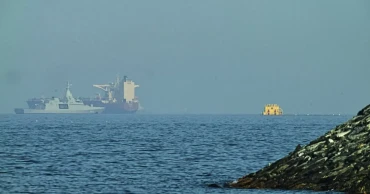
The United States has warned global shipping companies they could face sanctions if they pay Iran for safe passage through the Strait of Hormuz.
The warning, issued Friday by the U.S. Office of Foreign Assets Control, adds fresh pressure to the ongoing standoff between Washington and Tehran over control of the vital waterway.
Nearly one-fifth of the world’s oil and natural gas trade normally passes through the Strait of Hormuz during peacetime, making it one of the most important shipping routes globally.
Tensions escalated after Iran effectively disrupted regular traffic in the strait by attacking and threatening vessels following the start of the U.S.-Israel war on February 28. Iran later began allowing some ships to pass through alternative routes closer to its coast, sometimes charging fees for safe transit.
US authorities say these payments, described as a “toll” system, could expose companies to sanctions. According to OFAC, such payments may take different forms, including cash, digital assets, informal exchanges or even in-kind contributions like charitable donations or payments made through Iranian embassies.
“Both U.S. and non-U.S. entities risk sanctions if they make such payments or seek guarantees from Iran for safe passage, regardless of how the payment is made,” the agency said.
In response to Iran’s actions, the United States imposed its own naval blockade on April 13, preventing Iranian oil tankers from leaving the region and cutting off a key source of revenue for Tehran. US Central Command said at least 45 commercial vessels have been forced to turn back since the blockade began.
Meanwhile, US President Donald Trump has rejected Iran’s latest proposal aimed at ending the conflict.
“They want to make a deal, but I’m not satisfied,” Trump told reporters at the White House on Friday, criticizing what he called a lack of unity in Iran’s leadership.
Iran’s state-run IRNA news agency said Tehran submitted its proposal to mediators in Pakistan on Thursday night.
A fragile three-week ceasefire between the two sides appears to be holding, although both have accused each other of violations. The ongoing tensions have added strain to the global economy, pushing up prices and causing shortages of fuel and other oil-related products.
Diplomatic contacts are continuing by phone after Trump cancelled a planned visit by US envoys to Pakistan. He has also suggested a new plan to reopen the crucial waterway used by Gulf countries to export oil and gas.
Iranian Foreign Minister Abbas Araghchi has been in contact with regional leaders to discuss ways to end the war and held talks Friday with European Union foreign policy chief Kaja Kallas.
Separately, Iran said Saturday it executed two men convicted of spying for Israel. The judiciary’s Mizanonline news outlet identified them as Yaghoub Karimpour and Nasser Bekrzadeh, saying the Supreme Court had upheld their death sentences.
Authorities accused Karimpour of passing sensitive information to Israel’s Mossad intelligence agency, while Bekrzadeh allegedly shared details about Iranian officials and the Natanz nuclear facility, which was targeted in strikes last year.
Iran has executed more than a dozen people in recent weeks over alleged espionage and terrorism charges.
At the United Nations, China’s ambassador Fu Cong urged both sides to maintain the ceasefire and resume talks, calling it the most urgent priority.
He said China supports mediation efforts by Pakistan and blamed the crisis on what he described as an “illegitimate war” by the United States and Israel, warning of its impact on Iran, the wider region and the global economy.
5 months ago