Thakurgaon’s Pirganj
Patients turned away as drug crisis cripples 28 community clinics in Thakurgaon’s Pirganj
In the villages of northern district Thakurgaon, community clinics once stood as a lifeline for thousands of low-income families – places where a fever, a stomach infection or a child’s cough could be treated free of cost, just a short walk from home.
However, today, many of those same clinics tell a different story.
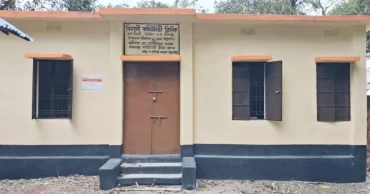
Rows of medicine shelves sit nearly empty across all 28 community clinics in Pirganj, leaving hundreds of patients returning home without treatment and exposing the fragile reality of rural healthcare for some of the country’s most vulnerable people.
Except for limited supplies of iron and antacid tablets reserved mainly for pregnant women, most essential medicines – from fever reducers and painkillers to gastric and diarrhoea treatments – have disappeared from clinic inventories.
For six months, the shortage has quietly deepened, hitting hardest the poor people.
“Earlier we could get medicines here for fever, cough, pain, gastric problems—even dysentery,” said one woman who came seeking treatment at Birholi Community Clinic. “Now we leave empty-handed. We are poor people. Buying medicines outside is not always possible.”
Her frustration is echoed across village after village.
Patients at Budhigaon and Bhakura community clinics said the facilities had once spared them costly trips to town hospitals. Now, despite the clinics being within walking distance, many must travel farther – or simply go without treatment.
Under Bangladesh’s rural healthcare model, each community clinic serves roughly 6,000 people in Pirganj.
Health officials say the crisis began after medicine allocations gradually declined.
Clinics that once received 27 types of medicines later saw that number reduced to 22. The last major supply arrived in August last year, while limited follow-up deliveries ran out by November and December.
No adequate replenishment has arrived since.
Omar Faruk, acting storekeeper at Pirganj Upazila Health Complex, said supplies are no longer coming as regularly as before.
“Whatever medicines arrive are divided among all community clinics, but the quantity is very limited and gets exhausted within a few months,” he said.
At Chandaria Community Clinic, health worker Baby Naznin says the situation has become emotionally exhausting.
“For nearly five months, we have had almost no medicines,” she said. “Every day patients come with fever, cough, diarrhoea, weakness and other illnesses. We examine them, give advice – but often have nothing to hand over.”
Officials acknowledge the problem.
Dr Abul Basar Md Saiduzzaman, acting Upazila Health and Family Planning Officer, said some medicines have recently arrived and distribution will begin soon, though he warned the crisis may persist until fresh allocations are approved in the new fiscal year.
Meanwhile, Dr Anisur Rahman, Civil Surgeon of Thakurgaon, confirmed that the shortage has been reported to higher authorities and expressed hope that normal supply will resume soon.
But for villagers who depend on these clinics not by choice, but by necessity, hope alone cannot treat a fever.
Until the shelves are refilled, the promise of free rural healthcare remains – quite literally – out of stock.
5 months ago