water shortage
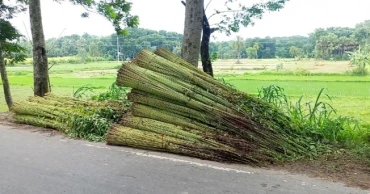
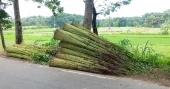
Water shortage disrupts jute retting in Lalmonirhat, sparking price concerns
A severe water crisis in Lalmonirhat, despite the ongoing monsoon, is significantly disrupting the crucial retting process of jute, leaving farmers worried about potential financial losses due to declining fibre quality and fears of not receiving a fair market price.
The lack of sufficient rainfall has dried up canals, ponds, and other water bodies, halting the traditional process of retting, an essential step in extracting fibre from jute stalks.
Although this is usually the peak time for jute harvesting, many farmers have been unable to proceed due to the shortage of water.
Those who have already harvested are watching their jute wither under the scorching sun, unable to begin retting.
Growers across the district report that jute left in the fields is turning reddish due to intense heat exposure.
Golden fiber in trouble: Kurigram’s jute farmers struggle amid water crisis
1 year ago
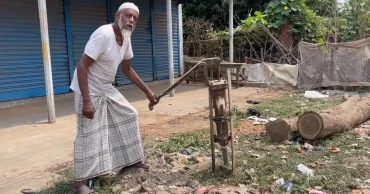
Over 1.67 lakh tube-wells dry up in Feni amid acute fresh water crisis
An alarming crisis of fresh water has gripped Feni, with more than 1.67 lakh tube wells across the coastal district running dry amid intense heat and prolonged drought.
Tens of thousands of residents without access to safe drinking water, posing serious public health risks and threatening agricultural output.
According to the Feni District Public Health Engineering Department (DPHED), water is unavailable in 1,67,386 tube-wells due to the underground water layer dropping significantly. The crisis has intensified in several upazilas where around 70% of tube-wells have stopped producing water, and locals are being forced to fetch water from distant sources or consume unsafe water from ponds and ditches—leading to outbreaks of diarrhoea and other waterborne diseases.
“There is no water in tube-wells, ponds, canals, or beels. Rain is the only solution,” said the department’s Executive Engineer Md Shafiul Haque. He attributed the crisis to climate change, excessive groundwater extraction for agriculture, and the absence of rain, which has caused the water table to fall drastically year after year. “If it rains, the water layer will rise again, and water will be available,” he added.
Of the 36,811 registered tube wells in Feni, 9,871 have been long out of order. Among the remaining 26,941 active wells, nearly half have dried up. Additionally, more than half of approximately two lakh shallow tube wells installed privately are no longer producing safe water.
Dhaka's Narai River: From majestic waterway to filthy dumping ground
In August last year, devastating floods damaged 16,415 tube wells completely and 27,600 partially, and many of these have yet to be restored or repaired, according to SM Mahfuzur Rahman, sub-assistant Engineer at DPHED Feni.
“This has further worsened the safe water shortage in flood-affected areas,” he said.
A visit to Fulgazi Upazila revealed a grim picture: shallow tube-wells at depths of 40–50 feet have completely dried up, leaving about 15,000 tube wells unusable. Many residents now travel long distances for water, and farmers are anxious about their Boro paddy yield due to the drought.
“We spent so much on planting Boro rice seedlings, but cracks are forming in the soil due to the heat and lack of rain. Now we’re unsure if we’ll get a proper harvest,” said a local resident.
Mohammad Abdullah Arman, sub-assistant Engineer at Fulgazi Upazila’s Public Health Engineering Department, said the upazila has 1,061 government shallow tube wells, 1,188 deep ones, and 887 submersible pump-equipped wells across 87 villages in six unions. In addition, there are about 17,000 private tube wells, 70% of which are no longer lifting water. “There’s no alternative system in place, so rainwater is our only hope,” he added.
1 year ago
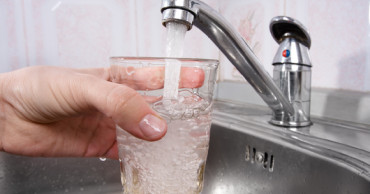
New Zealand cities in water shortage
Hot and dry weather across New Zealand has pushed up the demand for water with Auckland city encouraging dwellers to save water.
6 years ago