educational institutions
Decision on operation of educational institutions at next Cabinet meeting: Minister
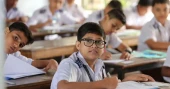
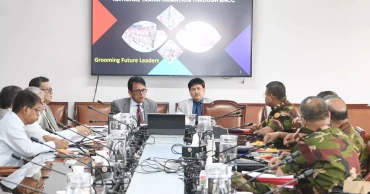
The government will finalise a plan on how educational institutions will operate with reduced electricity consumption amid the ongoing global energy crisis at the next cabinet meeting, said Education Minister Dr ANM Ehsanul Hoque Milon on Sunday.
“A decision on whether to introduce online classes will be taken at the highest policy-making level and the proposal would likely be placed before the cabinet after consultations with stakeholders.The Cabinet Division will brief the media,” he said while talking to reporters at the Secretariat.
The next cabinet meeting is scheduled for April 9 as meetings are usually held on Thursdays.
Earlier, at a cabinet meeting on March 2, the government decided to reduce office hours by one hour to save energy, a measure that came into effect on Sunday.
It also ordered shops and shopping malls to close by 6pm, along with suspending loans for government officials to purchase vehicles and cutting fuel allocations by 30 percent.
Meanwhile, Cabinet Secretary Nasimul Ghani said the Education Ministry would issue separate guidelines for educational institutions taking into account the need for further discussions.
The government is considering a blended system combining online and in-person classes to ensure learning continues without disruption, said the minister.
“We are encouraging online education alongside physical classes, as the duration of the global energy crisis remains uncertain,” he said.
6 months ago
Educational institutions reopen Sunday after nearly 40-day Ramadan, Eid break
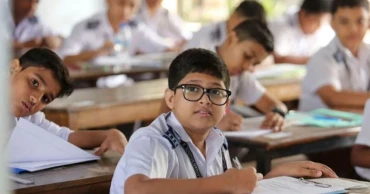
Educational institutions in Bangladesh from primary to higher secondary levels are set to reopen on Sunday after a nearly 40-day closure for Ramadan and Eid-ul-Fitr.
Although the holiday officially ended on Thursday (March 26) classes will resume on March 29 following the weekly Friday and Saturday holidays.
According to the revised academic calendar, the vacation began on February 19 and continued until March 26.
Earlier, on March 8, the Ministry of Education decided to keep all English-medium schools closed for the entire duration of the government-declared Ramadan and Eid holidays.
The decision was taken at a meeting on policy formulation for English-medium schools and coaching centres, held at the Secondary and Higher Education Division and chaired by Education Minister ANM Ehsanul Hoque Milon.
Officials said the move considered the difficulties faced by city residents during Ramadan, particularly in Dhaka and other major cities, as well as the prevailing global situation.
During the closure, institutions were allowed to conduct only mandatory examinations in line with previously announced schedules.
Besides, coaching centre activities—both Bangla- and English-medium—remained suspended during the same period.
Meanwhile, universities across the country will also resume academic activities from Sunday.
The government had earlier ordered the suspension of academic activities of all public and private universities from March 9 to conserve electricity amid the ongoing global situation triggered by Middle East crisis resulting in an early start to Eid holidays.
University authorities said classes and examinations remained suspended from March 9 to March 28 in line with the directive.
To compensate for learning losses during the long break, government primary schools will hold classes on the next 10 Saturdays, which are usually weekly holidays.
Accordingly, classes will also be held on Saturday, April 4.
6 months ago
How to Ensure Women's Safety in Educational Institutions
Creating a safe environment for women in educational settings is essential for fostering their growth and learning. Whether in schools, colleges, or university campuses, ensuring the safety of female students and teachers is crucial for their well-being and success, particularly in Bangladesh, where cultural and social challenges persist. This requires comprehensive measures to protect girls and women from harassment, violence, and discrimination.
Ways to Ensure Female Students’ and Teachers’ Safety in the Educational Setting
.
Gender Sensitization Programs
Promoting awareness and education on gender equality is crucial for ensuring women's safety in educational settings. This can be achieved by integrating gender studies into the curriculum and conducting comprehensive gender sensitisation programs for all students, teachers, and staff.
These programs should challenge traditional gender stereotypes, promote respect, and foster a culture of equality. Additionally, they should address important issues such as consent, healthy relationships, and bystander intervention. In Bangladesh, where deeply rooted gender roles often persist, such initiatives can play a key role in creating a safer and more inclusive environment.
Read more: Workplace stress affecting women in Bangladesh needs attention
Implementing Strict Anti-Harassment Policies
Implementing and enforcing strict anti-harassment policies are essential for ensuring safety. These policies should clearly define all forms of harassment, including sexual harassment and bullying, and outline the consequences.
All students and staff must be aware of these rules and the procedures for reporting incidents. Regular workshops and training sessions should be conducted to raise awareness and ensure that everyone understands the policy. A zero-tolerance approach is vital to protect women and deter potential offenders.
Safe Physical Environment
Prioritising physical safety in schools and universities is crucial for protecting female students and teachers. Educational institutions should ensure that all areas, such as pathways, car parks, and secluded spots, are well-lit and equipped with CCTV surveillance.
Read more: Is Gym Good for Women?
Installing emergency alarms and conducting regular security audits can help identify and address potential vulnerabilities. Additionally, providing separate restrooms and common areas for women is essential. These measures deter criminal activity and contribute to a safer and more secure campus environment.
Establishing Safe Reporting Mechanisms
Establishing safe and confidential reporting mechanisms is essential for addressing harassment and violence against women in educational settings. Institutions should create clear, accessible channels that allow female students and teachers to report incidents without fear of retaliation.
This could include anonymous reporting systems and dedicated hotlines that offer immediate assistance and support. By ensuring that these mechanisms are well-publicised and trusted, institutions can encourage more women to come forward, leading to quicker resolutions and a safer environment for all.
Read more: Martial Arts Belts: Everything You Need to Know About Their Color and Significance
Providing Self-Defence Training for Female Students and Teachers
Self-defense training effectively empowers women, equipping them with the skills and confidence to protect themselves in dangerous situations. Educational institutions should offer regular self-defense classes focusing on practical, easy-to-learn techniques.
In Bangladesh, where women may encounter various threats, such training can be a crucial tool for ensuring personal safety. By providing these classes, institutions enhance the physical safety of female students and teachers and also contribute to their sense of security and empowerment.
Counselling and Support Services
Providing gender-sensitive counselling services is vital for supporting female students and teachers who face harassment, abuse, or mental health challenges. These services should be staffed by trained professionals who understand the unique needs of women and can offer tailored support and guidance.
Read more: 8 Safe Motorcycle Riding Tips for Women
Access to such counselling is crucial, as it provides emotional support and can connect victims to legal and medical assistance. By offering these resources, educational institutions help ensure that women receive the comprehensive care they need to navigate difficult situations safely.
Promoting a Culture of Respect and Inclusivity
Fostering a culture of respect and inclusivity is essential for ensuring women's safety in educational settings. This requires promoting values of mutual respect among students and staff, celebrating diversity, and encouraging open dialogue about gender issues. When these principles are deeply embedded in the institution's culture, the likelihood of harassment decreases significantly.
By creating an environment where everyone feels valued and heard, educational institutions can significantly enhance the safety and well-being of female students and teachers which contributes to a more positive and supportive atmosphere.
Read more: Homemade Pepper Spray for Self-Defense: Ingredients, process, efficiency, precautions
Engaging Parents and Guardians in Safety Efforts
Involving parents and guardians is crucial for ensuring the safety of female students. Educational institutions should engage with parents through regular meetings, workshops, and open communication channels to inform them about safety measures and encourage their active involvement.
Schools and universities can organise parent-teacher meetings to discuss safety concerns, share information, and collaborate on initiatives. Parental awareness and support are vital for reinforcing safety practices both inside and outside of the educational environment.
Regular Safety Audits and Inspections
Regular safety audits and inspections are vital for maintaining a secure campus environment. These assessments should evaluate factors such as lighting, the presence of security personnel, and potential hazards. By collecting data on incidents of harassment and violence, institutions can identify areas needing improvement and develop effective prevention strategies.
Read more: Cyberbullying: What to Do If Someone is Harassing You Online
Prompt corrective action based on audit findings is crucial to address any safety concerns. Continuous monitoring and evaluation of safety measures ensure that the campus remains a safe space for female students and teachers.
Encouraging Peer Support Networks
Peer support networks are a powerful tool for ensuring women's safety on campus, offering emotional support, safety tips, and assistance during critical times. Establishing student safety committees that include both male and female students can further promote a culture of safety and accountability.
These committees can identify safety concerns, implement preventive measures, and provide support to victims. Encouraging the formation of such groups within educational institutions fosters a sense of community and solidarity, enhancing the overall safety and well-being of female students and teachers.
Read more: Best Free Personal Safety Android, iOS Apps for Women in 2024
Collaboration with Law Enforcement
Collaborating with local law enforcement is vital for improving safety in educational settings. Establishing robust relationships with police ensures a swift response during emergencies and acts as a deterrent to potential offenders. Regular visits from law enforcement officers can reassure both students and staff, creating a safer environment.
Additionally, strengthening legal frameworks to combat harassment, violence, and discrimination is essential. Effective enforcement of these laws, in partnership with local law enforcement, further enhances campus security and safeguards female students and teachers.
Monitoring Online Harassment and Cyber Safety
With the surge in digital communication, online harassment has become a pressing issue for women in educational settings. Institutions must tackle this by enforcing strict policies on digital conduct and monitoring online interactions.
Read more: Top 10 International Scholarships for Women to Study Abroad
Providing comprehensive training on cyber safety can equip both students and staff to handle online threats effectively. Additionally, offering dedicated resources and support for those targeted by cyberbullying ensures that victims receive the help they need. By addressing online harassment proactively, educational institutions can foster a safer and more inclusive environment for all.
Closing Lines
Ensuring women's safety in educational settings is a multifaceted challenge that requires a collective effort. By implementing the strategies outlined above, academic institutions in Bangladesh can create a safer and more supportive environment for female students and teachers. Continuous improvement in safety measures, driven by awareness, collaboration, and respect, is essential to fostering a learning environment where women can thrive.
Read more: How to Ensure Safe Work Environment for Women in Bangladesh
2 years ago

Educational institutions are free to decide on student politics: Dipu Moni
Education Minister Dipu Moni on Monday said the educational institutions will decide whether to allow or not student politics on the campus.
“The outcome of banning student politics in educational institutions is not usually good. This should also be considered,” she said.
The minister was talking to reporters after attending a meeting on law and order situation during SSC and equivalent exams in the capital.
Being involved in politics is a matter of an individual’s fundamental rights, said Dipu.
Also read: Momen not accompanying PM in India: Dipu Moni questions media’s use of “dropped”
“It is between a political party and an educational institute, what rule they made and what understanding they have regarding student politics. The education ministry does not decide nor intervene in these matters,” said the minister.
“People have different opinions regarding allowing student politics in educational institutions but there is no alternative to political consciousness if we hope for a democratic society” Dipu added.
Politics is a healthy and positive thing and this positivity has to be maintained during party politics in educational institutions, she said.
On August 13, former students of Bangladesh University of Engineering and Technology (BUET) arranged a rally in its premises ahead of National Mourning Day under the banner of Bangladesh Chhatra league (BCL).
Also read: SSC exams this year will start from 11am, duration 2 hours: Dipu Moni
This raised a storm of debate as political activities in BUET campus has officially remained banned since the murder of student Abrar Fahad in 2019, by some then-leaders of BCl at Sher-e-Bangla Hall of the university.
4 years ago
.jpeg)
Educational institutions to remain closed for 2 days a week to save power
All educational institutions under Directorate of Secondary and Higher Education (DSHE) will remain closed for two days week as part of government’s move to save power.
The students will enjoy holidays on Friday and Saturday, said a notification of Education Ministry issued on Monday. The new arrangement will be effective soon, it said.
The authorities concerned of the universities have been asked to take necessary steps in this regard.
Also read: Energy crisis: Govt mulls 2-day weekly holiday in educational institutions
On June 17, the government directed the authorities concerned to take necessary steps to close shopping malls and kitchen markets by 8 pm to save energy.
Also read: SUST to take online classes one day in a week to save energy
A letter, signed by Ahsan Kibria Siddiqui, director-general of the Prime Minister's Office (Administration), said that the prime minister has instructed to take necessary steps to ensure that shops, shopping malls, kitchen markets are not kept open after 8 pm.
4 years ago
.jpg)
Energy crisis: Govt mulls 2-day weekly holiday in educational institutions
The government plans to introduce a two-day weekly holiday in educational institutions across the country soon to save energy, said Education Minister Dipu Moni on Friday.
She said this while responding to a question at an event in the capital.
Read: No changes on religion made to textbooks: Dipu Moni
Dipu Moni also said the government has announced a two-day weekly holiday in all educational institutions from 2023.
“We are thinking about whether it will be implemented from now to save electricity,” she said.
The decision will be announced soon, she added.
4 years ago
.jpg)
Ahead of Eid PM declares MPO benefits for 2716 educational institutions
Prime Minister Sheikh Hasina on Wednesday declared 2716 privately run educational institutions eligible for monthly payment order (MPO).
Under the MPO scheme the government pays 100 per cent of the basic salaries to the teachers of non-government institutions.
The PM made the announcement while speaking at the inaugural ceremony of country’s first campus-based business incubator ‘Sheikh Kamal IT Business Incubator’ at Chittagong University of Engineering and Technology (CUET) through video links from her official residence Ganobhaban.
Among the new MPO beneficiaries are 666 lower secondary schools, 1122 secondary schools, 136 higher secondary schools, 109 higher secondary colleges and 18 degree colleges.
The new MPO list also includes some 665 educational institutions under the vocational and madrassa education board.
These are 97 SSC vocational or Dakhil vocational, 200 SSC business management and technology, two diploma in agriculture, 264 Dakhil Madrassa, 85 Alerm Madrassa, six Farazi Madrassa and 11 Kamil Madrassa.
Also read: MPO for new educational institutions to be announced this month: Dipu Moni
Along with unveiling the Sheikh Kamal Business Incubator the PM also inaugurated Sheikh Jamal Dormitory and Rosy Jamal Dormitory
4 years ago

Attempts being made to create anarchy at educational institutions: Dipu
Education Minister Dipu Moni on Sunday said attempts are being made to create anarchy at the educational institutions of the country ahead of the national election.
“Their plan of destabilizing the country through creating anarchy at the educational institutions will not be implemented. Conscious students will obstruct it,” she said while speaking at a prize giving ceremony at Baburhat High School in Chandpur town.
Also read: Working to improve universities' world ranking position, says Dipu Moni
The people of the country want peace and the country is approaching fast to achieve the development goals under the leadership of the Prime Minister, said Dipu.
“The evil forces are trying to raise their heads ahead of the national election and trying to take advantage of the chaotic situation created by them,”she said.
Also read: Don't react to provocations on social media: Dipu Moni
Dipu Moni also urged the students of the school to be human being through good deeds and love the country.
4 years ago

Vested quarter trying to create communal problems at educational institutions: Dipu Moni
A vested quarter is trying to create communal issues at the educational institutions after failing to destabilize the country, said Education Minister Dipu Moni on Tuesday.
“Their attempts will not be successful in any way,” she said while talking to local journalists after attending a review meeting with all district level officials in Chandpur on the projects implemented or under implementation from 2019 to date and overall activities of various departments organised by the district administration.
Also read: We are proud of our religious harmony: Dipu Moni
Regarding some recent issues at educational institutions in the country, Dipu Moni said they are creating issues in some educational institutions and trying to give those communal cover after failing to make the country’s situation unstable.
“We are vigilant about the issue,” she said adding that the people of the country believe in non-communal spirit.
People have respect for teachers, she said and requested the teachers to be vigilant.
Also read:No decision yet on 100% festival bonus to pvt educational institute teachers: Dipu Moni
The minister also warned that stern action will be taken if authorities concerned in the educational institutions are found involved in making chaos with such issues.
4 years ago

Stop DJ party at educational institutions in the name of Rag Day: HC
The High Court on Sunday ordered the authorities concerned to take necessary steps within 30 days to stop DJ party, dance, bulling and obscenity at educational institutions in the name of Rag Day.
The HC bench of Justice Md Mozibur Rahman Miah and Justice Khizir Hayat passed the order after hearing a writ petition filed by a lawyer.
The HC also issued a rule asking the government to explain as to why the inaction of the authorities concerned in stopping DJ party, dance, bulling and obscenity at the educational institutions in the name of Rag Day should not be declared illegal.
Also read: DU bans 'inhuman, unethical' Rag Day
Secretaries to the Education Ministry, Information Ministry, Cultural Affairs Ministry, University Grants Commission Chairman, Vice-Chancellors of Dhaka University, Rajshahi University, Jahangirnagar University, Khulna University and Barishal University, Inspector General of Police, Director General of the Department of Secondary and High Secondary Education have been made respondents to the rule which is returnable in four weeks.
On April 7, Advocate Mohamamd Quamrul Hasan filed the writ petition.
According to the writ petition, it has been noticed recently that some educational institutions organize DJ party in the name of ‘Rag Day’ and the images and video footages of those parties go viral on social networking sites.
The teachers were supposed to guide students to build their lives with moral values but under the patronage of the educational institution such immoral activates are going on. So it is needed to stop these activities to save the next generation from this bad culture, it said.
4 years ago