BTRC
BTRC finds cross-border interference in EGSM spectrum, weighs allocation for network expansion
Mobile Network Operators (MNOs) have identified significant interference challenges in parts of the Enhanced GSM (EGSM) spectrum, particularly in areas close to Bangladesh’s international borders, during a technical assessment conducted under the supervision of the telecom regulator.
Bangladesh Telecommunication Regulatory Commission (BTRC) is considering allocating spectrum in the EGSM band to strengthen mobile network capacity and improve weak network coverage and internet service quality across the country.
As part of the process, the regulator approved a Proof of Concept (PoC) test to evaluate interference levels in the 850 MHz and EGSM (900 MHz) bands, according to official documents.
The four-week assessment was carried out from April 12 to May 8, 2026, using 8.4 MHz of spectrum in the 880-888.4 MHz and 925-933.4 MHz ranges allocated exclusively for testing purposes.
All four mobile operators participated in the exercise, deploying the spectrum across different divisions and using 2G technology to assess performance and interference impacts.
According to the findings, the EGSM band appears to be the more practical short-term option for Bangladesh, as nearly all mobile handsets in the country already support the band for voice calls, SMS and low-speed data services.
A committee formed to compare the 850 MHz and EGSM bands, recommend spectrum pricing and identify technical challenges found that low-band spectrum could significantly improve indoor coverage in densely populated urban areas while helping operators extend services to remote regions.
However, the assessment identified frequency pollution originating from India as the principal source of interference affecting parts of the EGSM spectrum.
To determine the extent of the issue, operators monitored interference levels in Rajshahi, Rangpur, Mymensingh, Sylhet, Cumilla, Chattogram, Khulna, Barishal and Cox’s Bazar, alongside several locations in Dhaka.
Except for Dhaka, most testing sites were situated between approximately five and 50 kilometres from international borders.
For analysis purposes, the committee divided the 8.4 MHz spectrum block into two segments.
The first segment, Block A, consists of 5 MHz of spectrum in the 880-885 MHz and 925-930 MHz ranges.
The report noted that this portion is particularly valuable because of its superior propagation characteristics, allowing signals to travel longer distances and penetrate buildings more effectively.
Interference levels in Block A were found to be minimal in Rajshahi and Khulna.
However, substantial interference was detected in Rangpur, Mymensingh, Sylhet, Cumilla and Chattogram, especially in border-adjacent areas.
The committee estimated that interference in this block could affect around 40 to 50 percent of the country’s geographical area.
The second segment, Block B, comprises 3.4 MHz of spectrum in the 885-888.4 MHz and 930-933.4 MHz ranges.
The report found comparatively lower interference levels in this block, with significant disruption observed only in Rangpur. Most other regions remained largely free from interference.
According to the committee, interference in Block B would likely affect only around 5 to 10 percent of the country, making it a more commercially viable option for operators.
The report also said no interference was detected in Dhaka’s Kachukhet and Cantonment areas or anywhere in Barishal division, indicating that these locations could be considered for initial deployment.
It further recommended direct inspections and practical assessments by BTRC to address the issue of cross-border frequency pollution.
Commenting on the PoC results, Banglalink said it deployed the entire 8.4 MHz spectrum block between 880 MHz and 888.4 MHz using 2G technology during the assessment.
According to the operator, the lower portion of the spectrum, between 880 MHz and 885 MHz, experienced heavy interference across much of the country including Chattogram, Sylhet, Mymensingh and Rangpur divisions, as well as parts of Dhaka, Rajshahi and Khulna.
The upper portion, between 885 MHz and 888.4 MHz, was affected mainly in Rangpur division and some eastern and northern border areas.
Robi, in its observations submitted following the PoC, said Block I (880-885 MHz) was usable in Dhaka, Khulna, Rajshahi and Barishal, while Block II (885-890 MHz) was found suitable for deployment nationwide except in Rangpur.
The assessment came as operators continue to seek additional low-band spectrum to improve network quality and expand coverage.
Earlier, Grameenphone obtained 10 MHz of spectrum in the 700 MHz band through an auction, while Robi and Banglalink did not participate in acquiring spectrum in that band.
Subsequently, state-owned Teletalk was allocated another 10 MHz in the same frequency range.
The 700 MHz band is widely regarded as a strategic spectrum resource because of its ability to provide wider coverage and stronger indoor connectivity, particularly in rural, remote and underserved areas, while requiring fewer network installations than higher-frequency bands.
3 months ago

Mobile phone traders block Agargaon road protesting move to shut down unapproved handsets
Mobile phone traders and employees blocked the road in front of the Bangladesh Telecommunication Regulatory Commission office in Agargaon on Sunday (December 07, 2025) in protest against the government move to disable unapproved handsets.
Police said the demonstration began around 10:30am when the protesters took position on the road in front of the BTRC building, halting traffic on one side of the Shyamoli–Agargaon route.
Read more: BTRC to deactivate extra SIMs beyond limit from Saturday
Long tailbacks were created at the Shishumela intersection, Shyamoli’s Mirpur Road and parts of Agargaon and Sher-e-Bangla Nagar due to the blockade.
Sher-e-Bangla Nagar Police Station Officer-in-Charge Monirul Islam said vehicle movement from Shishumela towards Agargaon remained suspended as the traders occupied the road.
Traffic on the opposite lane was moving normally, he said.
One side of the road remained blocked till filing of this report at 2:20 pm.
Read more: No phone purchased before Dec 16 would be blocked using NEIR: BTRC Commissioner
10 months ago
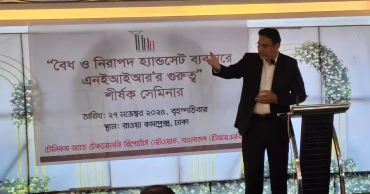
No phone purchased before Dec 16 would be blocked using NEIR: BTRC Commissioner
No phone purchased before next December 16 will be blocked, said Mahmud Hossain, Commissioner, Bangladesh Telecommunication Regulatory Commission (BTRC) on Thursday (November 27).
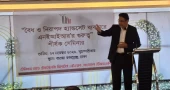
“Measures are being taken to bring all existing handsets in the market under legal channels for the sake of public security and a full solution will come by December,” he said while speaking as chief guest at a seminar organised by Telecom and Technology Reporter's Network, Bangladesh (TRNB).
“Network quality depends significantly on the quality of mobile handsets. After the NEIR rollout, the commitment given by traders to keep prices unchanged must be upheld,” he said.
Read more: Bangladesh prepares NEIR amid ‘clone phone threats, obstruction’
Stressing the need to eliminate misinformation and confusion, the BTRC chairman also assured users that no phone purchased before December 16 will be blocked.
In a bid to restore market discipline and enhance security, the National Equipment Identity Register (NEIR) service is set to be launched on Victory Day.
Business representatives dismissed fears that handset prices might rise after NEIR becomes operational. The price will not go up—not even by one taka, they said.
When asked about the security of the NEIR system, BTRC Director-General Aminul Haque said, “It’s not impossible—unless the BTRC DG himself is compromised! Once NEIR is launched, customers will be able to block lost or stolen phones from home.”
Giving assurance that handset prices will not rise, the Mobile Phone Industrial Owners of Bangladesh (MIOB) President Zakaria Shahid said, “NEIR is not a private initiative—it is a matter of national security. No one can oppose it unless they have ulterior motives.”He added that the tax structure needs to be more flexible to increase mobile phone penetration in the country.
“Businesses do not want to operate outside the law,” he said.
Read more: BTRC to deactivate extra SIMs beyond limit from Saturday
He also urged authorities to move away from excessive restrictions imposed in the name of protecting local industries.
Distributor Association President Abdullah Al Harun Raju said only a very small number—around 500 to 1,000 people—are involved in grey-market phone trading. “Out of 20,000 sales workers, around 18,000 sell legally channelled phones,” he said.
10 months ago
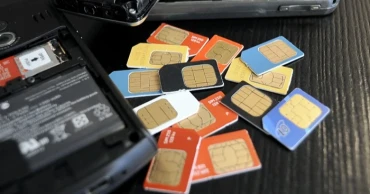
BTRC to deactivate extra SIMs beyond limit from Saturday
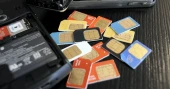
Mobile operators will begin from Saturday deactivating additional SIM cards registered under a single national ID (NID) if the number exceeds 10, as per a directive from the Bangladesh Telecommunication Regulatory Commission (BTRC).
In a recent notice, the regulator said that any excess SIMs will be automatically deactivated from November.
Users who fail to deactivate extra SIMs themselves risk losing access to randomly selected, possibly important numbers.
Earlier, on July 30, BTRC announced that no individual will be allowed to hold more than 10 active SIMs under one NID, reducing the previous limit of 15. Subscribers can deregister extra SIMs through their respective mobile operators’ customer care services.
SIM registration limit to be reduced before election: Home Adviser
BTRC Chairman Major General (retd) Md Emdad Ul Bari said operators will start the deactivation process from Saturday, adding that by December, no NID will have more than 10 active SIMs.
According to the regulator, as of March 2025, there were 186.2 million active SIMs in Bangladesh, while the actual number of users stood at around 67.5 million.
Over 80% of subscribers use fewer than five SIMs, 16% use between six and 10, and only 3% have more than 10.
The move aims to restore order in SIM management and prevent fraud, BTRC officials said. Subscribers can check how many SIMs are registered under their NID either online or by dialing *16002#.
Officials also noted that SIM deactivation will follow a random selection process, meaning even an important number may be deactivated if it exceeds the limit.
Read more: International Roaming: How to use a Bangladeshi SIM card abroad
11 months ago
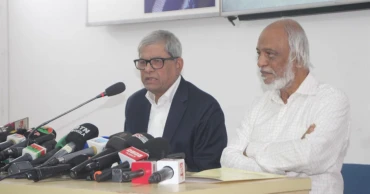
BNP slams BTRC’s draft telecom policy, calls it inappropriate before polls
BNP on Thursday voiced concerns over the BTRC’s recently drafted ‘Telecommunication Network and Licensing Regime Reform Policy 2025’, saying that unilaterally enacting such a national policy ahead of the upcoming parliamentary election would be inappropriate.
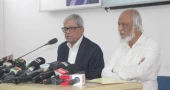
“BNP believes that it won’t be appropriate to unilaterally enact such a nationally important policy at this time, especially considering the upcoming national elections,” said BNP Secretary General Mirza Fakhrul Islam Alamgir.
He conveyed the party's observations on the policy during a press conference at the BNP Chairperson's Gulshan office.
“BNP has taken note of the recent initiative by the Bangladesh Telecommunication Regulatory Commission (BTRC) regarding the 'Draft Telecom Network and Licensing Reform Policy 2025'. While this initiative is commendable, we express apprehension about making hasty decisions in such a nationally important sector at this moment,” Fakhrul said.
He said the objectives of the policy are to simplify the licensing process, encourage technological advancement, and increase digital inclusion for the rural population which are certainly positive aspects.
The BNP leader, however, said analysing the draft policy, some serious issues can be found that could hinder equitable and sustainable development in the telecom sector.
BNP extends maximum support for national reform consensus: Salahuddin
“BNP, with a constructive mindset, is highlighting the potential weaknesses, ambiguities, and certain clauses within this draft that could unduly benefit large Mobile Network Operators (MNOs) – which might harm Small and Medium Enterprises (SMEs) and local entrepreneurs,” he said.
Fakhrul said it is necessary to ensure caution, transparency and participation of relevant stakeholders in formulating such national-level telecom policies. “With the national election ahead, hasty decisions should not be made.”
He said his party pledged to continue working towards equitable development through digital connectivity and safeguarding national digital security and sovereignty.
Narrating the potential problems and challenges of the draft policy, the BNP leader said if the restriction on ownership across multiple services’ sectors is lifted, major mobile operators may establish monopolistic control in several areas. “This will reduce competition and push smaller companies further behind.”
He also said that SMEs could face a financial crisis if the draft policy is implemented. “Following deregulation, especially in the absence of clear guidelines on the assets and liabilities of local ISPs or small telecom operators, these smaller entities could fall into serious financial difficulties.”
Fakhrul said there is also a lack of clarity about the limit on foreign ownership, which could discourage investment and affect the stability of the sector. “Loopholes in cross-ownership could allow large companies to take over even more of the market.”
He urged the government to hold open discussions with all stakeholders, including SMEs, technology experts, and consumer organisations, before finalising such an important policy.
“A full analysis of the financial and social impact of the proposed policy should also be carried out. It is especially important to consider the possible harm to SMEs and local businesses, job losses and the overall impact on the economy,” the BNP leader said.
He warned that the draft policy favours large companies by giving them easier access to ISP and NSP licences. This could sideline SMEs, reduce competition and create monopolies, which would harm the wider economy.
Fakhrul said the policy does not provide clear guidance on satellite broadband and new digital services, which could confuse investors.
He also said the limits of enterprise services are unclear, especially when it comes to where mobile operators’ fibre-based business connections should be restricted. “This lack of clarity in the policy could lead to disputes and inequality,” he added.
BNP Standing Committee member Dr Abdul Moyeen Khan alleged that the government did not consult with relevant experts or political parties before formulating such a policy. “We do not support making such an important policy hastily before the election,” he said.
1 year ago

CA Prof Yunus approves Starlink’s license to operate in Bangladesh
Chief Adviser Professor Muhammad Yunus has officially approved the license for Starlink, the US-based satellite internet provider, to begin operations in Bangladesh, marking a significant step towards improving connectivity, especially in remote and underserved areas.
The Chief Adviser approved the license on Monday, said his Special Assistant Faiz Ahmad Taiyeb.
On April 7, Starlink applied to the BTRC for a licence to operate in the country under the regulatory framework titled ‘Guidelines for Non-Geostationary Orbit (NGSO) Satellite Services Operators in Bangladesh’.
BTRC grants initial approval to Starlink, awaits final ministry clearance
On March 25, Chief Adviser Dr Muhammad Yunus directed the relevant authorities to ensure the commercial launch of Starlink’s satellite broadband internet service in Bangladesh within 90 days.
In accordance with this guideline, Starlink submitted a formal application along with the applicable fees and required documents.
A decision to issue the license was taken in principle during the 294th meeting of the commission on April 21.
Starlink becomes a new addition to Bangladesh’s internet landscape, marking the country as the second in South Asia—after Sri Lanka—to host services from the global satellite internet provider.
Dr Yunus orders launch of Starlink’s broadband within 90 days
Faiz Ahmad, said Starlink's entry into Bangladesh was driven by public demand following repeated internet shutdowns by the autocratic Sheikh Hasina regime during the July uprising.
“The Chief Adviser also aimed to send a strong signal that Bangladesh is open for investment. Delivering uninterrupted, high-quality internet in remote haor regions, islands, hilly areas and disaster-prone coastal zones remains a key challenge. In areas where fiber connectivity is still absent, there is an urgent need for reliable internet,” he said.
On his own initiative, the Chief Adviser directly called SpaceX CEO Elon Musk and urged him to begin operations in Bangladesh within 90 days, he added.
He also pointed out that Bangladesh’s fiber network remains limited, with much of it lacking telecom-grade infrastructure.
“At least 65 percent of telecom towers are still not fiberised and rely on low-capacity microwave links. Our mobile network faces challenges in both coverage and capacity—especially for highway mobility. Starlink will help to bridge these gaps,” said Faiz.
Starlink's entry is expected to increase competition in the mobile and broadband internet markets, transitioning the industry from traditional voice-and-data bundles toward more digital service-centric offerings, he said.
“The service will pave the way for deregulation in the communications industry, enhance competition, and ensure seamless, high-speed internet—whether in urban or rural areas,” he added.
1 year ago

BTRC grants initial approval to Starlink, awaits final ministry clearance
The Bangladesh Telecommunication Regulatory Commission (BTRC) has given initial approval to Starlink to provide satellite internet services in Bangladesh.
It sent a letter to the Posts and Telecommunications Division last week seeking final endorsement, according to a ministry source.
Under the telecommunications law, BTRC is required to obtain prior approval from the ministry before making major decisions, including the issuance of licences.
Bangladeshi firms join hands with US telecom giant Starlink
On April 7, Starlink applied to the BTRC for a licence to operate in the country under the regulatory framework titled "Guidelines for Non-Geostationary Orbit (NGSO) Satellite Services Operators in Bangladesh.
On March 25, Chief Adviser Dr Muhammad Yunus directed the relevant authorities to ensure the commercial launch of Starlink’s satellite broadband internet service in Bangladesh within 90 days.
During trial broadcasts in the country, Starlink operated using its foreign satellite broadband gateway, according to officials.
However, for commercial operations, the company must comply with the Non-Geostationary Satellite Orbit (NGSO) policy. This policy requires the use of a local broadband gateway or International Internet Gateway (IIG).
Starlink, a subsidiary of Elon Musk’s SpaceX, has been in negotiations with Bangladesh’s regulatory authorities over the licensing process.
The initiative aims to address the recurring internet shutdowns that have disrupted freelance and business activities.
Starlink's entry ensures uninterrupted internet in Bangladesh: CA’s Press Secretary
Starlink’s entry into the market is seen as a major breakthrough for ensuring uninterrupted connectivity, particularly benefiting remote communities and local entrepreneurs.
Bangladeshi companies are already collaborating with Starlink to establish ground stations, facilitating the integration of satellite connectivity.
1 year ago
50 lakh people involved in online gambling: Palak
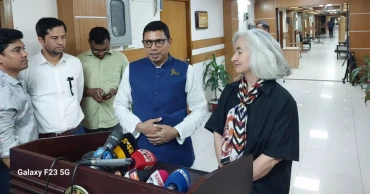
State Minister for Posts, Telecommunications and Information Technology Zunaid Ahmed Palak on Monday (June 24, 2024) said a drive involving all concerned will be conducted to stop online gambling.
Around 50 lakh people are involved in online gambling, the state minister told reporters after a meeting with French Ambassador to Bangladesh Marie Masdupuy at the secretariat.
Read more: Finance Minister sees online gambling, hundi behind increasing money laundering
When his attention was drawn to the issue of money laundering through online gambling, the state minister said, "We have exchanged views on online gambling. Our children of different ages are at serious risk. Even many elderly retired persons are coming in. Analyzing the data, we have seen how 50 lakh people have become involved in these gambling sites.”
"We are trying to block illegal gambling sites. I'm also trying to create awareness. So that common people are not deceived by any such temptation.”
A total of 2,600 gambling sites have already been blocked and now mobile apps are being blocked, he said adding “It's a continuous process, it will continue.”
He said they sat with the Department of Telecom, National Telecom Monitoring Centre, Computer Council, BTRC and Cyber Security Agency to discuss blocking of these gambling sites.
Read more: Online gambling apps to be stopped: Palak
2 years ago

No headway in taking Dhaka’s internet, satellite TV overhead cables underground
Despite repeated efforts by the Power Division, no progress has been made in bringing the distressing overhead internet and satellite TV cables underground although power utilities are implementing their project in this regard.
It has even not possible to make the operators of internet and satellite TV cables agreed to join the ongoing underground cabling projects of the power utility bodies.
According to official sources, Dhaka Power Distribution Company Limited (DPDC) has been implementing its first project in the Dhanmondi area to take its all overhead transmission lines underground.
“But despite repeated calls by the DPDC, no internet or TV cable operator agreed to join the project. They were even offered free of cost to join the scheme. But no response was received,” a top official of the Power Division told UNB.
In such a frustrating situation, recently the Power Division reconstituted its previous committee and also convened a meeting to find a solution to it. But finally the meeting was not held for unknown reasons.
Dhaka’s air quality 3rd worst in the world this morning
Member secretary of the reconstituted committee and director of the Power Cell Md. Salim Ullah Khan informed that the power Division’s efforts will continue.
“But the other departments and agencies are not interested in cooperating with the Power Division’s efforts in this regard,” he told UNB.
Sources at the Power Division blamed the Nationwide Telecommunication Transmission Network (NTTN) and internet service providers (ISPs) for the horrible situation of the overhead cables.
After a number of meetings, the previous committee of the Power Division found it difficult to address the problem without their cooperation.
According to its report submitted to Power Division, Summit Communications Limited (SCL) and Fiber@Home (FAH) have been working as NTTN in the city and they laid underground cables for operating their main internet network in the city while some 1734 legal and some 5,000 illegal internet service providing (ISP) companies have been operating as local ones to provide internet connections to homes and offices through overhead cables.
As per the system, the ISPs are supposed to take connections from SCL and FAH to take internet service to homes and offices from the main network. Recently, Bahon Limited, another NTTN company, also joined the network.
But NTTN companies alleged that the ISPs are not taking connections from Label Distribution Protocol (LDP) or Access Point (AP) installed by NTTN as it will cost them financially, says the report.
Rains likely in parts of Dhaka, 7 other divisions
On the other hand, the report reveals, the IPS companies alleged that they do not prefer taking connections from LDP or AP as they do not get required and instant solutions from the NTTN companies if any problem takes place in any internet service connection.
Besides, the NTTN are charging excessively in providing connections to the ISP companies from their LDP and AP, the report mentions quoting the ISP companies.
Under the circumstances, the ISP companies are hanging overhead cables indiscriminately and giving connections to homes and offices without following any rule or regulation, the report says, adding that only the Bangladesh Telecommunication Regulatory Commission (BTRC) can step in and resolve the conflict.
Finally, the committee adopted an 11-point recommendation to have a solution and take all overhead cables underground through coordination with electricity distribution companies —DPDC and Desco.
The committee found that the haphazardly hanged internet, security and satellite TV cables are not only posing a great threat to the power distribution system, but also creating a major obstacle to the government’s move for the beautification of the capital.
Rashed Amin Biduyt, an official of the Bahon Limited, said they are not joining the DPDC underground cabling project due to technical reasons as it will not fulfill its requirements to facilitate connections to ISPN.
"But we're laying our own cables underground with the permission of the South City Corporation," he said.
Read more: Installation of underground cables completed in Hatirjheel area
2 years ago
Cyberbullying: What to Do If Someone is Harassing You Online
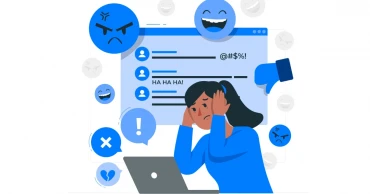
Cyberbullying has emerged as a widespread concern in the contemporary digital era, as harassment across diverse online platforms has become increasingly frequent. This type of bullying poses significant threats to the mental health and overall well-being of individuals. This underscores the importance of addressing this issue promptly and effectively.
What is Cyberbullying or Cyber Harassment?
Cyberbullying, also known as cyber harassment, refers to the use of digital communication tools such as social media platforms, messaging apps, or online forums to intimidate, threaten, or harass individuals. This form of bullying encompasses various actions, including sending hurtful messages, spreading rumours, sharing embarrassing photos or videos without consent, and creating fake accounts to impersonate and harass someone.
Cyberbullying can occur anonymously, making it difficult to identify perpetrators. Also, it can have profound and lasting effects on the mental and emotional well-being of victims.
Read more: '80% of cyberbullying victims are women'
Types of Cyberbullying
Harassment
Harassment entails sending mean or threatening messages to someone online. It can be done through text messages, emails, social media posts, or online chat rooms.
Exclusion
Exclusion involves intentionally leaving someone out of an online group or activity. For instance, a cyberbully might create a social media group and exclude their target.
Outing and Doxxing
Doxxing includes sharing someone's private information online without their consent. For example, their home address, phone number, or embarrassing photos.
Read more: Online bullying serious problem for 85% of Bangladesh youths: Survey
Impersonation
Impersonation means creating a fake online profile and pretending to be someone else. The cyberbully can then use this fake profile to send mean messages or damage the victim's reputation.
Trickery
Trickery mainly is deceiving someone into sharing personal information or embarrassing photos. For example, a cyberbully might create a fake survey to obtain personal details.
Cyberstalking
This involves using technology to harass, intimidate, or threaten someone. This includes sending threatening messages or tracking the victim's online activity.
Read more: Why are Suicide Rates Higher Among Men?
Flaming
Flaming is described as posting angry or insulting messages on someone's social media page or online forum.
Trolling
Trolling entails posting inflammatory or off-topic messages in an online forum to upset other users.
Fraping
A frape happens when someone changes another person’s information on social media without them knowing or giving permission.
Read more: How to Protect Your Child from Sexual Abuse?
Impacts of Cyber Harassment
Emotional Distress
Cyberbullying can lead to profound emotional turmoil, including feelings of sadness, humiliation, and anger. Victims often experience heightened anxiety, constantly anticipating the next hurtful encounter, which undermines their sense of safety and well-being.
Psychological Effects
Research shows a significant correlation between cyberbullying and psychological challenges. Victims of cyberbullying frequently endure elevated levels of stress, anxiety, depression, and even suicidal ideation.
The relentless influx of derogatory messages and harassment often fosters sentiments of powerlessness and diminished self-worth. Also, the incessant negativity and pressure can prove overwhelming for those targeted.
Read more: Students with Depression: Tips for Parents and Educators
Social Isolation and Self-Esteem Damage
Cyberbullying can cause individuals to retreat from both online and offline social interactions, fearing additional harassment or scrutiny from their peers. This can foster feelings of isolation and solitude. Additionally, cyberbullying can profoundly impact an individual's self-esteem, as the recurrent attacks can engender feelings of worthlessness and insecurity.
Academic Consequences
The emotional distress caused by cyberbullying can impact victims' ability to concentrate on their studies and perform academically. Consequently, this can lead to a decline in grades and overall academic performance of the bullied person.
Physical Health Issues
The prolonged stress and anxiety caused by cyberbullying can manifest in physical health problems such as headaches, insomnia, and gastrointestinal issues. Victims may also experience changes in appetite and energy levels.
Read more: Digital Detox: Unplugging for Stress Relief and Mental Wellbeing
Long-term Effects
The effects of cyberbullying can extend beyond the immediate harassment, affecting victims' long-term mental health and well-being. Some individuals may carry the trauma of cyberbullying into adulthood, impacting their relationships and overall quality of life.
Bystander Effects
Observing cyberbullying can exacerbate mental health issues and foster an atmosphere of apprehension and vulnerability. It can instil fear of becoming a target, erode trust in online interactions and impact individuals' well-being.
What to do If You Experience Cyberbullying in Bangladesh
Stay Calm
It is essential to maintain composure and refrain from impulsive reactions to harassment. Responding to the bully may exacerbate the situation, as it gratifies their desire for a reaction. So, try to resist the temptation to engage with their messages or posts.
Read more: Helicopter Parenting: Signs, Pros, Cons and How to Change
Document Evidence
It is important to document instances of cyberbullying, whether through screenshots of messages or posts or by noting down dates and times. This evidence will prove invaluable should you need to report the bullying at a later stage.
Reach Out for Support
It is highly recommended to discuss your experiences with a reliable friend, family member, another trusted adult, or mental health professional. They can provide valuable support and advice on navigating through the situation effectively.
Block the Bully
You may utilise privacy settings to block the person responsible for the harassment from reaching out to you further. Most social media platforms and messaging apps offer the option to block individuals. It can effectively prevent any further contact with them.
Read more: Workplace stress affecting women in Bangladesh needs attention
Report the Abuse to the Platform
Utilising the available reporting tools to report instances of cyberbullying is crucial. Most social media platforms and online forums provide mechanisms for reporting abusive behaviour. Report the cyberbullying to the relevant website or platform, as they typically have anti-bullying policies and may take disciplinary action against the perpetrator, such as suspending their account.
Seek Legal Advice
In instances of severe cyberbullying, it is advisable to seek advice from a legal professional. The available remedies for cyberbullying may vary depending on individual circumstances. Victims are advised to seek legal counsel from a lawyer knowledgeable about cyberbullying and relevant laws for guidance.
File a Report
Victims of cyberbullying have the option to file a criminal complaint with the police under the Cyber Security Act of 2023. This act criminalises cyberbullying and imposes imprisonment and/or fines on offenders found guilty.
Read more: Parliament passes Cyber Security Bill 2023
Cyber Crime Help Desk
Bangladesh Police operates a Cyber Crime Help Desk for women (https://www.police.gov.bd/en/police_cyber_support_for_women) where victims can report incidents of cyberbullying and seek assistance. Evidence and proof (links, screenshots, etc) of cyberbullying can be forwarded via email to [email protected]
Also, victims can lodge complaints through multiple channels, including the dedicated hotlines at the Police Headquarters, the nearest police station or the official Facebook page of "Cyber Police Centre, CID, Bangladesh Police."
Alternative Reporting
Cybercrime victims also have the option to file complaints with the Bangladesh Telecommunication Regulatory Commission (BTRC) by calling their hotlines or emailing [email protected].
Read more: Sibling Bullying and Abuse: Reasons, Types, Signs and Prevention
BTRC pledges to take action within 24 hours, with perpetrators brought to justice within 3 days of filing the complaint. The government has also introduced a cyber-crime helpline at +88-02-55007183 for victims to report their complaints.
Consider Civil Suit
Victims can pursue a civil suit for damages against the perpetrator, seeking compensation for emotional distress and reputation damage caused by cyberbullying. In cases of criminal intimidation, the perpetrator may be liable under the Penal Code 1860.
Seek Restraining Orders
Although the term "restraining order" is not specifically defined in Bangladesh’s law, victims can apply under relevant sections before a competent executive magistrate to prohibit a perpetrator from making unlawful contact.
Read more: Should You See a Therapist? 8 Surefire Signs You Need Help
Take Care of Yourself
The emotional strain of cyberbullying can impact your mental well-being. You should prioritise self-care by reaching out to loved ones, participating in activities that bring you joy, and seeking professional assistance if necessary. Concentrate on self-nurturing activities to alleviate stress during this demanding period.
Verdict
Cyber harassment is a serious issue that can have profound consequences on individuals' lives. It is crucial to recognise the signs of cyberbullying, take proactive measures to protect oneself and seek support if victimised. By working together to combat cyberbullying, we can create safer and more inclusive online communities.
Read more: Bullying in School: How to Protect Children and Deal with the Issue
2 years ago