Heritage
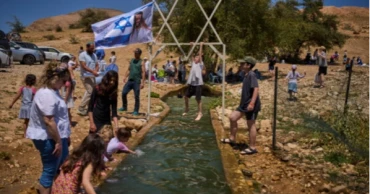
Far-right settlers divert West Bank spring water as Israel backs heritage site takeovers
Natural springs and centuries-old pools across the occupied West Bank have traditionally offered relief from the region’s intense summer heat and served as an important source of water for Palestinian communities, supporting both tourism and agriculture.
But access to many of these water sources is becoming increasingly restricted for the 2.8 million Palestinians living in the territory, as Israeli settlers, backed by a hard-line government, intensify efforts to take control of springs and archaeological and heritage sites.
In one case this summer, water from a natural spring serving the Palestinian village of Fasayil was diverted to a nearby ancient pool. The people who redirected the water used it to fill the pool and promoted it as a new tourist attraction named after Herod, the Roman-appointed king of Judea.
Under agreements reached in the 1990s, the pool is located in Area C, which remains under full Israeli military control. Research by Dror Etkes, head of settlement watchdog Kerem Navot, found that the land was privately owned.
Palestinian farmer Saad Nemer of Fasayil said the diversion had severely affected his farmland. He said his family possesses documents showing ownership of the land. COGAT, the Israeli military body responsible for civilian affairs in the West Bank, acknowledged that the water had been diverted “without authorization” and said the matter would be investigated.
Other swimming spots have also become flashpoints. An Israeli father of six was shot and killed last week by a Palestinian at a spring in the northern West Bank while he was swimming with his eldest son ahead of the Yom Kippur holiday.
Israel backs Jewish heritage projects
Israel has controlled the West Bank since capturing the territory, along with east Jerusalem and the Gaza Strip, from Jordan and Egypt during the 1967 war. Since then, Israel has established settlements housing more than half a million Israelis on land Palestinians seek for a future independent state.
Most of the international community considers the settlements illegal. Earlier this month, amid increased settler violence and actions that have displaced Palestinians, the British government accused Israel of turning “a blind eye” to what it described as “ethnic cleansing of Palestinians in areas of the West Bank — perpetrated by settler terrorists.”
Prime Minister Benjamin Netanyahu has condemned settler violence but attributed it to a “handful of rioters” whom he said were harming the reputation of the “law-abiding settler public.”
Israeli rights group B’Tselem said efforts to take control of and designate heritage sites are part of a broader campaign. In a report published this month, the group said such designations are used to strengthen claims about Israel’s and Jewish people’s historical, cultural and religious connections to the West Bank.
Alon Arad, executive director of Emek Shaveh, an Israeli group opposed to the politicization of archaeology in Israel and the Palestinian territories, said naming the pool near Fasayil after Herod was an effort to associate the site with Jewish history.
The site has never undergone archaeological excavation, making its exact construction date unclear. However, excavations by the archaeology unit of Israel’s Civil Administration have found other ruins in the area dating to Herod’s reign in the first century B.C.E.
Heritage Minister Amichai Eliyahu told The Associated Press that the pool would be drained after the Jewish holidays in early October so government archaeologists could conduct a full survey.
Eliyahu praised those who diverted the water and said the government had allocated about $1 million to rehabilitate the site. He said this was part of at least $166 million allocated for excavations and infrastructure at more than 100 sites he described as connected to Jewish heritage in the West Bank.
“We’ll turn this place into the Garden of Eden,” Eliyahu said while visiting the pool near the Petzael settlement.
“There is no such thing as a Palestinian nation,” he added before entering the water.
Water restrictions leave Palestinian fields dry
The dispute over access to water in this fertile part of the West Bank reflects the broader struggle for control of the territory, particularly the Jordan Valley. Palestinians regard the area as an important agricultural region for a future state, while Israel considers it strategically important for its eastern border.
Palestinians have faced restrictions and shortages in access to water since Israel took control of the West Bank in 1967. Interim peace agreements reached in the 1990s recognized Palestinian water rights but maintained a system under which about 80% of water extracted from the main aquifer was allocated for Israeli use.
Settler attacks have further intensified the problem. According to a July report by the United Nations Office for the Coordination of Humanitarian Affairs, settlers damaged, destroyed or seized about 160 water and sanitation facilities, including pipelines and cisterns, in Palestinian communities in 2026.
The report said attacks increasingly targeted shared water infrastructure and disrupted supplies to entire communities or large parts of them.
In Al Auja in the Jordan Valley, the seizure of local natural springs by settlers has forced some Palestinian farmers to stop cultivating their land.
Murad al-Juba, 53, once produced large quantities of fruits and vegetables, including cantaloupes, eggplants, bananas and tomatoes. But he said he has been unable to plant crops since settlers moved into the area, harassed residents and diverted the spring water.
“All these farms depend on the spring, but today, the spring is gone, because the settlers took it,” Juba said.
More recently, settlers have “completely taken over” the spring’s waterfall and transformed the surrounding area into a “quasi-military zone,” said Hani al-Njoum, the local mayor. He said the situation has seriously harmed both tourism and agriculture.
“This land was bountiful,” Juba said. “Today, it is a desert.”
1 month ago
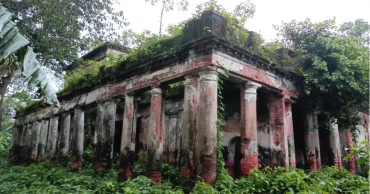
Jhenaidah’s heritage sites: Glory fading into dust
Jhenaidah’s 21 officially recognised heritage sites across six upazilas, with their rusting gates, crumbling walls, and silent courtyards, now teeter on the brink of ruin, victims of neglect, indifference and the passage of time.
Walking through the grounds of the 19th-century Nilkuthi building at Khalishpur in Maheshpur upazila, it is hard to imagine that this dilapidated structure was once a bustling centre of colonial activity. Its walls, gazette-listed in 2012, are now pockmarked with decay, and weeds creep through the cracked floors.
“After gazette listing, official supervision has effectively stopped. Some structures are even on private land, making preservation even more complicated,” says local resident Russell Ahmed.
Jhenaidah’s heritage is not limited to Nilkuthi. The Miyar Dalan, the historic Shahi Mosque in Shailkupa upazila, the Rajbari Temple in Naldanga upazila, and the ancient mosque in Borobazar all bear the scars of neglect.
Read more: UNESCO World Heritage Sites in Bangladesh
The ancestral homes of Ila Mitra, a prominent leader of the Tebhaga Movement, and Professor Kalipada Basu, a renowned mathematician, are quietly crumbling, their stories at risk of being erased from public memory.
According to the Department of Archaeology, these 21 structures are legally protected. Yet, field inspections reveal an uncomfortable truth: most lack effective security, maintenance, or even proper signage. Without intervention, their historic and cultural value may soon exist only in textbooks.
“Heritage is not just about old buildings; it is the soul of a community,” says Sujon Biplob, secretary of the Shailkupa Ila Mitra Memorial Preservation Council. “These sites could boost tourism, educate younger generations, and preserve our identity—but if we remain silent, they will vanish quietly.”
9 months ago

Wales’s Stream in the Sky: World’s Tallest Navigable Aqueduct Pontcysyllte
Rising high above the Dee Valley in Northeast Wales under the United Kingdom, a remarkable structure stretches across the landscape, both graceful and bold. Known as the 'Stream in the Sky,' the Pontcysyllte Aqueduct stands as the tallest navigable aqueduct in the world. This awe-inspiring engineering marvel has earned its place as a UNESCO World Heritage Site and attracts travellers worldwide. Let’s explore the waterway that defies gravity.
Architect of Elevation: The Visionary Behind This Specialty
Suspended high above the River Dee, this aqueduct invites a rare encounter with both nature and ingenuity. At 38 metres above the ground and stretching 307 metres in length, this 'Stream in the Sky' appears to defy gravity. Its presence is as serene as it is commanding, an elevated ribbon of water slicing through the skies of North Wales.
Completed in 1805 after a decade of construction, the aqueduct stands as a masterpiece of the Industrial Revolution. Its creator, Thomas Telford, a visionary known as "The Colossus of Roads", combined structural brilliance with poetic ambition. The result: an enduring monument to progress, elevated quite literally.
Read more: Smiling Quokka Turned Rottnest Island into a Global Tourist Hotspot
Comprising 18 massive stone arches, the sky-bound channel carries the Llangollen Canal across the Dee Valley, linking England to Wales. Nestled within an officially designated Area of Outstanding Natural Beauty, this engineering marvel remains as functional as it is breathtaking.
Crossing Heights: Breathtaking Experiences
Adventuring over the span of the waterway demands more than curiosity; it calls for composure at elevation. Kayakers, paddle boarders, and narrowboat passengers all share the same breathtaking route. Each navigates a narrow channel flanked by open air and far-reaching countryside views.
For those who prefer their feet on solid ground, walking the aqueduct provides a steadier yet equally rewarding perspective. The gentle sway of the towpath and uninterrupted vistas make for a contemplative journey. At day’s end, the nearby visitor centre offers insight into its construction, detailing the techniques and vision behind its creation.
Read more: UNESCO World Heritage Sites in Bangladesh
Just steps away, the Pontcysyllte Tea Rooms present a peaceful retreat. Whether after a skyward adventure or a valley walk, this welcoming stop completes the experience.
From Global Heritage to Viral Wonder
Since being inscribed as a UNESCO World Heritage Site on 27 June 2009, Pontcysyllte Aqueduct has steadily grown into one of the most visited landmarks in Wales. Each year, it draws over half a million visitors. They are captivated by its towering design, engineering significance, and sweeping views over the Dee Valley.
In recent years, the historic structure has also found fame in the digital sphere. Social media platforms have been flooded with posts capturing the experience of walking, kayaking, or boating across its narrow expanse. Its videos amassed over 1.8 million views, sparking widespread fascination across the internet. The structure’s sheer height and dramatic setting have made it a favourite subject for reels, travel vlogs, and scenic montages.
Read more: City Guide to Bangkok, Thailand for Bangladeshis
Reactions in the comment sections reveal a mix of awe, nostalgia, and personal connections. Some praised it as one of the most exciting adventures in North Wales. Others recounted family ties to its maintenance or restoration. A few expressed a sense of vertigo while admiring the beauty, describing the railings as unnerving yet the surroundings as unforgettable.
1 year ago
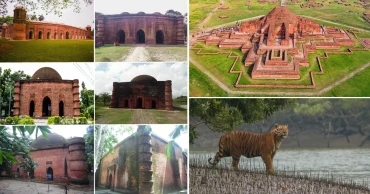
UNESCO World Heritage Sites in Bangladesh
Bangladesh, a land rich in culture and history, proudly hosts several UNESCO World Heritage Sites that reflect its diverse heritage and natural wonders. From the serene Sundarbans—the world’s largest mangrove forest—to the ancient architectural marvels of Bagerhat and Paharpur, these sites are globally recognised for their cultural and ecological significance.
Each heritage site tells a unique story of the country’s past, offering a glimpse into its spiritual, artistic, and environmental legacy. As tourism grows and conservation becomes crucial, these treasures not only attract global admiration but also highlight the importance of preserving history for future generations.
List of World UNESCO Heritage Sites in Bangladesh
Here is a closer look at Bangladesh’s iconic UNESCO World Heritage Sites.
Historic Mosque City of Bagerhat
Located in the Bagerhat District in the southwestern region of Bangladesh, the Historic Mosque City of Bagerhat is one of the country's most treasured UNESCO World Heritage Sites. Recognised in 1985 under UNESCO's cultural heritage list, this ancient city offers a fascinating glimpse into the Islamic architectural legacy of the Bengal Sultanate era.
Originally known as Khalifatabad, the city was founded in the 15th century by a revered Turkic general and Sufi saint, Ulugh Khan Jahan, who was appointed governor by Sultan Mahmud Shah. Spread across nearly 50 square kilometres, the city flourished along the banks of the Bhairab River near the edge of the Sundarbans and became an urban masterpiece of its time.
Read more: Top 15 Heritage Sites of Bangladesh
Bagerhat is especially renowned for its incredible brick architecture, with the iconic Sixty Dome Mosque (Shat Gombuj Masjid) standing as the centrepiece. Built using baked bricks, the mosque features 77 domes supported by 60 stone pillars and showcases a distinctive blend of Persian, Arab, and Bengali architectural influences. Beyond its religious function, it also served as a madrasa and assembly hall.
1 year ago

Old Dhaka's Iftar bazar heats up, even as prices pinch
As the month of Ramadan started, the bustling streets of Old Dhaka came alive with the aroma of spices and the sizzle of frying pans. The Iftar bazars in this ancient section of the capital are a battleground for traditional dishes vying to be crowned the ultimate feast to break one's fast.
Amongst the labyrinthine lanes of Chawkbazar, Islampur, Bangla Bazar, and the roadside tong shops, vendors engage in a spirited rivalry to tantalize the taste buds of the devout.
Chawkbazar stands as a bastion of tradition in the realm of Iftar markets, offering a cornucopia of culinary delights. Here, amidst the throng of eager patrons, one can find an array of Iftar staples: chickpeas, piaju, puri, chop, and juice, alongside a plethora of innovative creations.
The alleys of Islampur and Bangla Bazar also boast diverse assortments of Iftar treats, showcasing the rich culinary heritage of the region.
Central to the charm of Chawkbazar is the legendary 'Boro Baper Polay Khay' Iftar, a concoction steeped in tradition and flavor. Comprising an eclectic mix of 15 ingredients, including chicken, minced meat, cotton kebab, and an assortment of spices, it embodies the essence of Old Dhaka's culinary heritage. Priced between Tk 800 to Tk 1200 per kilogram, it stands as a testament to the enduring appeal of tradition.
With two more demises today, death toll from Gazipur gas cylinder blast rises to 5
However, a newcomer to the scene, 'Shob Baper Polay Khay,' poses a formidable challenge to the reigning champion. Vendors tout its credentials, proclaiming, "This is the traditional food of Dhaka, the best of Chawkbazar." They claim that their food has a 78-year-old tradition.
Kebabs reign supreme in this gastronomic arena, with vendors proudly presenting an assortment of tantalizing options. From Tengri Kebab to Suti Kebab, Sheek Kebab, and Kathi Kebab, the choices are as diverse as they are delectable. Whole chicken roasts, quail roasts, and succulent leg of goat roasts vie for attention alongside savory beef haleem and fragrant biryanis. Vegetarian offerings such as vegetable naan, milk naan, and keema paratha cater to diverse palates, while vendors employ persuasive advertising tactics to attract discerning buyers.
2 years ago

Over ‘350-year-old’ Dhaka Gate opens to visitors
Historic Dhaka Gate, also known as Mir Jumla Gate or Ramna Gate, was opened to the public on Wednesday (January 24, 2024).
Dhaka South City Corporation Mayor Sheikh Fazle Noor Taposh re-inaugurated the gate by unveiling the cover of the main stone.
Read more: How to Identify an Authentic Bangladeshi Jamdani Saree?
Lime, betel nut, khoir, molasses, and Maddhapara granite stone chips are the materials used in the reconstruction of the Dhaka Gate
The Dhaka Gate is located at the intersection of the Curzon Hall of Dhaka University, the Suhrawardy Uddyan and the Science Library.
2 years ago

Top 15 Heritage Sites of Bangladesh
Heritage sites are cultural and natural treasures that provide a glimpse into the rich history and traditions of a country or region. These sites hold significant historical, architectural, or cultural value and are preserved for future generations. Bangladesh, a country brimming with captivating stories and ancient wonders, boasts a plethora of such heritage sites. Keep reading as we go over 15 must-visit heritage sites in Bangladesh.
15 Most Well-known Heritage Sites in Bangladesh
Sundarbans
The Sundarbans, located in Khulna, in the southwestern part of Bangladesh, is the world's largest mangrove forest and a UNESCO World Heritage Site since 1987. It covers approximately 10,000 square kilometres and is known for its rich biodiversity.
Read more: 5 Sundarbans eco resorts to experience world’s largest mangrove forest
3 years ago

BGMEA organises Art Camp to promote Bangladesh's culture, heritage
The Bangladesh Garment Manufacturers and Exporters Association (BGMEA) has organised an art camp as part of its Brand Bangladesh initiative, in addition to its core focus to promote the apparel industry.
Sixty-two renowned artists, including Monirul Islam, Shahabuddin Ahmed, Hashem Khan, Abul Barq Alvi, Abdus Shakoor Shah, Abdul Mannan, Mohammad Eunus, Jamal Ahmed, Shishir Bhattacharjee, Farida Zaman, Hamiduzzaman Khan, Naima Haque, Rokeya Sultana, Dhali Al Mamoon, Shahid Kabir, Ahmed Shamsuddoha, Hossain Sheikh Afzal, Mohammad Iqbal, Mostafizul Haque, Mostafa Zaman Mithu, Afrozaa Jamil Konka, and Sohana Shahreen joined the "Made in Bangladesh with Pride Art Camp 2023" in Dhaka Sunday.
BGMEA President Faruque Hassan inaugurated the camp which was organised by the organisation in collaboration with Arcadia Arts Gallery.
3 years ago

Ukraine's Odesa added to world heritage list amid threats of destruction
The historic centre of the port city of Odesa, in Ukraine, has been inscribed on the UN's cultural body's world heritage list, 11 months since the full-scale Russian invasion.
"Odesa, a free city, a world city, a legendary port that has left its mark on cinema, literature and the arts, is thus placed under the reinforced protection of the international community," said UN Educational, Scientific and Cultural Organization (UNESCO) Director-General Audrey Azoulay Wednesday.
"While the war continues, this inscription embodies our collective determination to ensure that this city, which has always surmounted global upheavals, is preserved from further destruction."
The decision commits the 194 States Parties of the Convention – which includes Russia – not to undertake any deliberate step that may directly or indirectly damage the world heritage site and to assist in its protection.
The historic centre of Odesa has also been inscribed on the more than 50-strong list of world heritage in danger, which gives it access to reinforced technical and financial international assistance.
Ukraine may request this, to ensure the protection of the property and, if necessary, assist in reconstruction, if attacked.
Given the threats to the city from Russia's armed forces and irregulars, the World Heritage Committee used an emergency procedure provided for by the World Heritage Convention.
Read more: French baguettes, Chinese traditional tea-making added to world heritage list
As early as the summer of 2022, UNESCO linked international experts with Ukrainian experts to prepare the nomination, with the support of Italy and Greece.
Ukraine's President Zelensky made the submission official in October 2022, and the nomination was evaluated over the following weeks.
In parallel with the inscription process, UNESCO implemented emergency measures on the ground to help protect the site.
Notably, the organisation ensured repairs were carried out following damage inflicted by Russian attacks on the Odesa Museum of Fine Arts and the Odesa Museum of Modern Art.
So far, the historic western Ukrainian city has not come under the kind of sustained bombardment that laid waste to the once-thriving port city of Mariupol, hundreds of kilometres to the east.
3 years ago

Majestic Silks of Bangladesh Exhibition by Maheen Khan: Fashion in silk gets the heritage touch
Showcasing the rich history of Bangladesh's illustrious silk industry as well as efforts to support and promote local designs, a three-day exclusive solo fashion exhibition titled ‘Majestic Silks of Bangladesh Exhibition by Maheen Khan’, is currently underway at the Nordic Club, Gulshan in the capital.
The solo design exhibition began on Tuesday (December 27, 2022), featuring some of the unique designs of eminent Bangladeshi fashion designer Maheen Khan, the founding president of the Fashion Design Council of Bangladesh (FDCB) and the founding managing director of Mayasir, a trend-setting brand that emphasizes the nation's traditional embroidery.
Sharing her motifs and visions with UNB regarding her major solo exhibition in a long time, Maheen Khan said that this event is proudly showcasing some of the exclusive, handmade crafts as a befitting tribute to the country’s majestic silks.
Read more: BGMEA, Fashion Design Council to promote khadi globally
3 years ago