Health-&-Fitness
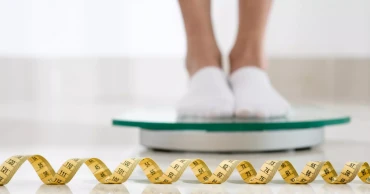
How to Avoid Winter Weight Gain
Winter's cozy appeal often tempts us to indulge in comfort foods and stay indoors, making it harder to keep the extra kgs off. With colder weather and lower motivation to stay active, cravings for rich, hearty meals increase. However, winter doesn’t have to mean weight gain—by following simple, effective strategies, you can maintain or even improve your fitness throughout the season.
Why is it Difficult to Lose Weight in Winter?
Unlike summer, people love to stay indoors during the colder months. Winter lifestyle often leads to the ignoring of regular exercise and diet. Let’s consider the key reasons why it is hard to maintain or lose weight during the winter season.
Lower Activity Levels
Shorter days and colder weather often reduce outdoor activities. For many people, winter means fewer walks, less jogging, and a reduction in sports or activities that require leaving the warmth of home. This drop in activity naturally affects calorie expenditure, leading to a slower metabolism and, consequently, potential weight gain.
Read more: 10 Delicious Quinoa Recipes for Weight Loss
Comfort Food Cravings
During the colder months, we crave warm, filling foods high in calories, fats, and carbs. These cravings are not just psychological—your body uses more energy to keep you warm, which can cause you to crave denser, more energy-rich foods.
Reduced Sunlight Exposure
Winter’s reduced sunlight can lower vitamin D levels, affecting mood and leading to Seasonal Affective Disorder (SAD) for some. SAD often causes fatigue, sadness, and carb cravings, reducing motivation to exercise and eat well. Low energy and mood make it harder to maintain fitness and balanced nutrition during the season.
Changes in Metabolism
Colder weather triggers the body to maintain its internal temperature, which can slightly increase the human body’s metabolic rate. However, this increase is inadequate to offset higher calorie intake from comfort foods. Instead, our bodies may go into a mild "hibernation mode," where metabolism slows as activity decreases, making weight loss a bit more challenging.
Read more: Delicious Oatmeal Recipes for Weight Loss
Tips to Avoid Winter Weight Gain
Though people want to live a more relaxed lifestyle during the colder months, following some strategies can prevent gaining extra pounds.
Stay Active Indoors
When outdoor exercise feels less appealing, find ways to keep moving indoors. There are countless ways to stay active at home, from following online workout videos to using home fitness equipment. You can try online classes in yoga, dance, or high-intensity interval training (HIIT).
Create a home gym setup with resistance bands, dumbbells, or kettlebells. You can also incorporate bodyweight exercises like squats, lunges, and push-ups that require minimal space. Staying active at home burns calories and keeps your mood and energy up during those winter days.
Read more: 10 Best Teas for Weight Loss
Set Winter Fitness Goals
Sometimes, all it takes is a goal to keep you focused. Setting specific, achievable goals like improving strength, running a certain distance, or completing a workout challenge can provide motivation. Winter is a perfect time to work on endurance, flexibility, or strength, as these can be developed indoors with minimal equipment.
Embrace Seasonal Vegetables and Light Comfort Foods
Winter foods do not have to be heavy to be comforting. Root vegetables like sweet potatoes, carrots, and parsnips, along with leafy greens like cabbage and spinach, are winter staples that are both nutritious and satisfying. Try making lighter versions of classic comfort foods, like soups and stews with plenty of veggies, lean proteins, and low-sodium broths.
Practice Mindful Eating
Mindful eating is all about slowing down and truly savouring each bite, which can help reduce overeating. In winter, many people tend to eat more out of boredom or to seek comfort. Therefore, it is necessary to pay attention to hunger cues and avoid eating in front of screens. Try to focus on each meal, chew thoroughly, and consider portion sizes.
Read more: Healthy Weight Gain Strategies: Add pounds fast safely, naturally
Choose Snacks Wisely
Smart snacking can prevent winter weight gain by curbing cravings and stabilizing energy. Choose high-protein, high-fibre options like yoghurt with apple slices with peanut butter. These snacks keep you full and help avoid unhealthy choices later. Stick to small portions and avoid sugary snacks that lead to quick energy spikes and crashes.
Control Your Stress
Managing stress, especially during the winter season, can help prevent weight gain. High stress increases cortisol, a hormone that can lead to weight gain and cravings for junk food. To keep stress levels low, try techniques like exercise, meditation, yoga, or deep breathing. These methods help control cortisol and reduce the likelihood of overeating unhealthy foods.
Boost Your Vitamin D Levels
Lower sunlight exposure in winter can lead to a drop in vitamin D, which plays a role in maintaining a healthy immune system and mood. You can boost vitamin D by spending a few minutes outside when the sun is out, even on colder days. Try including vitamin D-rich foods like fish, egg yolks, and fortified dairy. Consider discussing supplements with a healthcare provider.
Read more: Postpartum Weight Loss: How to lose baby weight fast after pregnancy
Stay Hydrated
It is common to drink less water in winter because the cold weather may make you less thirsty. However, hydration is just as essential in winter as in summer. Water helps keep metabolism running efficiently and prevents overeating, as thirst is sometimes mistaken for hunger. You should carry a water bottle around, and drink herbal teas for warmth and hydration without added calories.
Prioritize Sleep
Adequate sleep is essential for weight management because it regulates hormones that control hunger and appetite. Short winter days may disrupt sleep cycles, but try to maintain a regular sleep schedule. Aim for 7-9 hours of sleep per night to keep energy levels balanced and reduce cravings for sugary or high-carb foods.
Make Exercise a Social Activity
Staying active can be more fun with friends or family. Look for local winter sports or try virtual workout challenges with friends. Many gyms also offer winter workout programs or challenges that can help you stay consistent. Making fitness a social commitment adds accountability, increasing the likelihood of sticking to your routine.
Read more: 5 Healthy Winter Soup Recipes for Weight Loss
Plan Your Meals Ahead
Meal planning can help you avoid impulsive food choices that are high in calories. Prepare meals for the week, focusing on balanced nutrition and portion sizes. If you have healthy, ready-made meals at hand, you are less likely to reach for high-calorie options.
Keep Meals Balanced with Protein and Fiber
Winter meals often have plenty of carbs but lack protein and fiber, both essential for feeling full and managing weight. Protein boosts metabolism and reduces appetite, so aim for 25–30 grams per meal from sources like meat, poultry, fish, beans, and quinoa. Fiber also supports fullness and prevents overeating. Include fiber-rich foods like vegetables, fruits, whole grains, and nuts to help maintain balance and control calorie intake during festive meals.
Do not Skip Workouts
It can be tempting to skip workouts when it is dark and cold outside, but consistency is key. Even short workouts, such as a 20-minute HIIT session, can be effective. Maintaining a regular exercise routine will keep your metabolism running and help offset any extra calories from winter foods.
Read more: How to Lose Weight without a Strict Diet or Heavy Exercise
Final Words
Winter weight gain is avoidable with proactive habits. By recognizing winter’s triggers and making mindful choices, you can stay active, eat well, maintain balance, and lose extra pounds. Relish seasonal treats without derailing your health goals. With the right approach, you can enjoy the cold season feeling energized and motivated. Embrace winter, stay mindful, and prioritize your health throughout the season.
Read more: How Does Fat Leave the Body When We Lose Weight?
1 year ago

How to Keep Your Baby Comfortable and Healthy While Using Air Conditioner or Cooler
In Bangladesh's hot weather, air conditioners (ACs) and coolers often become necessities to beat the heat. However, as a parent, ensuring your baby’s comfort and wellbeing in such environments can be tricky. Babies are more sensitive to temperature changes, and without proper care, they might catch a cold. So, how do you balance the need for cooling while keeping your baby healthy?
Why Babies Catch Cold Under ACs
Babies Have Weaker Immune Systems
Babies, especially newborns, have developing immune systems. This means they are more susceptible to catching colds and infections, which can be triggered by their surrounding ambients, such as exposure to cold air from ACs.
Rapid Temperature Changes
One key reason babies catch cold under ACs is the rapid shift from warm to cool temperatures. Imagine stepping out of a hot, humid day into a chilled room—you will feel the difference immediately. For babies, such abrupt changes in temperature can hurt their respiratory system, making them more prone to colds and related illnesses.
Read more: How to comfortably travel with babies
Dry Air in AC Rooms
ACs tend to remove moisture from the air and make the room dry. Babies’ nasal passages can get dried out, making them more vulnerable to respiratory issues and colds. They may also experience dry skin, which can lead to discomfort.
Babies' Inability to Regulate Body Temperature
Unlike adults, babies cannot regulate their body temperature effectively. This means they might feel colder or warmer than you do under the same conditions. Though a room’s temperature might seem comfy for grown-up children and adults, it can be too cold for a baby, increasing risk of catching a cold.
1 year ago
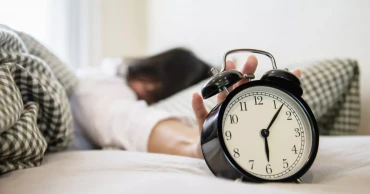
How to Fix Your Sleep Routine: Know the Do's and Don'ts
Sleep disturbances are becoming more common in today’s fast-paced world, impacting our health, mood, and productivity. Poor sleep not only leaves us feeling exhausted but also affects our mental and physical well-being. Fixing your sleep schedule is essential for long-term health, and this guide will help you understand the do‘s and don'ts of getting better rest.
Effective Steps to Fix Your Sleep Schedule
Set a Regular Sleeping and Waking Time
The foundation of a healthy sleep routine is consistency. It would be helpful, if you could establish a fixed bedtime and wake-up time every day, even on weekends. This helps regulate your internal clock, training your body to expect sleep at a particular time. This practice makes it easier to fall asleep and wake up naturally.
Develop a Relaxing Pre-Sleep Routine
A soothing bedtime routine signals your brain that it is time to wind down. Engage in calming activities like reading, listening to soft music, or practising meditation. It is necessary to avoid mentally stimulating tasks such as watching intense TV shows or doing work, as they can keep your brain active when you are trying to sleep.
Upgrade to a Comfortable Mattress and Pillows
A good night’s sleep depends on a comfortable sleeping environment. Your mattress and pillows should provide proper support. If they are old or uncomfortable, consider investing in high-quality bedding that caters to your comfort and enhances sleep quality. A well-supported body is less likely to wake up during the night.
Read more: Bonnell Vs Pocket Spring Mattress: Which is the Best for Good Sleep?
Adjust Bedtime Gradually
If you are trying to reset a late bedtime, do so slowly. Shifting your sleep time by 15-30 minutes each night is more sustainable than making drastic changes. This incremental adjustment helps your body adapt without the shock of suddenly going to bed hours earlier than usual.
Keep Your Bedroom Cool and Quiet
A cool, quiet environment promotes deeper sleep. Use earplugs or white noise machines to drown out any disruptive sounds. The right temperature and noise level create the ideal conditions for uninterrupted, restorative sleep.
Control Light Exposure Throughout the Day
Natural light in the morning helps reset your internal clock and makes it easier to feel sleepy at night. In the evening, dim your lights and minimise screen time at least an hour before bed to avoid blue light, which inhibits melatonin production. You may use blackout curtains or a sleep mask to keep your room dark.
Limit Daytime Naps
Though naps can help you recover from fatigue, they can also affect your ability to fall asleep at night. If you need to take a nap, keep it brief—about 20-30 minutes and try to avoid napping late in the afternoon. This way, you will be tired enough to sleep through the night.
Read more: Common Sleep Problems in Children: Causes, Symptoms, Ways to Help
Watch What You Eat and Drink
What you eat and drink can greatly affect the quality of your sleep. Avoid caffeine, alcohol, and heavy meals in the evening, as they can interfere with sleep. Caffeine stays in your system for hours, while alcohol disrupts your sleep cycle. You can have a light snack like almonds or a banana if you are hungry before bedtime.
Incorporate Regular Exercise into Your Routine
Exercising regularly improves sleep quality by reducing stress and tiring your body. However, avoid vigorous workouts close to bedtime as they can elevate your heart rate and energy levels, making it harder to wind down. Instead, aim for exercise earlier in the day to enhance your nighttime rest.
1 year ago

How to Prevent and Treat Mpox
Mpox, previously known as monkeypox, is a rare viral disease caused by the mpox virus. Although it was initially found in Central and West Africa, the disease has spread to other parts of the world, due to factors like international travel and close contact with infected individuals. With the outbreak of mpox in 2022, it's more important than ever to understand how to prevent and treat this illness. Let’s learn about the most effective ways to prevent and treat mpox.
What Is Mpox?
Mpox is a zoonotic disease, meaning it can spread from animals to humans. It is caused by the mpox virus, which typically affects rodents and non-human primates. The disease is similar to smallpox but usually less severe.
Mpox is characterized by a fever, rash, and swollen lymph nodes, with symptoms lasting 2 to 4 weeks. The disease can be severe, leading to complications such as severe scarring, blindness, and even death in rare cases.
How Does Mpox Spread?
Mpox spreads through close contact with an infected person or animal. It can also spread through handling materials like bedding or clothing contaminated with the virus. The virus can be transmitted from person to person through:
- Direct contact with an infected person's rash, scabs, or body fluids.- Extended close contact with respiratory droplets, including sexual contact.- Contact with contaminated objects, such as clothes or blankets.
Read more: What is Mpox? How does it affect people?
How to Prevent Mpox
Prevention is key to controlling the spread of mpox. By taking the following steps, you can reduce your risk of infection:
Avoid Close Contact with Infected Individuals
If you know someone who has been diagnosed with mpox, avoid close physical contact with them until they have fully recovered. Mpox is most contagious when the infected person shows symptoms, particularly when they have a rash.
Use Protective Measures
If you must be in contact with someone who has mpox, wear personal protective equipment (PPE) such as gloves, masks, and gowns. This is especially important for healthcare workers and those caring for infected individuals at home.
Practice Good Hygiene
Wash your hands frequently with soap and water, especially after coming into contact with an infected person or animal. If soap and water are not available, use an alcohol-based hand sanitizer.
Avoid Contact with Potentially Infected Animals
Mpox can also spread from animals to humans. Avoid contact with animals that may carry the virus, such as rodents or non-human primates. Do not handle or consume wild game that may be infected, and avoid contact with animal products, such as furs, that could be contaminated.
Disinfect Contaminated Items
If you have been in contact with an infected person or animal, disinfect any objects or surfaces that may have been contaminated. Use a bleach solution or other disinfectant to clean clothing, bedding, and other items.
Get Vaccinated
Vaccination is one of the most effective ways to prevent mpox. The smallpox vaccines, such as ACAM2000 and Jynneos, have been shown to protect against mpox because of the close relationship between the smallpox and mpox viruses.
The Centers for Disease Control and Prevention (CDC) recommends vaccination for those who have been exposed to pox or are at high risk of exposure.
Isolate Infected Individuals
If someone in your household has mpox, isolate them in a separate room to prevent the virus from spreading to others. Ensure they use separate bathroom facilities if possible, and do not share personal items like towels or bedding.
Practice Safe Sex
Since mpox can spread through sexual contact, it's important to practice safe sex, especially if you or your partner have been exposed to the virus. Use condoms and dental dams to reduce the risk of transmission.
Read more: Mpox: Common Signs and Symptoms
How to Treat Mpox
While there is no specific cure for mpox, the disease is usually self-limiting, meaning it resolves on its own with proper care. Treatment focuses on relieving symptoms and preventing complications.
Symptom Management
The primary goal of treatment is to manage the symptoms of mpox. This includes:
Pain Relief: Over-the-counter pain relievers, such as ibuprofen or acetaminophen, can help reduce fever and alleviate pain.Skin Care: The mpox rash can be itchy and uncomfortable. Taking oatmeal baths can help soothe the skin and reduce itching. Applying topical treatments recommended by a healthcare provider can also help.Hydration: Drinking plenty of fluids is essential to prevent dehydration, especially if you have a fever. Staying hydrated also helps keep your skin healthy as it heals from the rash.
Isolation and Rest
If you have mpox, it's crucial to isolate yourself from others to prevent spreading the virus. Stay home, rest, and avoid contact with other people and pets until all lesions have healed. Cover any open sores with bandages or gauze to prevent the spread of the virus.
Antiviral Medications
In severe cases, or for individuals with weakened immune systems, healthcare providers may prescribe antiviral medications like tecovirimat (TPOXX) or cidofovir. These medications are approved for treating smallpox and may be effective against mpox, but more research is needed to confirm their efficacy.
Preventing Secondary Infections
Mpox can lead to secondary bacterial infections, especially if the skin is broken due to scratching. If a secondary infection develops, your healthcare provider may prescribe antibiotics to prevent further complications.
Monitoring and Support
If you have been diagnosed with mpox, your healthcare provider will monitor your condition and provide support as needed. This may include regular check-ins to ensure your symptoms are improving and to address any complications that may arise.
Immune Globulin Therapy
For individuals who are unlikely to respond to the vaccine or antiviral treatments, healthcare providers may consider using vaccinia immune globulin (VIG), which contains antibodies from people who have received the smallpox vaccine. This therapy can help boost the immune system's response to the virus.
Conclusion
Mpox is a serious disease that requires careful attention to prevention and treatment. By understanding how the virus spreads and taking steps to protect yourself and others, you can reduce the risk of infection.
If you do contract mpox, focusing on symptom management and isolation can help you recover safely. Stay informed, practice good hygiene, and consult your healthcare provider if you suspect you have been exposed to or infected with mpox.
Read more: How Mpox Virus Spreads
1 year ago

How Mpox Virus Spreads
Mpox, previously known as monkeypox, is a viral infection that has grabbed global attention due to its increasing spread and impact on public health. This virus is part of the same family as smallpox but is generally less severe. Let’s explore the various ways mpox can be transmitted from one individual to another.
Direct Human-to-Human Transmission
Close or Intimate Contact
One of the primary ways mpox spreads is through close or intimate contact with an infected individual. The virus can be transmitted through direct skin-to-skin contact with the rash, scabs, or bodily fluids of someone who has mpox.
This contact can occur during various forms of intimate activities, including sex, kissing, or hugging.
Pregnant individuals who contract mpox can also pass the virus to their fetus during pregnancy or to their newborn during and after birth. Additionally, prolonged face-to-face interactions, such as talking or breathing in close proximity to an infected person, can also facilitate the spread of the virus through respiratory secretions, including saliva, snot, and mucus.
Read more: What is Mpox? How does it affect people?
Touching Contaminated Objects and Surfaces
Another significant mode of transmission for mpox is through contact with objects, fabrics, and surfaces that have been contaminated by an infected person. This includes items like clothing, bedding, and towels that have not been properly disinfected.
The virus can survive on these surfaces for extended periods, making it easy for someone else to contract the virus by touching these contaminated items.
Respiratory Droplets
While close physical contact is the most common way mpox spreads, the virus can also be transmitted through respiratory droplets. During face-to-face interactions, especially over a prolonged period, the virus can be expelled into the air through coughing, sneezing, or even talking.
These droplets can then be inhaled by another person, leading to infection. However, it is important to note that the risk of transmission through respiratory droplets is lower compared to direct skin-to-skin contact.
Sexual Transmission
The mpox virus can be transmitted through sexual activity. Democratic Republic of Congo (DRC) has had some cases where mpox transmission was linked with sexual contact, highlighting the importance of safe sexual practices in preventing the spread of mpox.
Read more: Mpox: Common Signs and Symptoms
Animal-to-Human Transmission
Contact with Infected Animals
Mpox is a zoonotic virus, meaning it can spread from animals to humans. The virus is endemic in certain regions of West and Central Africa, where it is naturally found in small wild animals, including rodents and primates.
Humans can contract the virus through direct contact with these infected animals, their fluids, or waste. Activities such as hunting, trapping, or processing wild animals in these regions pose a higher risk of contracting mpox.
1 year ago

How to Stay Safe from Snakes During and After Flood
The ongoing flood is wreaking havoc on human lives, livestock, wildlife, and properties in affected areas of Bangladesh. Floodwater is washing away houses, trees, cattle, and people with the current. Apart from the rampage of floodwater, people also die from snake bites and other poisonous insects during the rainy season. To prevent such unwanted loss of lives, mass awareness is needed.
Why Do Floods Increase Snake Movement?
Floodwaters disrupt the natural environment, forcing snakes to leave their habitats in search of dry land. In a country like Bangladesh, where rivers crisscross the landscape, the risk of encountering snakes during and after a flood is particularly high. These reptiles may enter homes, fields, and even urban areas as they seek refuge from the rising waters.
Types of Snakes Commonly Found in Flood-Affected Areas
In Bangladesh, both venomous and non-venomous snakes prevail. A few of the common species are:
Russell’s Viper: One of the most dangerous venomous snakes in Bangladesh.Common Krait: Known for its potent venom and nocturnal behavior.Spectacled Cobra: A venomous snake that is often found in residential areas.Rat Snake: Non-venomous but can be mistaken for a cobra due to its size.
Knowing the types of snakes in your area can help you stay vigilant and take appropriate precautions.
Read more: Russell's Viper: Myths, Facts, and Everything You Need to Know
Cautions Before Inundation to Minimise the Risk of Snake Encounters
Preparation is key to reducing the risk of snake attacks during a flood. Here are some steps you can take before the floodwaters rise:
Secure Your Home
Ensure that your home is as snake-proof as possible. Check for gaps and holes in walls, doors, and windows where snakes could enter. Seal these openings with caulk or other suitable materials. Pay special attention to areas around pipes and drains, as snakes can use these as entry points.
Clear Your Surroundings
Keep your yard and surrounding areas clear of debris, tall grass, and piles of wood or trash. These can serve as hiding spots for snakes. Regularly trim bushes to reduce the likelihood of snakes taking up residence near your home.
Read more: Essential Snake Safety Tips for Hiking, Trekking, Camping, and Traveling
Double-check Household Items
Store food, water, and other essential items on elevated platforms to avoid attracting snakes into your home during a flood. Snakes may enter buildings in search of food, and eliminating potential food sources can reduce this risk.
Educate Your Family
Teach your family members, especially children, about the dangers of snakes and how to identify common species in your area. Make sure everyone knows how to respond if they encounter a snake, including keeping a safe distance and notifying an adult immediately.
Safety Measures During the Flood to Avoid Snake Attacks
When floodwaters rise, snakes are more likely to be on the move. Here’s how to stay safe:
Stay Indoor
If possible, stay indoor during the height of the flood. Snakes may be swimming in the water or seeking shelter on dry ground. Avoid wading through floodwaters, especially in areas where visibility is low.
Read more: Hollywood's Top 10 Most Thrilling Snake Films
Use a Stick to Probe Ahead
If you must walk through floodwaters, use a long stick to probe the ground ahead of you. This can help you detect any hidden snakes before stepping on them. Wear boots and long pants to protect your legs from potential bites.
Be Cautious Around Debris
Floodwaters can carry debris like logs, branches, and trash, which may provide hiding spots for snakes. Be cautious when moving or working near debris, and avoid reaching into areas where you cannot see clearly.
Keep Your Home Well-Lit
Snakes tend to avoid well-lit areas. If you’re using a generator or battery-powered lights, keep your home well-lit at night to deter snakes from entering.
Read more: Russell's Viper: Myths, Facts, and Everything You Need to Know
1 year ago
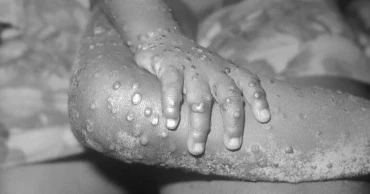
Mpox: Common Signs and Symptoms
Mpox or Monkeypox has become a global concern over the last two years since its outbreak in the Democratic Republic of the Congo in 2022. Mpox has so far crossed the boundary of Africa and made its way through Europe to Asia. To ensure the prevention of this viral disease, mass awareness is a must. Let’s take a look into the early symptoms, rash progression, risk factors, incubation period, and contagious duration of the Monkeypox disease.
Major Signs and Symptoms of Mpox
In the early stages of sickness, people affected by Mpox will simply feel unwell. They will be seemingly showing “flu-like” symptoms. Most people will only suffer from these mild symptoms and recover within a period of 2 to 4 weeks.
Early Symptoms
Early symptoms of Mpox include:
Fever: A fever is often one of the first symptoms to appear when someone is infected with Mpox. The body’s temperature rises as a natural defense mechanism to help fight off the virus. This increase in temperature can range from a mild elevation to a high fever, often making the person feel very uncomfortable. The fever may come and go in waves and can be accompanied by a few other symptoms.
Read more: Pakistan's health ministry confirms a case of mpox but more tests are being done for its variant
Headache: Alongside fever, headaches are a common early symptom of Monkeypox. These headaches can vary in intensity, ranging from mild discomfort to severe pain. The headaches are usually persistent and can make concentration and everyday activities difficult.
Chills: Chills are often experienced as sudden, involuntary muscle contractions that result in shivering. This symptom usually accompanies the fever and can make a person feel cold even when the body temperature is elevated. Chills are a response to the body’s effort to raise its core temperature to fight the infection.
Joint Pains: Joint pains, also known as arthralgia, are common in the early stages of Monkeypox. This discomfort can affect any joint of the body, including the knees, elbows, wrists, and fingers. Joint pain can range from mild to severe and may be constant or intermittent. It often leads to stiffness and difficulty in movement, contributing to the overall feeling of malaise.
Read more: Congo's humanitarian crisis helped mpox spiral again into a global health emergency
Backache: Backache is another frequent symptom, often adding to the discomfort experienced during the early stages of Mpox. The pain is usually centered in the lower back but can also radiate to other areas. This pain can be persistent and may worsen with physical activity or prolonged sitting.
Muscle Aches: Muscle aches, or myalgia, are common and can affect various parts of the body. These aches can range from dull, persistent pain to more intense discomfort that limits movement. Muscle aches can affect the entire body or be localized to specific areas, making physical activities challenging and contributing to the overall sense of fatigue.
Swollen Lymph Nodes: Swollen lymph nodes, also known as lymphadenopathy, are a key indicator of Monkeypox infection. The lymph nodes, particularly those in the neck, armpits, and groin, may become tender and noticeably enlarged. This swelling occurs as the body’s immune system ramps up its response to fight the virus.
Read more: Health ministry issues mpox alert: Vigilance at entry points; no cases detected in Bangladesh yet
Extreme Tiredness: Extreme tiredness, or fatigue, is one of the most debilitating symptoms of Mpox. This profound exhaustion goes beyond normal tiredness, leaving individuals feeling drained and unable to perform everyday tasks. Fatigue can persist throughout the illness, even when other symptoms begin to improve.
1 year ago

What is Mpox? How does it affect people?
On August 14, The World Health Organization (WHO) declared Mpox or Monkeypox as a public health emergency of international concern, which is the highest alert the organization can decree. Since its earlier detection in the Democratic Republic of Congo in 2022, Mpox has been spreading across continents contaminating and killing thousands of people.
Recently, this deadly disease has been detected in Pakistan, sprouting fear in the neighboring South Asian countries. To stay safe, mass awareness should be raised against Mpox.
What is Mpox or Monkeypox?
Mpox or Monkeypox is a disease caused by the Mpox virus. When infected by this virus, people show symptoms similar to those of smallpox, like rashes, discolored and swollen lymph nodes, headache, muscle aches, fever, and so on.
Read more: Health ministry issues mpox alert: Vigilance at entry points; no cases detected in Bangladesh yet
Quite rare in humans, the Mpox virus mostly affects rodents, like rats, and mice, and primates, like gorillas, and monkeys. However, for the last two years, a new variation has been alarmingly raising concerns about infecting humans and causing deaths.
Mpox Variations
Till now, only two variations of the Mpox virus have been found liable for human illness—Clade I and Clade II. According to researchers, the variations liable for the recent outbreak and the outbreak in 2022 are different.
The global outbreak of 2022 that infected around 100,000 people was caused by the Clade II variation, whereas, Clade I is liable for the recent situation. The two mutant types share a few differences in terms of their ways of transmission, and symptoms.
Read more: How to Keep Your Skin Healthy During Monsoon
Clade I
Clade I shows a pattern in its process of transmission, taking advantage of a person’s immunodeficiency, making them weak, and slowly pushing them towards death. The mortality rate among the Clade I victims ranges from 1% to 10%.
As per reports, the victims have been mostly the inhabitants of Congo. However, the number of victims went up due to the rapid contamination among people in other areas of the world. Clade I is more frequent among children who are infected through contact with animals or other members of their families.
Clade II
Clade II is responsible for the 2022 outbreak of Mpox. The death rate of Clade II is low, counting only 1% to 4%. The severity of the illness is also more tolerable, causing rashes on a random part of the body mostly around the face and torso instead of the full body.
Read more: Congo's humanitarian crisis helped mpox spiral again into a global health emergency
How Did the Recent Variation of Mpox Spread?
The transmission pathways of Mpox are diverse, including close personal contact, contact with contaminated materials, and interaction with infected animals. Clade II, has shown unique patterns of spread, which has raised new concerns and challenges for public health efforts. Here are some common modes of Transmission of Mpox virus.
Close Personal Contact
The primary mode of Mpox transmission is through close, personal contact with an infected individual. This includes direct skin-to-skin contact with an infected person’s rashes, scabs, or bodily fluids.
The virus can also spread through contact with respiratory secretions such as saliva or mucus. Intimate activities, such as sex, as well as prolonged face-to-face interactions, can facilitate the transmission of the virus.
Read more: Pakistan's health ministry confirms a case of mpox but more tests are being done for its variant
In the 2022 global outbreak of Clade IIb, the virus predominantly spread through sexual contact. This pattern of transmission underscores the importance of targeted public health messaging and interventions to prevent the further spread of the virus in at-risk populations.
Contact with Contaminated Materials
Mpox can also spread through contact with objects, fabrics, and surfaces that have been contaminated by an infected person. Items like bedding, towels, clothing can harbor the virus if they are not properly disinfected.
This mode of transmission highlights the importance of maintaining good hygiene practices and ensuring that environments, where infected individuals have been, are thoroughly cleaned and disinfected.
Read more: Comprehensive Guide to the Best Home Fitness Equipment in Bangladesh for 2024
Animal-to-Human Transmission
Another significant route of Monkeypox transmission is through contact with infected animals. Mpox is endemic in certain wild animals in West and Central Africa, particularly rodents. People can contract the virus by hunting, trapping, or processing these animals, or through bites, scratches, or direct contact with an infected animal’s fluids or waste.
While the risk of transmission from pets is low, close contact with an infected pet, such as petting, cuddling, or sharing sleeping spaces, could potentially spread the virus to humans.
Recent Developments in Mpox Spread
In recent outbreaks, particularly in the Democratic Republic of Congo, the Clade I variant of the Mpox virus has shown an alarming trend of spreading through sexual contact.
Read more: Circadian Rhythm: How to Reset the Biological Master Clock
Moreover, early evidence indicates that Clade I might possess certain properties that enhance its ability to spread from person to person more easily. This has raised concerns about the potential for more widespread outbreaks, particularly in regions with limited surveillance and healthcare infrastructure.
Conclusion
The recent variations of Mpox, particularly Clade II and Clade I, have shown concerning patterns of transmission.
The virus's ability to spread through close personal contact, contaminated materials, and interaction with infected animals highlights the importance of public awareness and targeted health interventions.
Read more: Cerebral Haemorrhage: Signs, Reasons, Treatment, and Prevention
As the situation evolves, understanding the transmission pathways of Mpox or Monkeypox is essential for controlling the spread and protecting vulnerable populations.
1 year ago

Comprehensive Guide to the Best Home Fitness Equipment in Bangladesh for 2024
In Dhaka, managing time for gym visits amid busy schedules and the notorious traffic is a challenge. Many are turning to home exercise equipment to achieve their fitness and weight loss goals conveniently at home. Here’s a comprehensive guide to some of the best home fitness equipment available in the Bangladeshi market in 2024 – to help you maintain fitness without stepping outside.
Fitness Equipment Available in the Bangladeshi Market in 2024
Motorized Treadmill Merrick U3s (LED screen)
A treadmill is an excellent choice for home cardio workouts. The Merrick U3s Motorized Treadmill stands out with its robust 2.5HP DC motor, supporting speeds up to 15 km/h. The 1210mm by 460mm running surface offers ample space, while the LED screen enhances your workout experience.
Its Bluetooth audio player adds a fun touch. Despite lacking an incline, it supports users up to 140 kg and folds compactly for storage. Usually, the sellers provide a 1-year motor and 2-year service warranty for this gadget. It costs around 45,000 Taka. Overall, it is a reliable and feature-rich treadmill for home fitness enthusiasts.
Read more: 7 Types of Strength Training And Their Benefits
15 kg Flywheel Spinning Bike BEASTLYE
Stationary bikes are ideal for low-impact cardio. The BEASTLYE JS001 Spinning Bike is an excellent addition to any home gym. Featuring a robust 15 kg flywheel, it delivers a smooth and challenging workout.
The adjustable seat and handlebars ensure a comfortable fit for all users, while the sturdy frame provides stability during intense sessions. Perfect for improving cardiovascular health and burning calories, this high-quality exercise bike is ideal for beginners and seasoned pros. Invest in the BEASTLYE JS001 to elevate your fitness routine. This home exercise bike is available in Bangladeshi markets for around 17,000 Taka.
Commercial Magnetic Elliptical Cross Trainer K8718HA
Elliptical trainers offer a full-body workout, combining the movements of running and stair climbing. The KPOWER K8718HA Commercial Magnetic Elliptical Cross Trainer is a top-tier choice for fitness enthusiasts. Equipped with a 15 kg two-way flywheel and an 8-level tension controller, it offers a versatile workout experience.
Read more: How Does Physical Activity and Exercise Affect Testosterone Levels?
The monitor tracks time, speed, distance, calories, and pulse, while the tablet and phone stand add convenience. With a maximum load capacity of 180 kg, it ensures stability and durability. This cross trainer is perfect for full-body workouts, improving cardiovascular health, and burning calories. It is priced at around 37,000 Taka.
Iron steel plates Adjustable Dumbbell MND
Dumbbells are versatile and essential for strength training. The MND Iron Steel Plates Adjustable Dumbbells are perfect for your home gym. Each dumbbell weighs 7.5 kg, totalling 15 kg, and features a wooden handle finish for a comfortable grip.
The innovative quick-change mechanism allows you to adjust the weights in seconds, saving time and enhancing your workout efficiency. Complete with a storage case holder, these adjustable dumbbells make switching weights effortless, allowing you to focus on building muscle and achieving your fitness goals. Ideal for strength training and muscle building at home. This home fitness gear is available for around 15,000 Taka in Bangladesh.
Read more: How Does Fat Leave the Body When We Lose Weight?
Kettle Bell 10 kg
Kettlebells are excellent for dynamic strength training exercises. The Life Fit 10 kg Kettle Bell is an excellent addition to any home gym. Its ergonomic, curved grip design ensures comfortable and secure handling, even during high-rep workouts. Made of high-quality metal with a slightly textured handle, it offers enhanced grip and durability.
This versatile kettlebell is perfect for a variety of exercises, including swings, lifts, and squats, helping improve strength, endurance, and cardiovascular fitness. Its sturdy construction and practical design make it a valuable tool for any fitness enthusiast. In the Bangladeshi market, this gadget costs around 4,000 Taka.
DAILY YOUTH FD5026 Foldable Magnetic Rower Rowing Machine
A rowing machine provides a comprehensive workout that engages multiple muscle groups. The Daily Youth FD 5026 Foldable Magnetic Rower, priced at 58,000 BDT, is a comprehensive fitness machine for home workouts. It effectively targets the cardio-pulmonary system, thigh muscles, and overall body harmony.
Read more: 10 Hazards at the Gym and How to Avoid Them
1 year ago

How Play Helps Children's Development: A Comprehensive Guide to Benefits
Play is not just a fun pastime for kids; it is essential for their overall development. Through play, children explore the world around them, experiment with ideas, and build crucial skills that will set them up for success in life. This comprehensive guide delves into the multifaceted benefits of play for a child's cognitive, emotional, social, and physical development.
Cognitive Development
Enhancing Creativity
Play stimulates a child's imagination, allowing them to explore new ideas and scenarios. Activities like building with blocks or creating stories foster creativity by encouraging problem-solving and critical thinking.
In this way, young children develop social skills, learn to express emotions, and build confidence. These experiences provide a safe space for experimenting and learning, laying the foundation for innovative thinking and cognitive growth throughout their lives.
Problem-Solving Skills
Through play, kids encounter challenges that require problem-solving. Engaging with puzzles, board games, and make-believe scenarios helps develop their critical thinking skills and ability to find solutions.
Read more: How to Teach Students to Accept and Overcome Academic Failures
These activities also teach patience, persistence, and adaptability. Additionally, play enhances memory and cognitive flexibility, allowing children to approach problems from various angles. This hands-on learning prepares them for real-life situations, fostering resilience and a proactive mindset.
Language Development
Engaging in play, especially with peers, encourages young children to communicate effectively. They learn new words, sentence structures, and conversational skills, enhancing their language abilities. Play also teaches kids to listen, share ideas, and negotiate, which are crucial for social interaction.
Through storytelling, role-playing, and collaborative games, a child can expand their vocabulary and understanding of language nuances, building a strong foundation for future communication and literacy skills.
Boosting Memory and Attention Span
Games that require concentration and recall, such as memory cards, help improve a child's memory and attention span. These activities challenge young children to remember patterns, sequences, or instructions, thereby enhancing their cognitive abilities.
Read more: Sibling Bullying and Abuse: Reasons, Types, Signs and Prevention
Engaging in such games, kids learn to focus for extended periods, sharpen their observation skills, and develop strategies for retention. This mental exercise supports academic learning and promotes effective learning habits and problem-solving skills.
1 year ago