
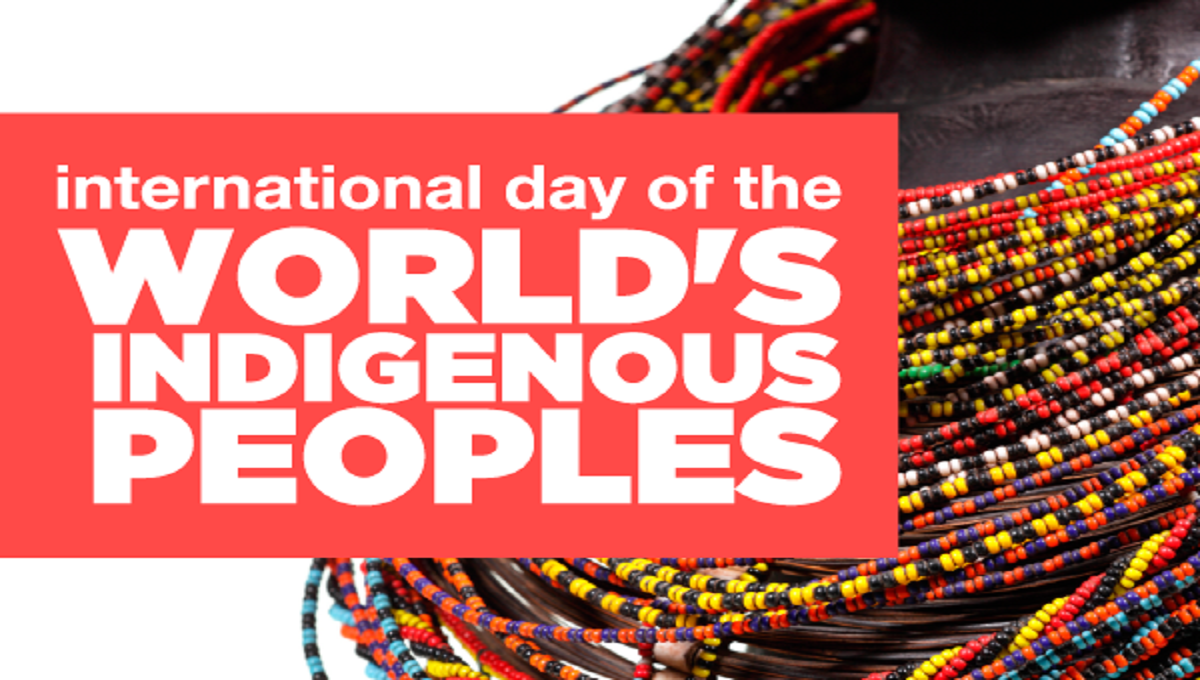
Representatives of Bangladeshi ethnic communities, Bangladesh film industry, human rights activists, local media representatives and diplomats watched the documentary, said the Australian High Commission on Wednesday.
The event’s theme, ‘Indigenous Languages’, recognised the United Nations’ observance of 2019 as the International Year of Indigenous Languages.
The Song Keepers tells the story of the little-known churches of remote Central
Australia, where a hidden musical legacy of ancient Aboriginal languages, sacred
poetry and baroque music is being preserved by four generations of aboriginal women who make up the Central Australian Aboriginal Women’s Choir.
Against all odds and with the help of their charismatic choir conductor, the choir embarks on a historic tour of Germany to take back the hymns that were given to their great grandparents by German missionaries, now sung in their own Aboriginal languages.
Together they share their music and stories of cultural survival, identity and cross-cultural collaboration.
Advancing indigenous peoples’ rights globally is a pillar of Australia’s Human Rights Council (HRC) membership.
In Bangladesh, Australia has supported the Kapaeeng Foundation, a human rights organisation for ethnic people, to build respect for the human rights of ethnic people, and combating land-related violence against ethnic communities in Bangladesh, said the High Commission.
In addition, over the last ten years, Australia has provided more than 200 Australia Awards scholarships to the ethnic people of Bangladesh for long and short-term study, it said.
Australia has also supported 14 indigenous scholars and human rights workers to attend different training courses and workshops, and has been supporting the indigenous alumni through the Adivasi Australian Scholarships Alumni Bangladesh (AASAB).
With the creation of the National Indigenous Australians Agency on 1 July 2019, the Australian government is moving to a new way of working with ethnic leaders and communities: one that supports Indigenous ownership, enables true partnerships with Government, and recognises the diversity of cultures and circumstances of Indigenous Australians.