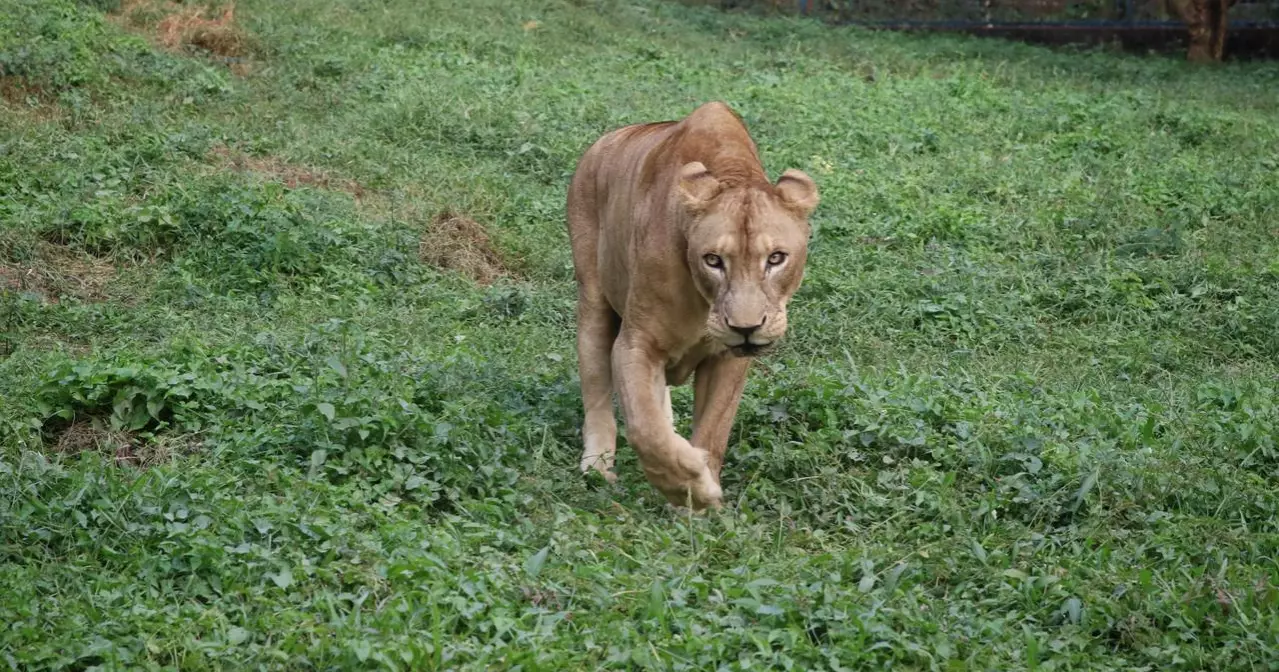
Animal Rights Day is observed annually in Bangladesh with calls for awareness, pledges of humanity, and discussions on animal protection. However, the reality on the ground seems to be in cruel contradiction with the day's message. For the wild animals held captive across the country in the name of 'conservation,' there is no place for liberty in their daily lives; there are only iron bars, concrete walls, and the eternal agony of captivity.
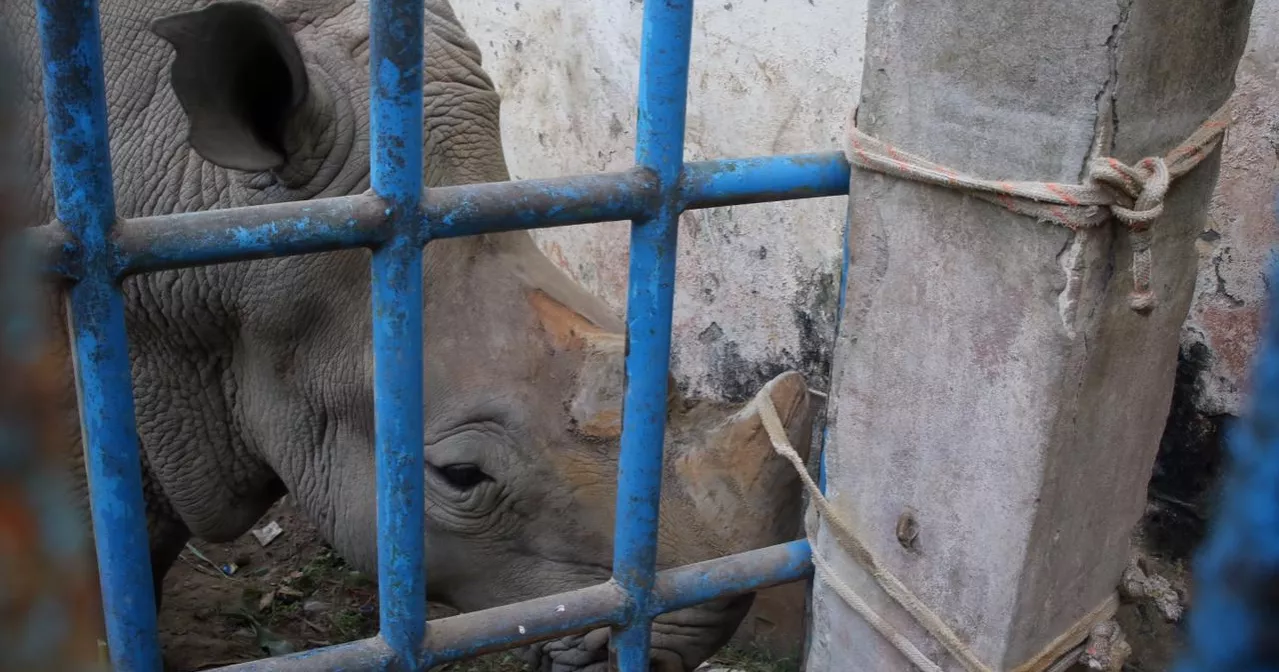
Photo: UNB/Tahiyat Nazifa Noor
No matter how significant the day is, or how humane the topic of discussion, the dishonorable reality remains the same. Wild animals are still held captive and put on display as tools of entertainment. Their natural habitat, normal behavior, and free movement—everything is confined and compressed within narrow cages where they survive, but do not truly live.
Read more: Lioness brought back to National Zoo cage after one hour of escape
The greatest truth of a wild animal's life is freedom—to run, to hunt, to escape, to engage in social behavior, and to connect with nature. Captivity in a cage shatters all these instincts. Excessive boredom, loneliness, and psychological breakdown are the constant companions of the imprisoned animal. Yet, we offer ourselves the solace that we are 'conserving' them.
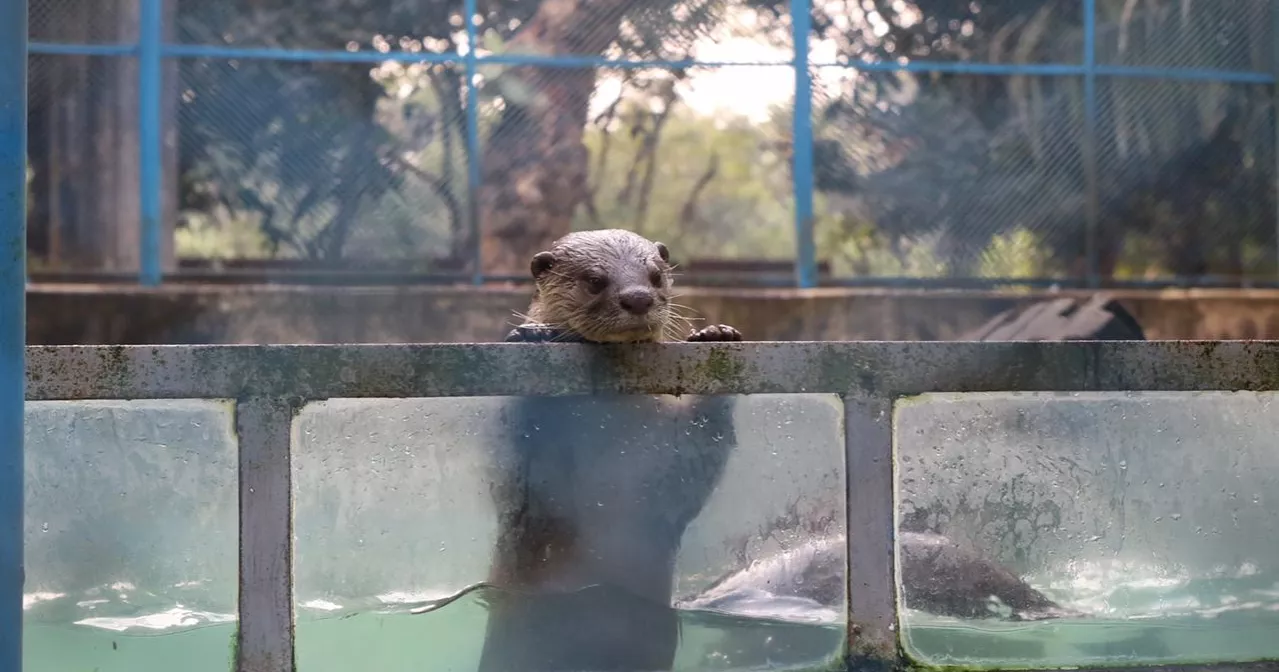
Photo: UNB/Tahiyat Nazifa Noor
Just a few days before Animal Rights Day, an incident occurred at the National Zoo that has intensified the entire discussion. A lioness named "Daisy" escaped from her enclosure. After roaming the zoo premises for several hours, she was once again subdued and captured with a tranquilizer dart.
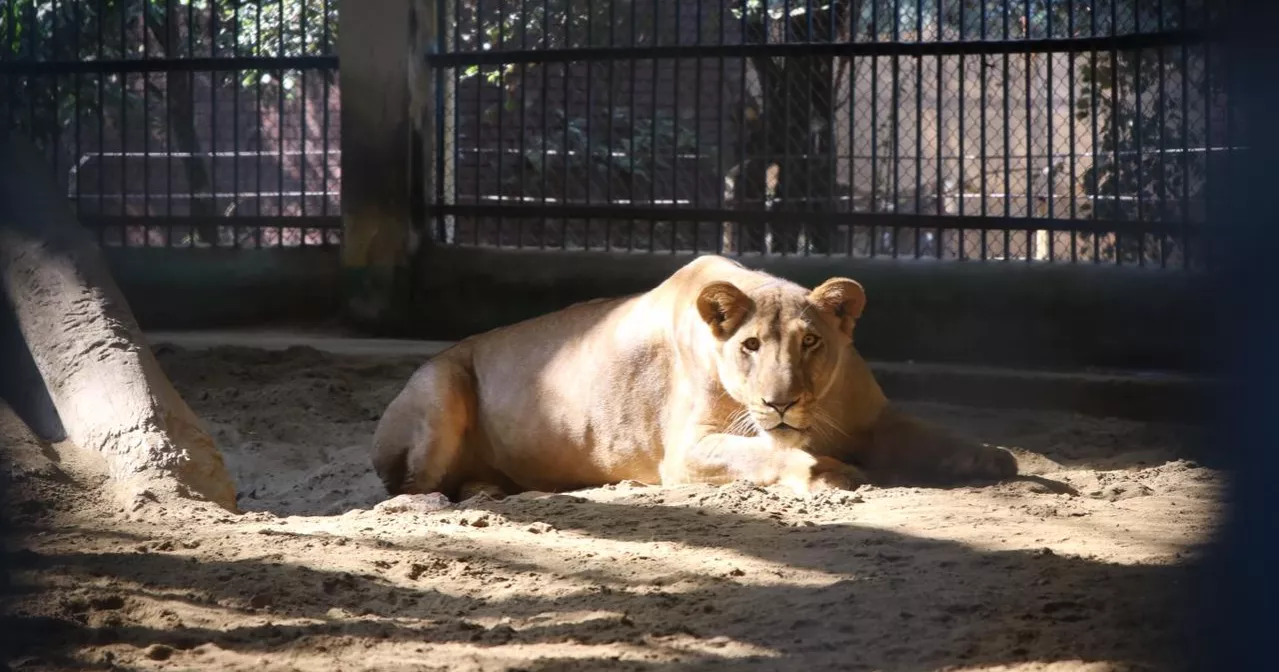
Photo: UNB/Tahiyat Nazifa Noor
This incident is not merely a security issue; it feels like nature's own protest. A protest against what? Against captivity. Daisy proved that powerful predators also refuse to remain caged. Freedom is not just their right, it is their very essence.
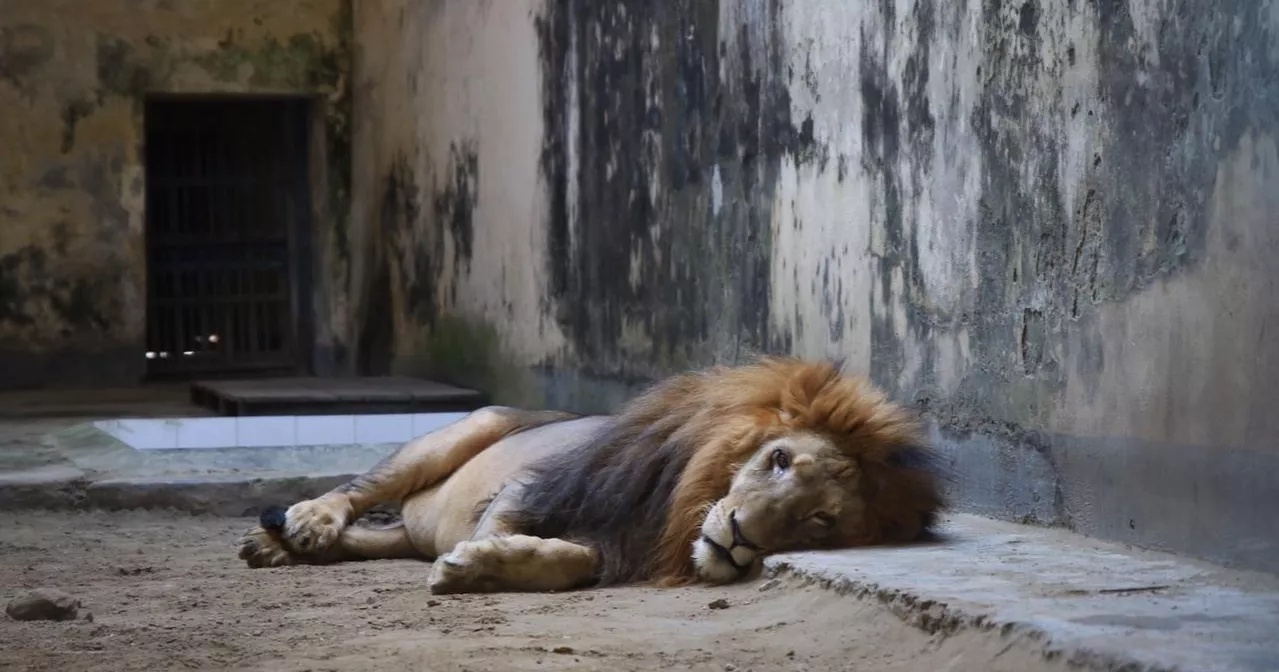
Photo: UNB/Tahiyat Nazifa Noor
Walls painted to look like rock, artificial ponds, and fixed routines can never be a substitute for the jungle. Yet, year after year, we keep wild animals confined in this façade of an environment, all the while telling ourselves we are 'conserving.' True conservation means protecting their natural habitat, rehabilitation, and reintroduction—but most zoos have not yet reached that stage.
Read more: Forest Department rescues 25 animals from Narail illegal zoo
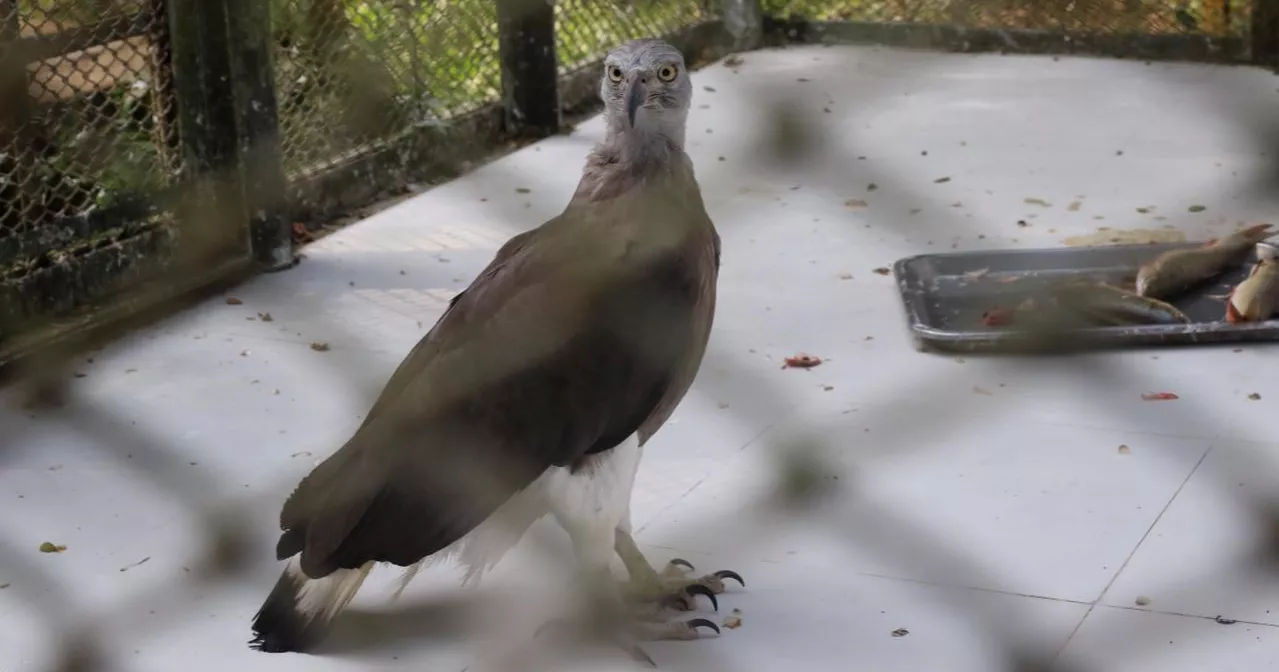
Photo: UNB/Tahiyat Nazifa Noor
The moment Daisy broke out of her cage poses a silent question: If conservation is truly the goal, then why are animals kept like prisoners? Why is their freedom snatched away to make them a backdrop for a visitor's photograph?
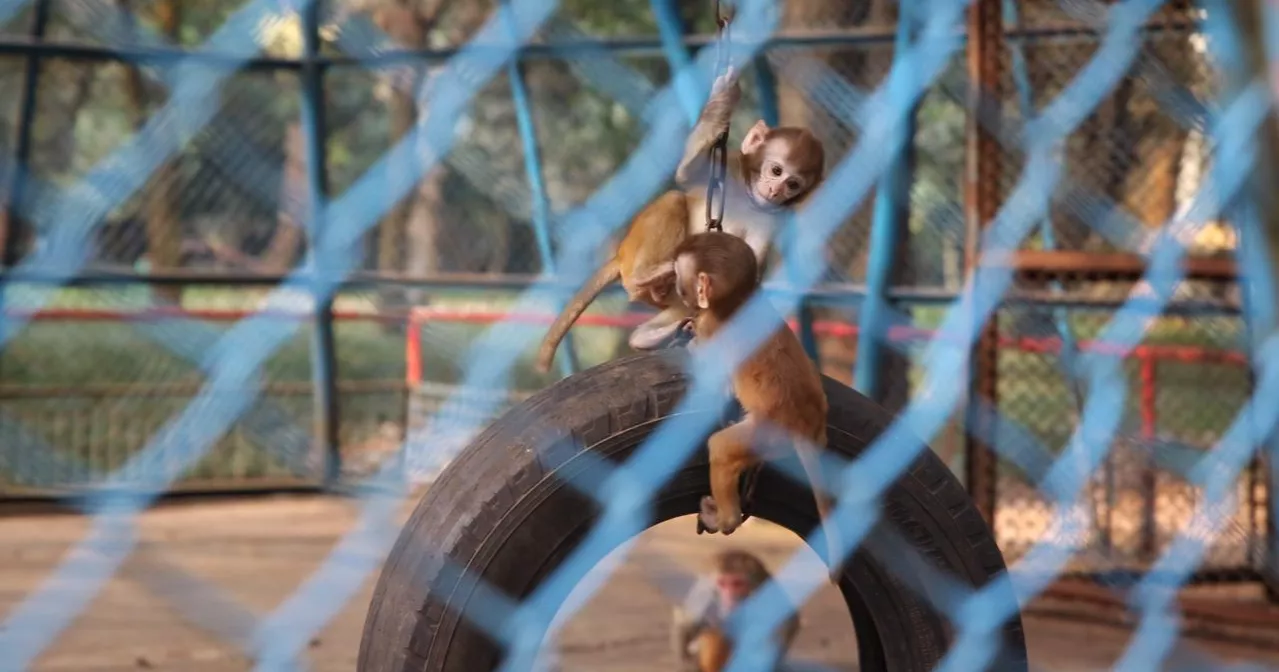
Photo: UNB/Tahiyat Nazifa Noor
Can humans truly snatch away freedom from the lives of other species for their own pleasure? Is keeping them captive in the name of civilization truly ethical? Do animal rights exist only on the pages of a book, or should they be reflected in our actions as well?
Read more: 56 migratory birds freed from poachers and released in Sylhet
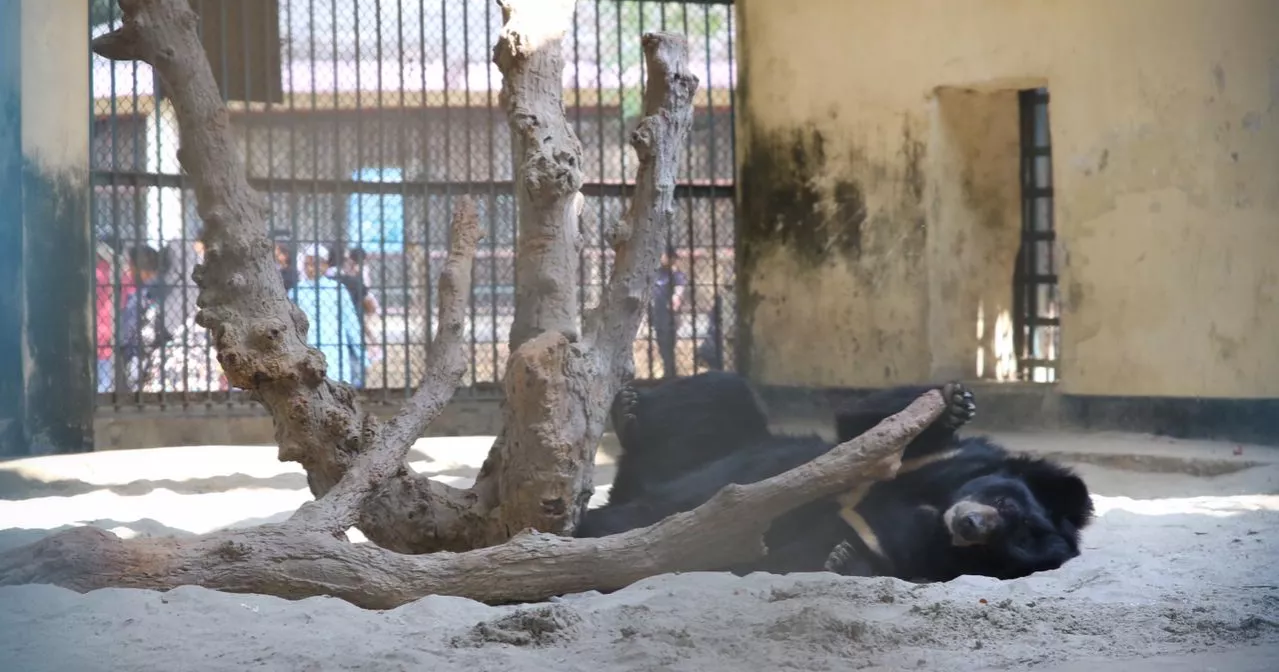
Photo: UNB/Tahiyat Nazifa Noor
Animal Rights Day and Daisy's escape collectively bring an uncomfortable reality to the forefront—we still do not see animals as beings with rights; we see them as items for exhibition.
No matter how polished this display of captivity may be, the same message is reflected every day in the eyes of the wild animals: Freedom is never found inside a cage.
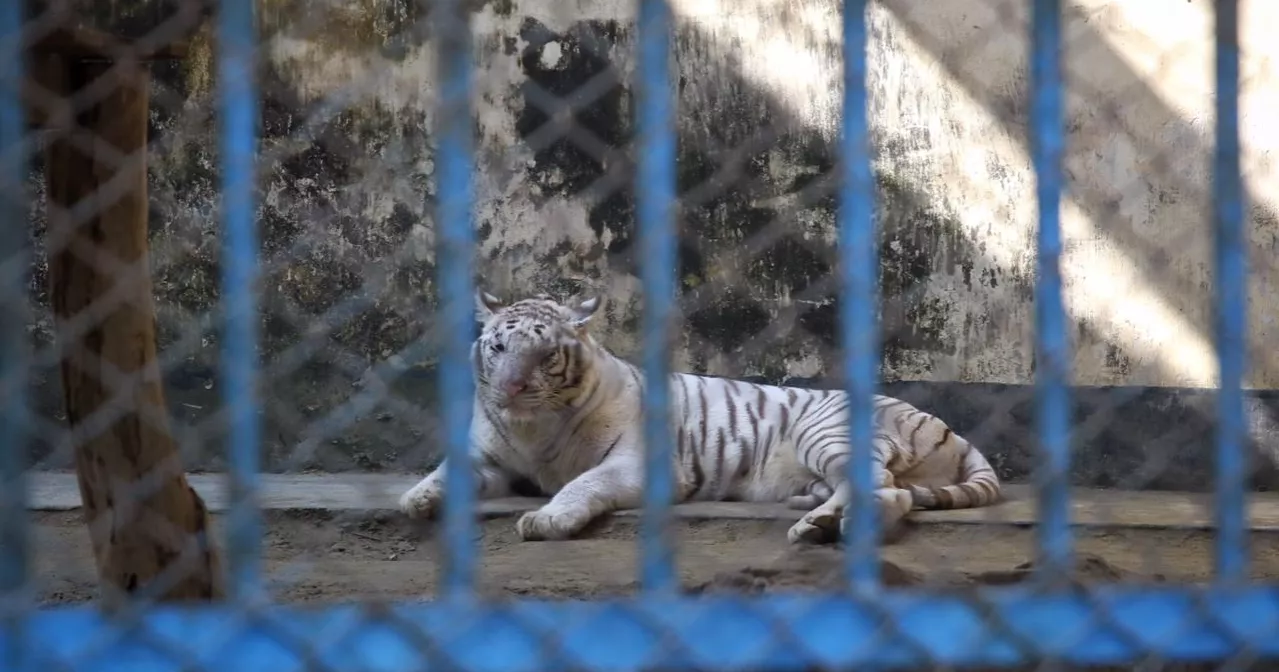
Photo: UNB/Tahiyat Nazifa Noor