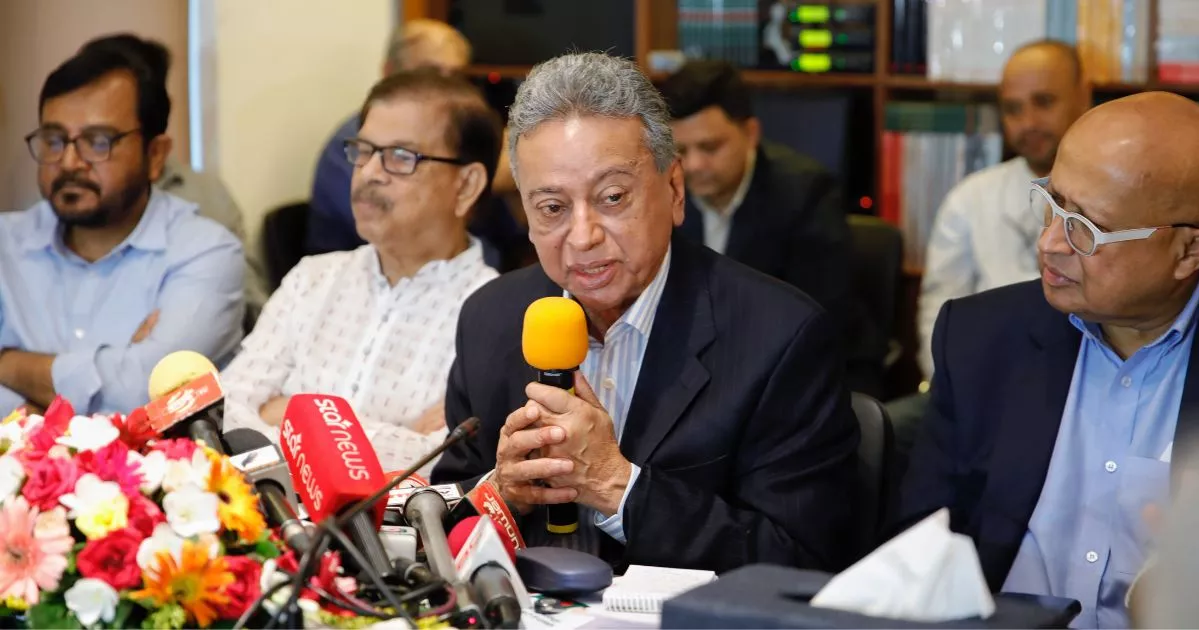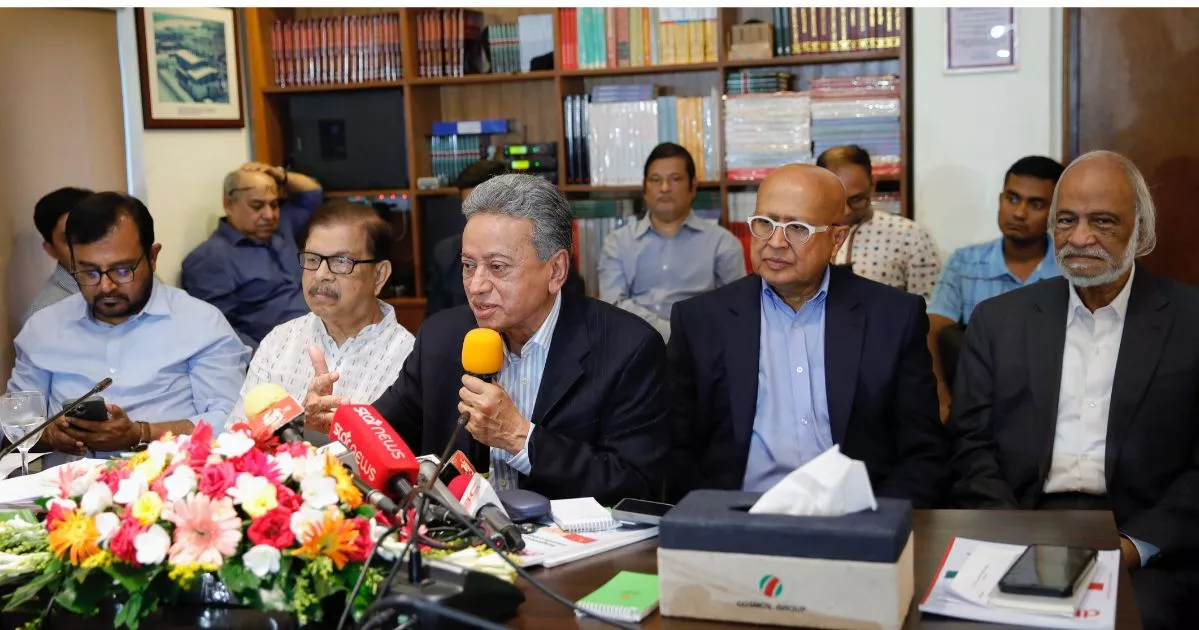
BNP senior leader Amir Khosru Mahmud Chowdhury on Saturday questioned who gave political parties the authority to decide on holding a referendum over introducing a proportional representation (PR) system in Bangladesh.
“Why should we go for a referendum on PR? First of all who has given us that responsibility? The people didn’t give us this responsibility,” he said while addressing a seminar.
The seminar, titled ‘Election 2026: A Critical Look at Proportional Representation’, was arranged by Cosmos Foundation, the philanthropic arm of Cosmos Group, at the Cosmos Centre in the capital’s Moghbazar area. United News of Bangladesh (UNB) was the media partner of the event.
UNB Editor-in-Chief Enayetullah Khan presided over the session.
Khosru, a BNP Standing Committee member, also said the country’s people not political parties, will on PR system through elections.
The BNP leader said every party has many issues where there is no consensus. “So, if you go for a referendum on each of them, you’ll end up doing referendums for the next two years.”
He said the current interim government in Bangladesh has been formed based on the constitution and it is also being run under the same constitutional framework.
“So, we want to restore democratic order and bring about any changes later, we must first hold an election under the current constitution and return to a democratic system,” the BNP leader observed.
Once a democratic system is restored in the country, Khosru said, discussions can take place inside and outside parliament on reform issues like the PR system. “You can’t have a meaningful public debate when you don’t have a democratic government in place,” he argued.
The BNP leader also said those who want PR should first earn people’s mandate.” No one has given 30 political parties the authority to decide the country’s future. It’s the people who will decide through elections.”
Moyeen Khan rejects proportional representation system
He also said it is unrealistic to expect all political parties to agree on every issue. “We’re not forming a one-party Baksal system. Differences in ideas and policies will always exist, and that’s the beauty of democracy. Each party should go to the people with its own vision.”