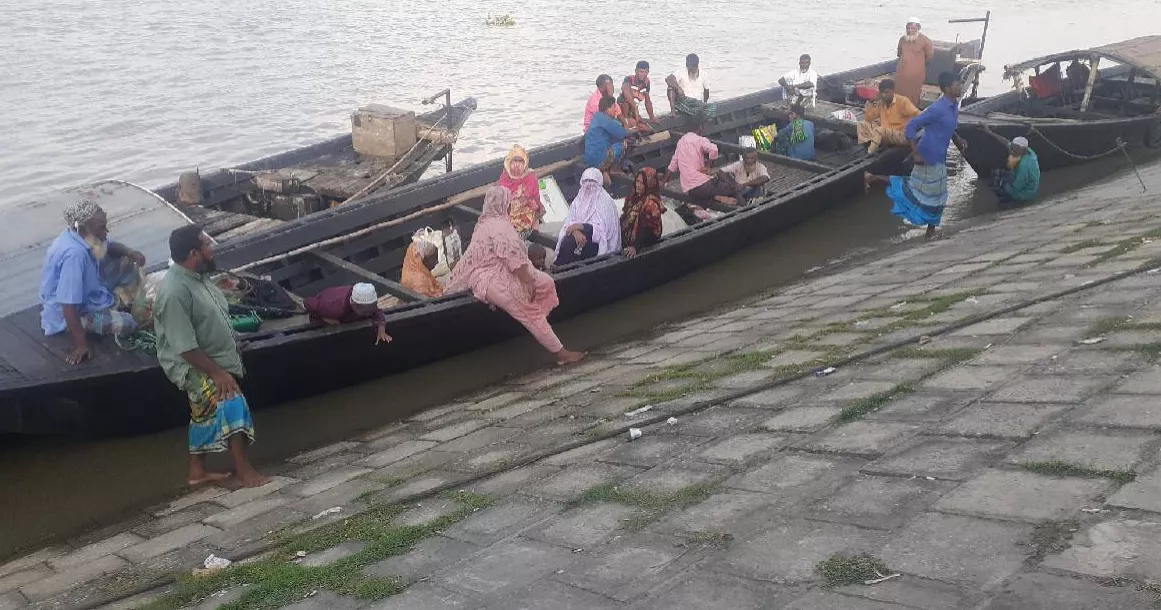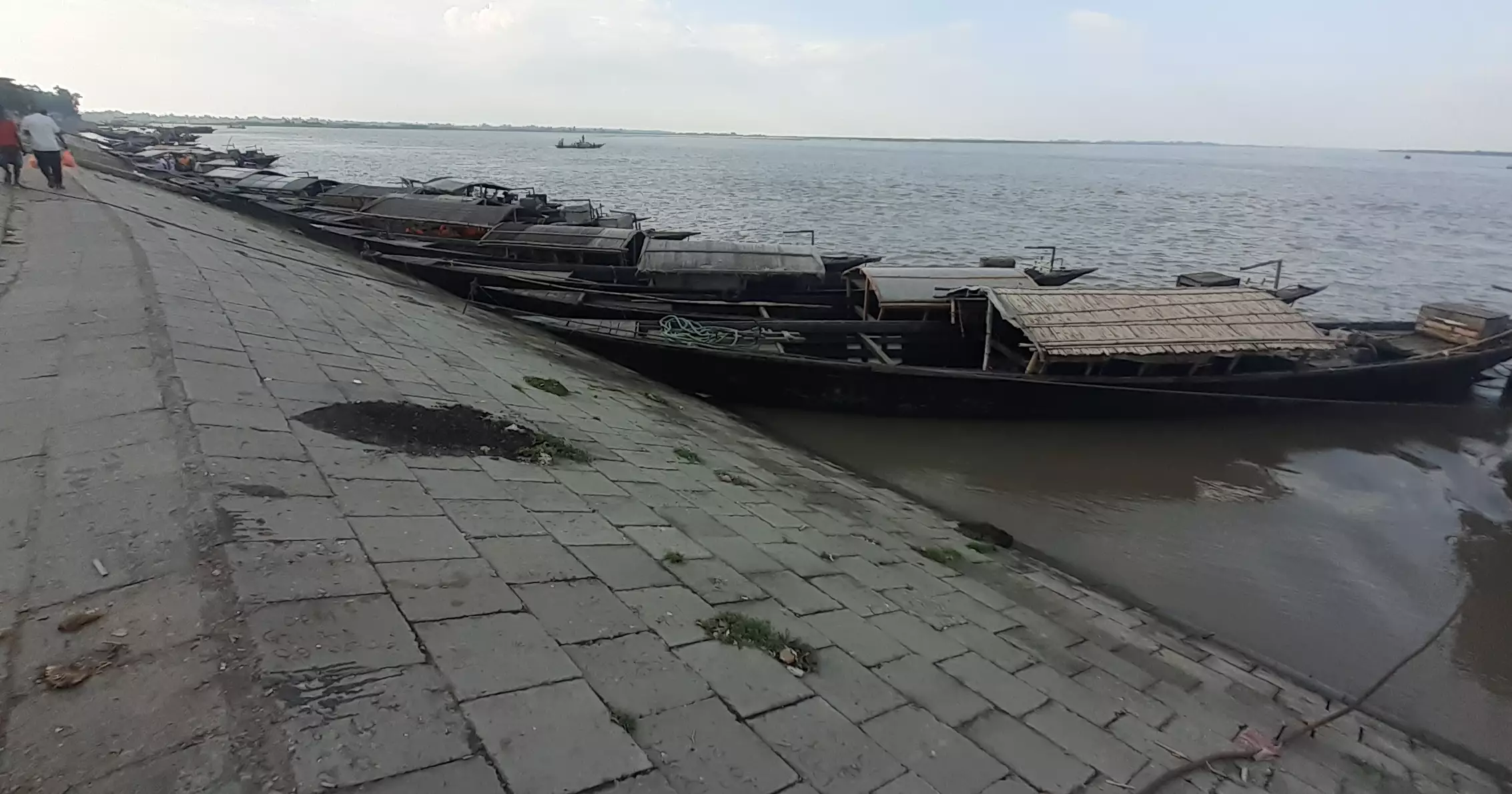
Set against the backdrop of three mighty rivers-- the Teesta, Jamuna and Brahmaputra-- Balashi Ghat in Gaibandha is fast becoming a popular destination for nature lovers and casual travellers alike.
Spanning a 64-kilometre embankment, the area holds immense potential to transform into a major open-air tourist hub, offering a unique blend of natural beauty and rustic tranquillity.
Stretching across four upazilas, the embankment’s long line of cement boulders glistens under the sun.
On one side lies the vast expanse of river and sandy char lands, while the other is adorned with lush green farmland and scattered rural settlements.
Though already frequented by local visitors, especially on weekends, the area still lacks basic amenities such as seating arrangements, which limits its full potential as a tourist destination.
The embankment, part of the Brahmaputra River bank protection project, is just 6 kilometres from Gaibandha district town.
From paradise to pollution: Cox’s Bazar tourists shocked by sewage in sea
Green grass has been planted along both sides of the dam, and infrastructure including a well-designed guest house, a truck terminal and other buildings have been developed at Balashi Ghat by BIWTA.
Professor Zahurul Kaiyum, a researcher of the Liberation War and a cultural activist, said, “The chars of Gaibandha and the newly built embankments around Balashi Ghat have immense tourism potential. From horse carts and country boats to river patrol police...everything adds to its rustic charm. On clear days, India’s Garo Hills are visible from here.”
The ghat is a hive of activity during monsoon when the riverbanks disappear beneath the rising waters. Boats ferry goods and passengers to destinations like Chilmari, Roumari, Rajibpur, Kurigram, Gangachara in Rangpur, Lalmonirhat, Sanandabari in Jamalpur, Islampur and Bahadurabad Ghat.
Gowainghat in Sylhet somehow missed out on the most basic fruit of development: paved roads