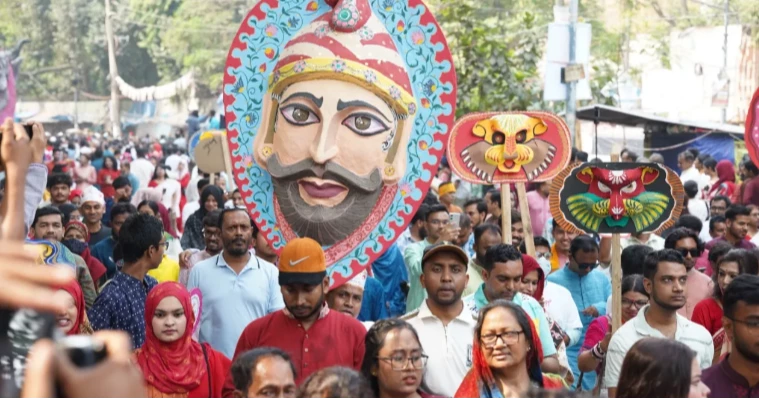
Every year, as the April sun climbs high over the delta, the very air in Bangladesh shifts. It isn't just the rising heat of the Boishakhi summer; it’s a palpable sense of a page turning. While the Gregorian calendar marks April 14th as just another date, for the nearly 170 million souls in this land, it is the rhythmic heartbeat of a new beginning.
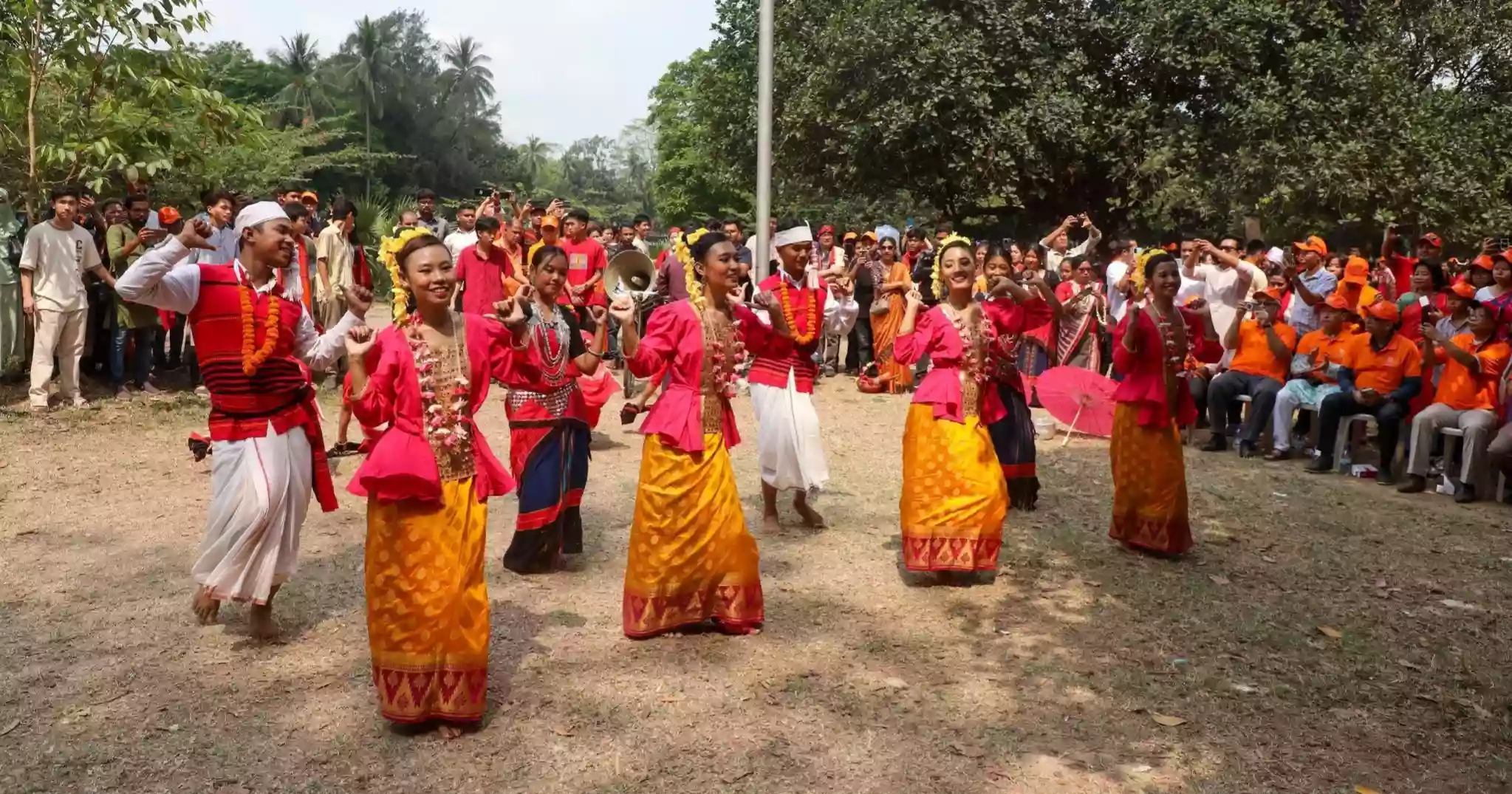
From the neon-lit avenues of Dhaka to the mist-shrouded ridges of the Chittagong Hill Tracts , the New Year arrives not as a single event, but as a symphony. While the majority celebrates Pohela Boishakh, the hills echo with seven other names: Boisuk, Sangrai, Biju, Changkran, Bishu, Sanglan, and Sangraing. Together, they form "Vaishabi," a celebration that proves unity doesn't require uniformity.
The Colors of the Hill: The Vaishabi Spirit
In the southeast, the New Year is deeply elemental a conversation with the earth, the water, and the ancestors.
Biju (Chakma)
The Chakma festival is a three-day journey of the soul.
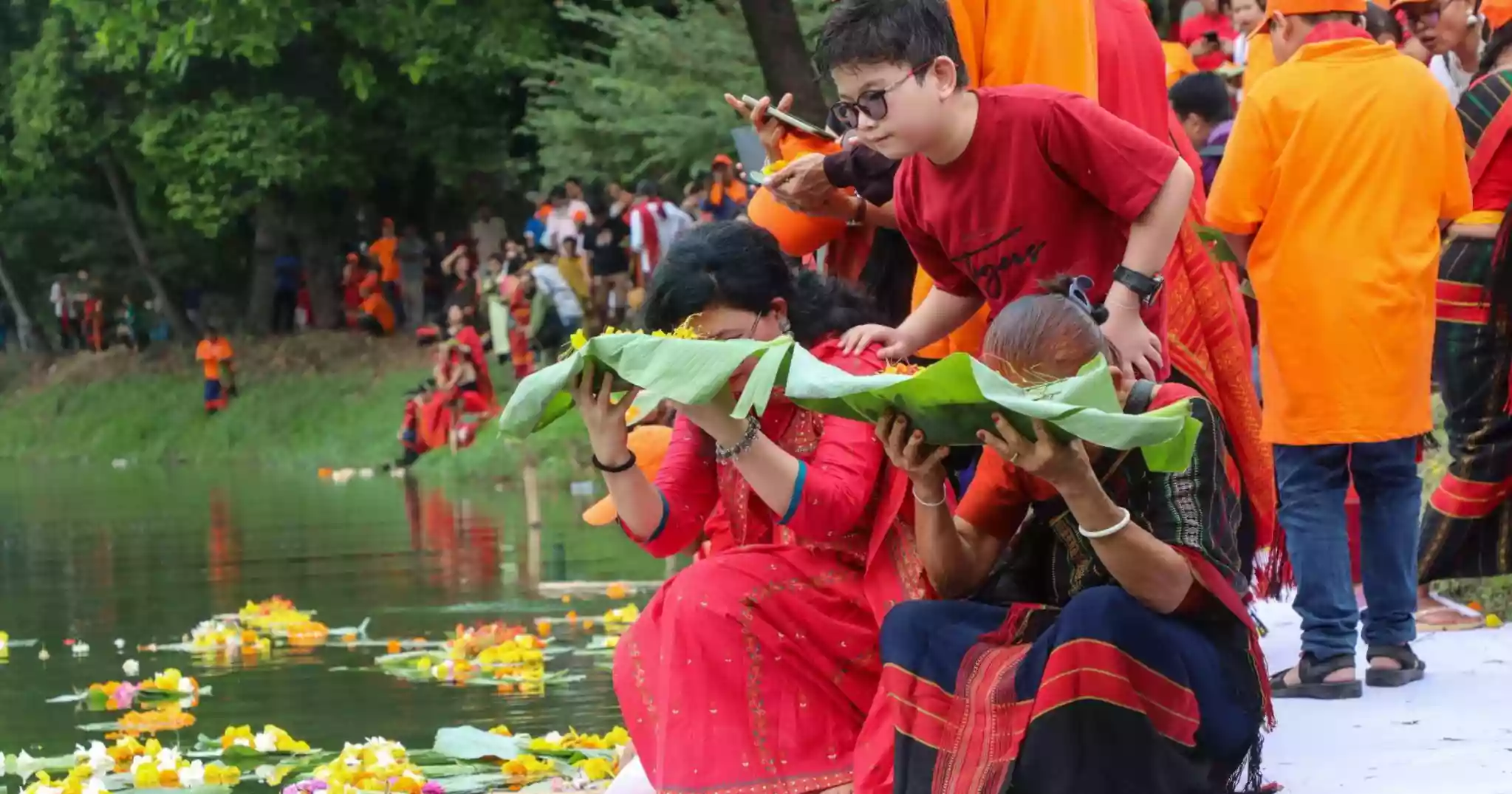
● The Flower Ritual: Today, April 13th, children wake at dawn to gather wild blooms. They float them on the rivers (Phul Biju) to let the water carry away the hardships of the past.
● The Legend of Pajon: You cannot understand Biju without tasting Pajon. This isn't just a meal; it’s a medicine. It is a complex vegetable stew simmered with a minimum of 20 to 40 types of wild herbs, bamboo shoots, and forest vegetables. It is a taste of the forest itself.