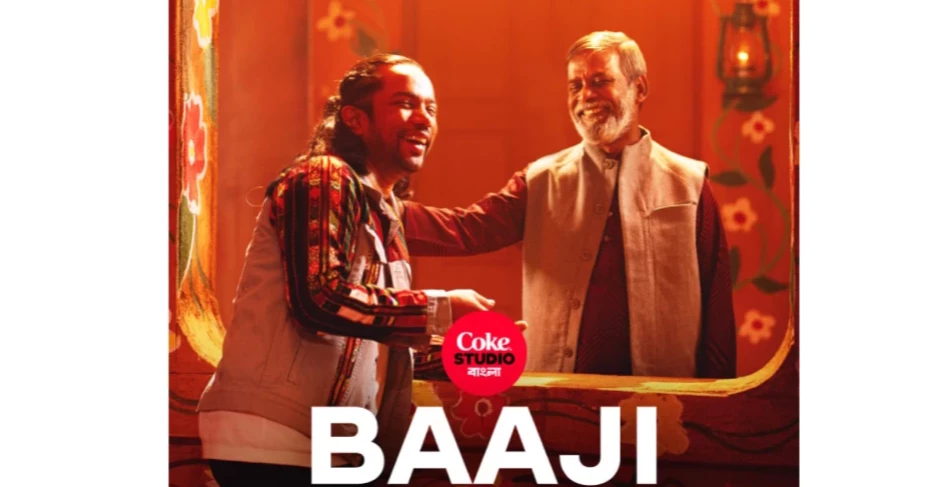
When the opening chords of ‘Baaji’ rolled out on Coke Studio Bangla’s Season 3, marking the return of the platform after more than a year - listeners expected another reimagined track that fused folk lyricism with modern instrumentation.
What they didn’t expect was a moment of quiet revelation - a glimpse of the poet himself, whose words had long travelled beyond him.
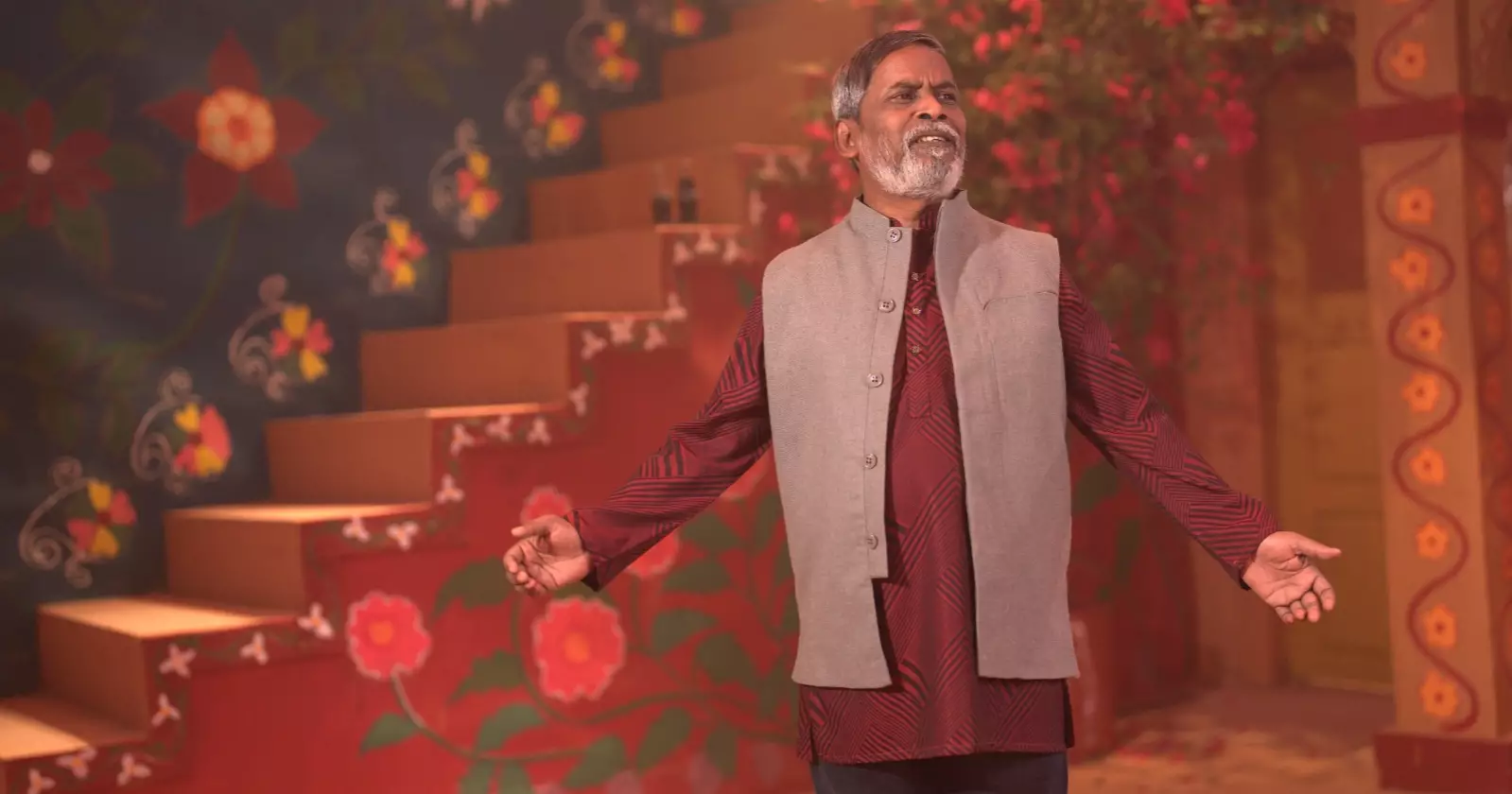
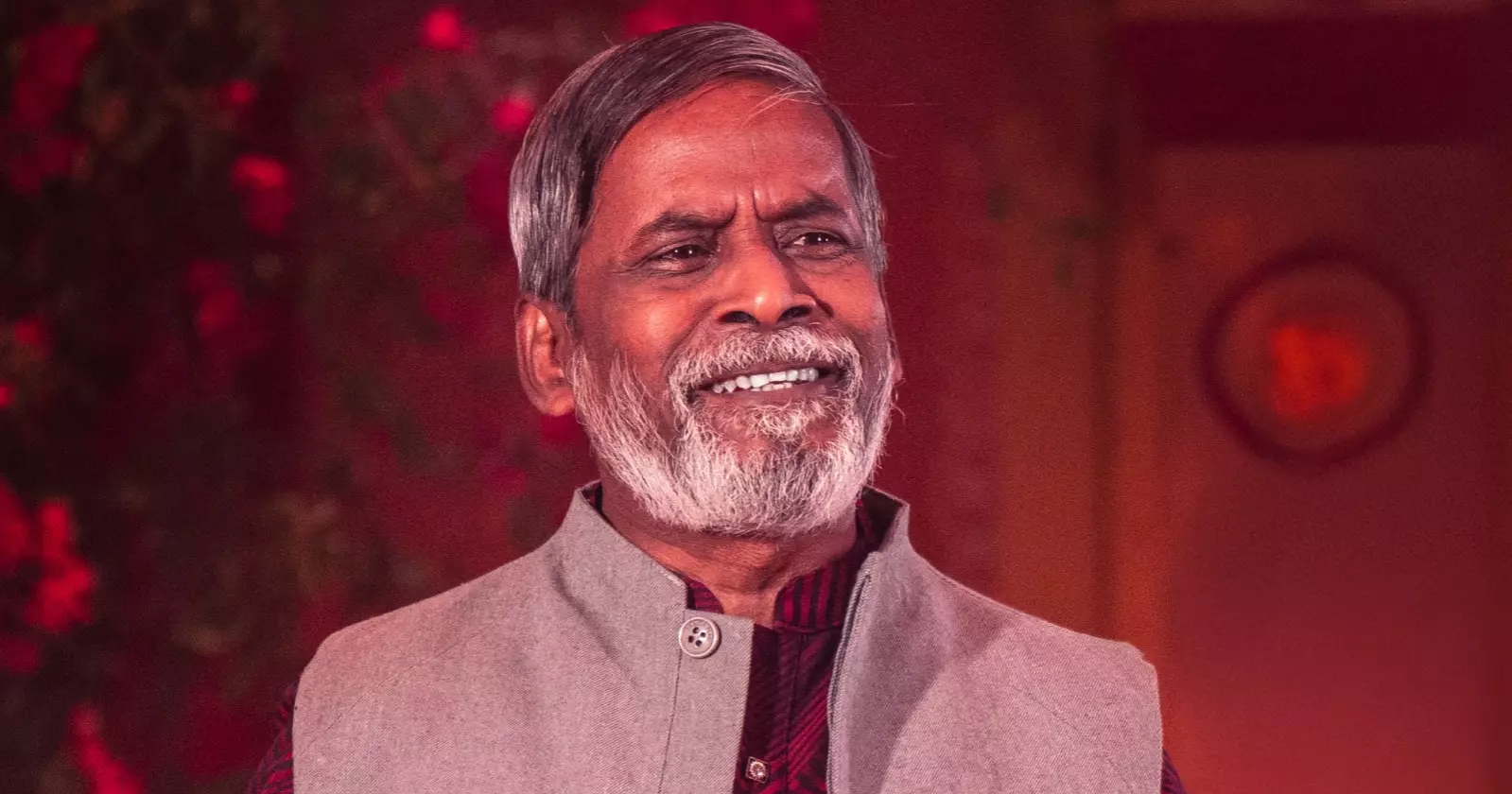
At the 4:12 mark of the song, the camera shifted, and there he was: Hashim Mahmud. Not just a name in the credits, not just a ghost behind beloved verses, but a living presence, lending his own fragile yet resonant voice.
Sometimes, a song finds its way into the world long before its singer does. It drifts across radios, lingers in conversations, seeps into crowded streets, carrying the echo of a name - and still unfortunately remains unknown to many.
For decades, that was the story of poet-lyricist-singer Hashim Mahmud. His words travelled far, his melodies endured, but the man himself seemed to slip quietly into the shadows.
For years, Mahmud’s poetry has coursed through Bangladesh’s cultural bloodstream. Around Dhaka University’s Faculty of Fine Art, popularly known as Charukala - and other places in the campus including the popular Chhobir Haat, he was once a familiar figure, scribbling in notebooks, crafting songs that married the rawness of folk with the grit of his urban bohemian life.
Speculations and curiosity around artist Hashim Mahmud began through the massively popular song ‘Sada Sada Kala Kala’ from Mejbaur Rahman Sumon’s 2022 film ‘Hawa’.
Hashim Mahmud’s long-time friend, teacher at the Faculty of Fine Arts and its current Dean, Professor Dr Azharul Islam Sheikh Chanchal, first published the now widely discussed song ‘Baaji’ on Facebook in 2019. It was recorded on mobile at the veranda of the Department of Ceramics, Faculty of Fine Arts, featuring his friend Hashim; and from that Facebook post, Hashim Mahmud once again gained recognition at home and abroad.
Peers call him a 'modern urban poet' and for good reason; his words bear an edge, transforming everyday speech into haunting lyricism. Songs like ‘Kotha Koiyo Na’ from Coke Studio Bangla’s second season and the crowd favourite ‘Sada Sada Kala Kala’ etched themselves into the memory of Bangladesh’s cultural circles.
Yet while his words resonated, the man himself receded into the margins. A cruel illness of forgetting began to erase what he had created.