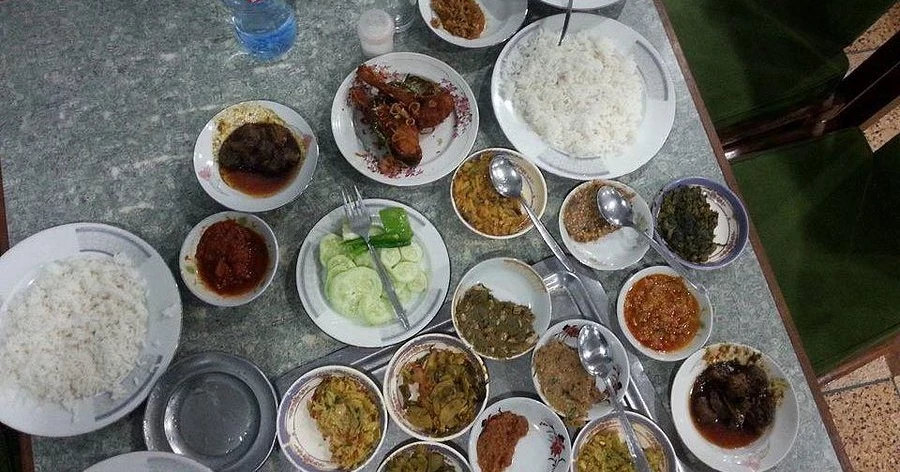
Bangladesh’s booming food industry, now estimated to be worth over Tk 10,000 crore, is expanding at an unprecedented pace across urban and semi-urban areas but experts warn that this growth is outpacing quality control and regulatory oversight, posing a serious public health risk.
From roadside carts to high-end restaurants, food businesses are mushrooming nationwide with minimal monitoring.
The absence of strict regulation, coupled with unsafe raw materials, is fueling concern among consumers and health specialists alike.
The Bangladesh Safe Food Authority (BFSA) found adulteration in 33.3 percent of food samples tested in the last fiscal year, highlighting a sharp rise in food contamination.
Data from BFSA shows that between January 1 and December 31, 2025, a total of 11,220 food samples were tested, with 4,653 samples, or 41.47 percent, deemed unsafe.
The rate of adulteration has climbed steadily over the past three years.
In 2022–23, 8.5 percent of samples were adulterated. This rose to 15.4 percent in 2023–24, before surging to 33.3 percent in 2024–25.
A 2021 BFSA survey revealed that around 40 percent of food items in Bangladesh were adulterated, with 60 percent of vegetables containing excessive pesticide residues and 67 percent of bottled soybean oil containing trans fats.
Food safety experts emphasise the urgent need for stronger enforcement, upgraded laboratory capacity and coordinated efforts to curb adulteration and protect public health.
Food Carts Everywhere, Oversight Nowhere
Street food and mobile eateries are now a ubiquitous feature in cities like Dhaka, Chattogram, and Gazipur, serving millions of daily consumers.
Most, however, operate without licences, hygiene certificates, or regular inspections.
“There is virtually no monitoring of how food is prepared, stored, or served in these carts,” said Sumon Dutta, a resident in Dhaka’s Baily Road area. “Consumers are exposed to unsafe cooking practices, contaminated water, and unhygienic handling.”
According to a recent Bangladesh Bureau of Statistics (BBS) survey, the number of food service establishments nearly doubled over the last decade, reaching 436,274 in 2021.
Of these, 344,687 are roadside tea stalls, 67,991 fast-food outlets, and 19,637 restaurants and mobile food vendors, employing over 2 million workers.
Professor Dr. Mohammad Shoeb, a BFSA member, stressed that food safety must be ensured at every stage—from production and supply to storage, distribution, and serving—as each step requires specific regulations to keep food safe.
BFSA has been working under the Safe Food Act, 2013, formulating regulations in line with international standards such as those of the Codex Alimentarius Commission, he said.
Draft Packaged Food Labelling Regulations, notified to the World Trade Organization (WTO) in August 2023, are being modernised, with front-of-pack labelling considered a tool to reduce non-communicable diseases.
Restaurants Operating Without Regulation
Many small and mid-sized restaurants operate without proper registration or compliance with safety standards.
Enforcement by BFSA is hampered by manpower shortages and overlapping responsibilities.
“A restaurant can open overnight without any prior inspection,” said a consumer rights activist.
“The system focuses more on occasional raids than continuous regulation.”
Outside Dhaka, only 65,000 establishments are registered with the Bangladesh Hotel Restaurant Owners Association, leaving the majority unmonitored.
Food prices push January inflation up to 8.58%: BBS
A 2018 BFSA survey found that only 4 out of every 100 restaurants met quality standards, with over half receiving poor ratings.
Chemical-Laced Raw Materials
Chemically treated raw materials—fruits ripened with harmful chemicals, vegetables grown with excessive pesticides, and adulterated spices—are widespread, making it nearly impossible to guarantee safe food.
Shahanuare Shaid Shahin, President of Bangladesh Agricultural Journalists Forum, described the overuse of pesticides, exceeding one billion kilograms over four decades, as a “public health disaster.”
Regulatory Challenges and Long-Term Planning
BFSA Chairman Zakaria said that of 1,713 food samples tested last year, 571 were adulterated or substandard.
He added that the authority cannot impose strong legal penalties without its own advanced laboratory, but once established, strict action against adulterators will be possible.
Food Secretary Md Firoz Sarkar emphasised that food safety is as critical as availability. Citing global data, he said one in ten people worldwide suffers from foodborne diseases, stressing that “everyone—from farmers to consumers—must be more aware.”