Americans continue to have a complex love-hate relationship with the iPhone, a device that has become deeply embedded in daily life while also raising concerns about overdependence.
For many users, the iPhone feels almost essential, offering instant access to a wide range of services. People use it to take and share photos on social media, play games, watch videos, listen to music, send messages, check emails, browse the internet, follow news updates, get navigation directions and even make digital payments. Making or receiving phone calls, however, has become just one of many uses.
At the same time, critics say the device often encourages excessive screen time. Constant notifications and alerts can pull users into endless scrolling, reducing attention spans and making it harder for people to disconnect.
The debate reflects a broader paradox in American life as smartphones, including those powered by Apple’s iOS and Google’s Android systems, have become almost unavoidable in modern society.
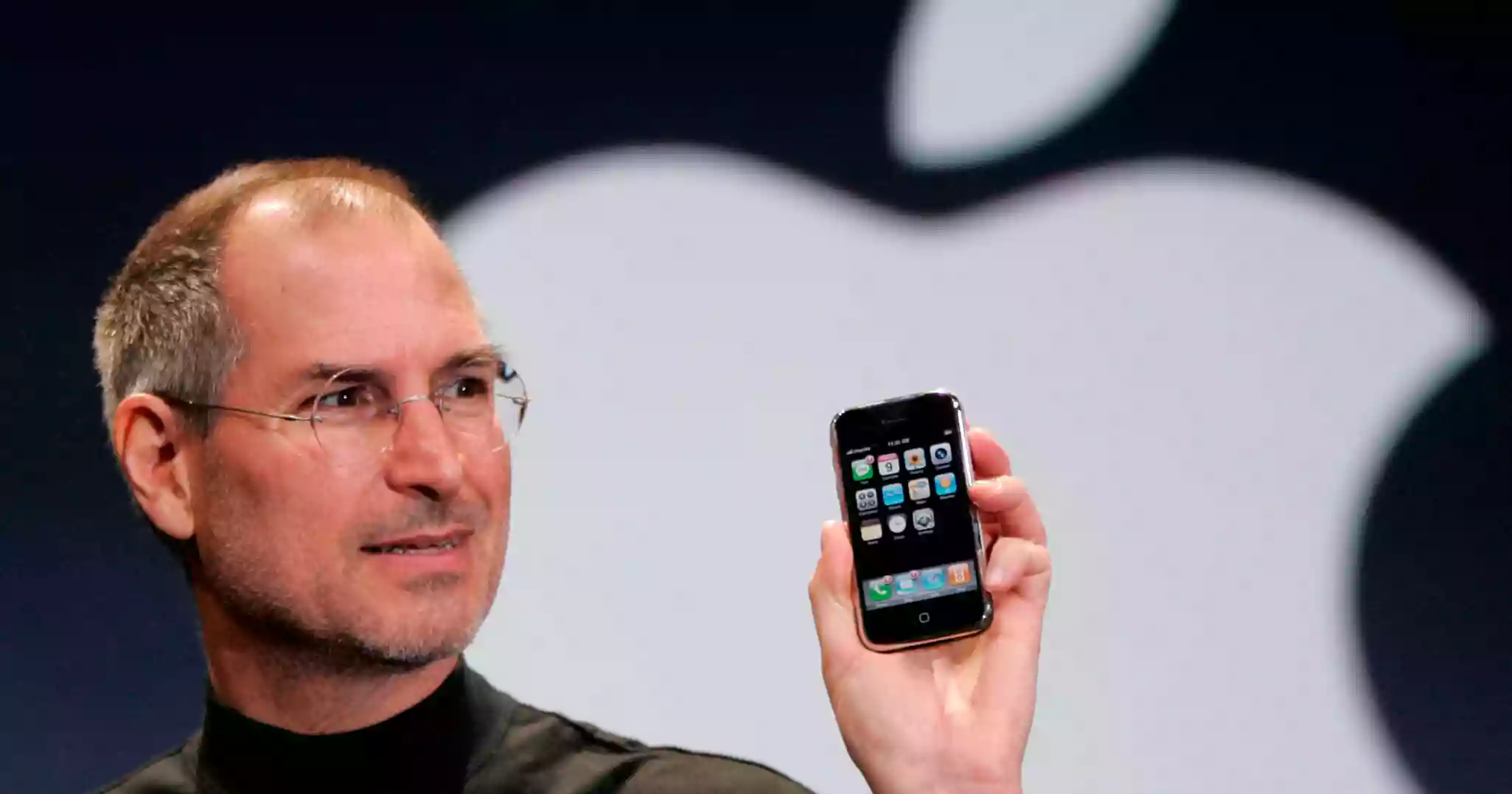
The iPhone was first introduced in 2007 by Apple co-founder Steve Jobs, who predicted it would transform everyday life. Since then, it has reshaped communication, entertainment and work habits in ways few could have fully anticipated.
Some surveys even suggest that many people would choose to sleep beside their phones rather than their partners if forced to decide, highlighting how deeply integrated the devices have become in personal routines.
Now, observers are questioning how society can balance the benefits of smartphones with their potential downsides, including whether their impact should be compared to addictive products such as cigarettes, alcohol or junk food.
For now, however, the trend appears to continue toward greater digital dependence, as daily life becomes increasingly centered around glowing screens.